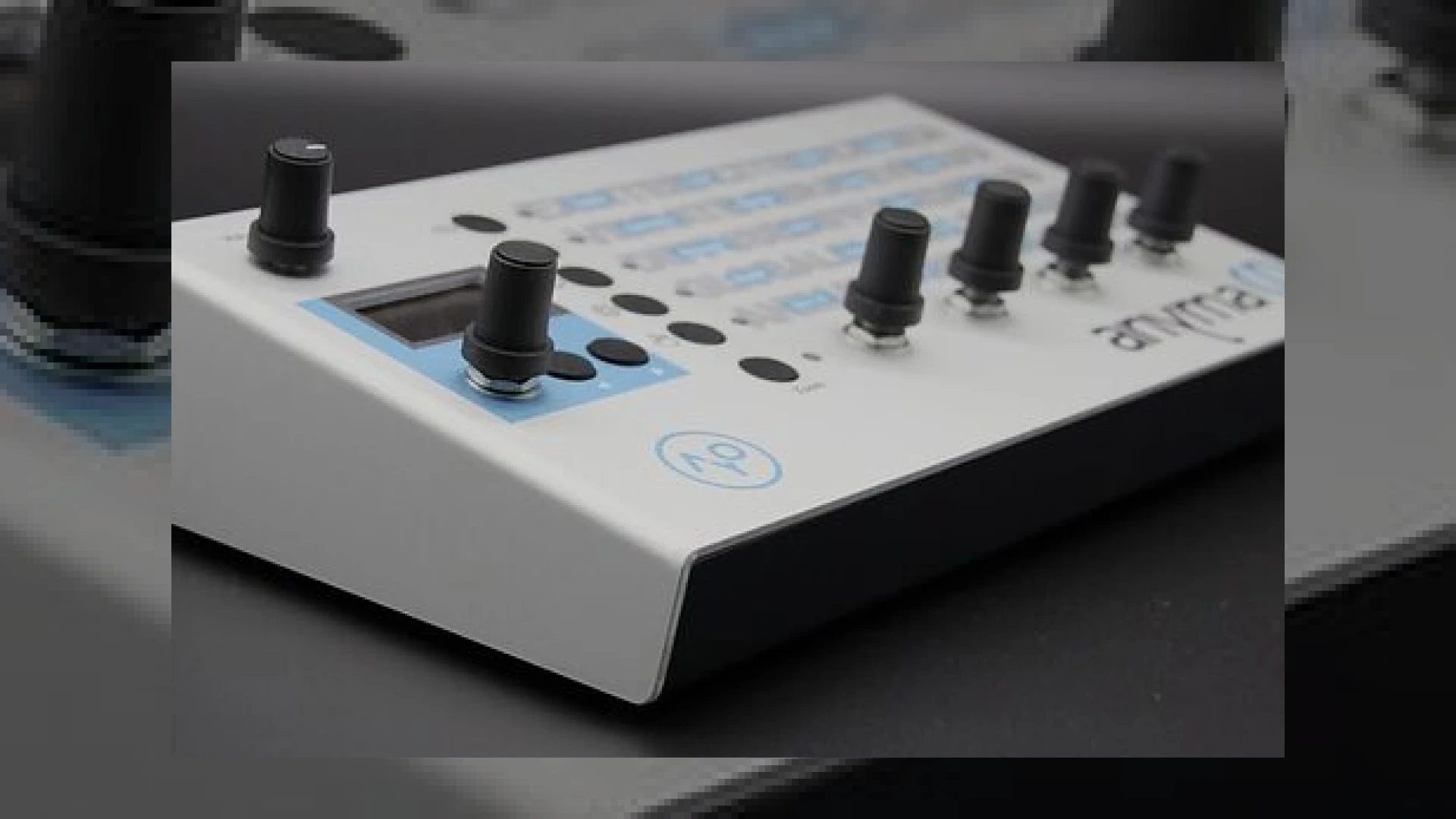
Visual context for Aodyo Anyma Phi.
At SM Mastering, we frequently encounter cutting-edge hardware that redefines how electronic and acoustic elements merge in a mix. When evaluating physical modeling synthesizers, maintaining clarity, dynamic range, and transient definition becomes paramount. In this deep dive, we examine how the aodyo anyma phi handles complex acoustic modeling and how mixing engineers can integrate it into a modern studio workflow.
Understanding the Sound Engine of the Aodyo Anyma Phi
The aodyo anyma phi is a semi-modular desktop sound module that brilliantly bridges the gap between traditional subtractive synthesis and advanced physical modeling. Instead of relying purely on static samples, the unit mathematically calculates the acoustic behavior of striking, plucking, or bowing materials like wood, glass, and metal. For mix engineers, this means dealing with organic transients that behave dynamically, reacting directly to velocity and expression data. When preparing a track for professional polish, utilizing tools like those found at SM Mastering Audio Articles can help you understand how to manage these wide dynamic ranges effectively before sending stems off for final mastering.
Beyond its physical modeling capabilities, the aodyo anyma phi features a robust three-oscillator subtractive synthesis engine equipped with flexible modulation slots, LFOs, and envelope generators. This dual-engine architecture allows producers to layer synthetic warmth underneath intensely realistic physical resonances. To tame harsh high-frequency transients generated by struck or bowed physical models, many engineers rely on dynamic EQ solutions similar to those featured in professional suites like iZotope to carve out space in a dense mix without sacrificing the instrument’s organic character.
Specifications Table
| Specification | Details |
|---|---|
| Name | Aodyo Anyma Phi |
| Use | Desktop Physical Modelling & Subtractive Synthesizer |
| Price | Affordable Desktop Synthesizer Tier |
| Rating | 4.5 / 5 (Expert Review) |
Practical Studio Workflow Tips for Mixing Physical Modeling
Integrating the aodyo Anyma Phi into your DAW session requires a thoughtful approach to gain staging and spatial processing. Because physical modeling modules generate complex harmonic structures that change over time, static EQ curves often fall short. Here are a few professional workflows to maximize its potential:
- Transient Management: Use a transparent transient shaper to tame initial pluck or strike attacks if they overwhelm your mix bus, or boost them gently to help the instrument cut through a heavy arrangement.
- External Processing Mode: Route vocals, drum loops, or synth leads into the unit to excite its physical modeling resonators, turning ordinary audio into evolving, metallic, or wooden textures.
- Automation Control: Assign macro knobs like Material, Geometry, and Resonate to your DAW’s automation lanes. Evolving these parameters over the course of a bridge or chorus adds organic movement that standard wavetable synths struggle to replicate.
- Stereo Placement: Balance the synthetic sub-bass elements in the center while utilizing mid-side EQ techniques to spread the complex high-frequency resonances of the physical models across the stereo field.
Conclusion
The aodyo anyma phi stands out as a remarkably versatile and inspiring tool for sound designers and electronic music producers alike. By marrying intuitive macro controls with complex mathematical acoustic modeling, it opens up a vast sonic palette that rewards careful mixing and creative processing. Whether you use it for pristine solo soundscapes or textured background layers, understanding its dynamic output will elevate your overall production quality.
Frequently Asked Questions
Can the Aodyo Anyma Phi process external audio signals?
Yes, the unit functions as an advanced effects processor. You can route external audio sources through its filter and modulation matrix, or use external transients to trigger its internal physical modeling resonators.
What makes physical modeling different from standard sample playback?
Physical modeling calculates the acoustic physics of an instrument in real time rather than playing back pre-recorded audio files. This results in continuous, highly responsive variations in timbre based on performance data like velocity and breath control.
How does the Anyma Phi handle MIDI and external expression?
The synthesizer responds comprehensively to standard MIDI input, velocity, pitch bend, breath control, and four additional assignable modulation sources, making it exceptionally expressive for live performance and detailed studio sequencing.
🛒 Official Product Info & Where to Buy
Check full technical specs, pricing, and purchase options directly from the official manufacturer or authorized dealer for Aodyo Anyma Phi.

Written by SM Mastering
Official content on sound engineering, mixing, mastering, and advanced electronic production by SM Mastering.