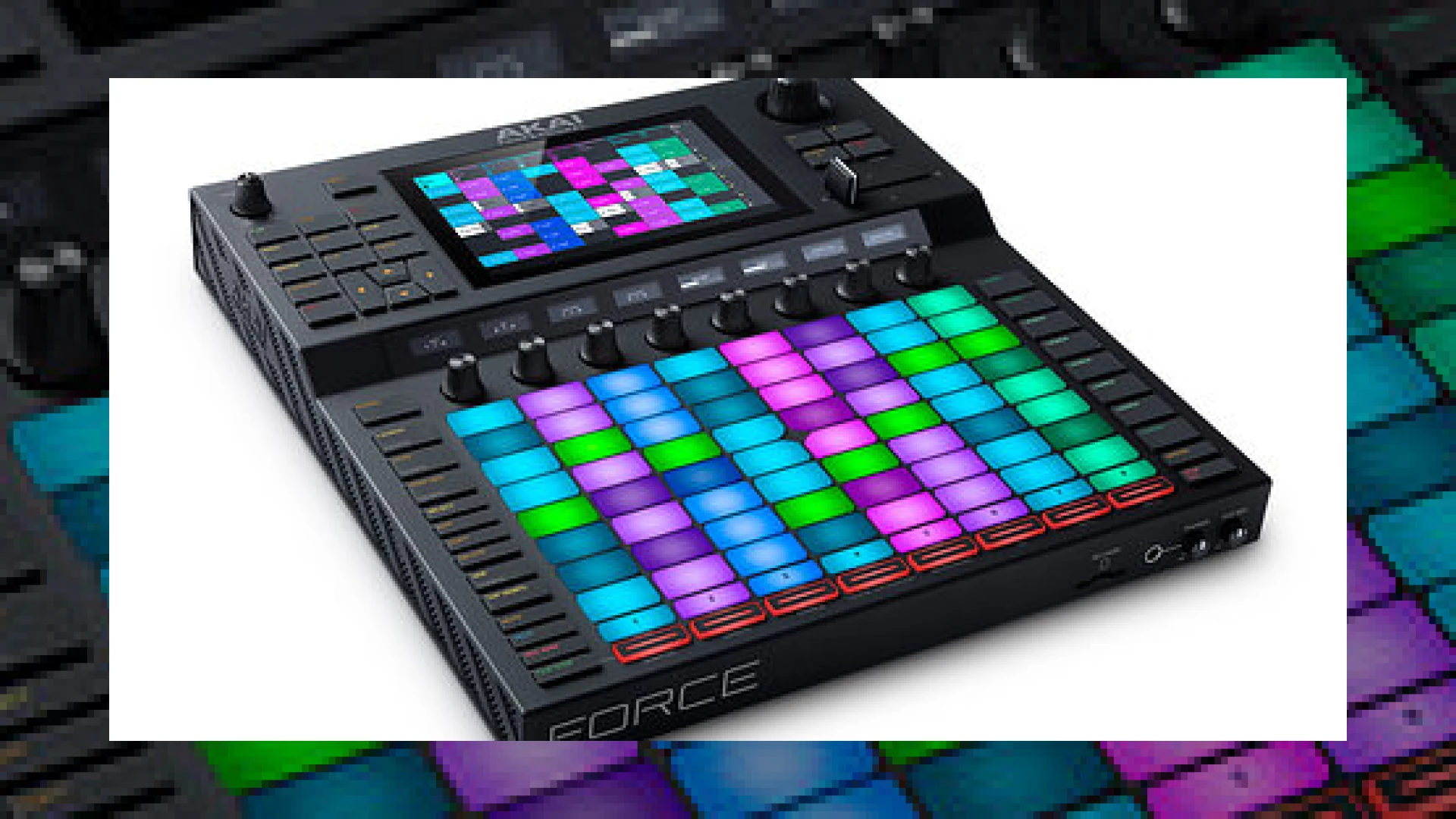
Visual context for Akai Force updated.
The landscape of standalone music production hardware has undergone a massive transformation over the past few years. When Akai Professional first introduced its flagship standalone workstation, it captured the imagination of live performers and studio producers alike. Now, with the latest firmware release, the Akai Force updated platform has officially evolved from a simple clip-launching grid into a fully fledged, end-to-end production environment. By addressing the critical feature requests of its dedicated community, Akai has bridged the gap between tactile hardware control and traditional DAW workflows.
Unlocking Creative Potential with the Akai Force updated Firmware
The headline feature of this new update is undoubtedly the long-awaited linear Arranger Mode. Many producers who felt constrained by the clip-launching matrix will find that the Akai Force updated system unlocks true linear arranging, allowing you to record, edit, and sequence entire songs without ever touching a computer. You can now arrange your clips into distinct song sections, record real-time automation, and paint a cohesive musical picture. For mastering engineers looking to capture the raw energy of a live hardware performance, this structured arrangement capability is a game-changer. This matches the flexible workflows often found in modern software hosts like Ableton Live, bringing that fluid experience directly into the hardware domain.
Beyond arrangement, connectivity and control have received a massive boost. When looking at how the Akai Force updated hardware performs in a hybrid studio, the expansion of USB MIDI capabilities is a major factor. The system can now address up to 32 MIDI channels simultaneously via USB, enabling it to act as the primary brain of a massive synthesiser rig. By plugging in class-compliant USB MIDI hubs, routing multi-timbral instruments becomes an absolute breeze, making integration with analog outboard gear smoother than ever.
Hardware Specifications Overview
| Name | Use | Price | Rating |
|---|---|---|---|
| Akai Force | Standalone Music Production Workstation & Live Performance Instrument | $999 USD (approximate retail) | 4.8 / 5.0 stars |
Practical Studio Workflow Tips for the Modern Producer
- Utilize Multitrack Exporting: To get the most out of your Akai Force updated setup, we recommend utilizing the multitrack export features. Rather than simply bouncing down a stereo master, exporting individual audio stems allows you to perform surgical equalization and deep-level dynamic processing in your dedicated mixing or mastering environment.
- Print Your Synths: At SM Mastering, we often suggest that hybrid producers print their external analog synthesizers back into the Force as audio tracks before final export to preserve perfect phase alignment.
- Create Dynamic Live Sets: Combine the Arranger mode with manual clip-launching to keep your live performances structured yet spontaneous.
For more optimization guides and technical deep-dives into modern hardware gear, feel free to explore our collection of SM Mastering Audio Articles.
Conclusion
Ultimately, having an Akai Force updated with firmware v3.05 makes it a highly competent standalone mastering and production hub. By resolving the lack of a linear timeline and enhancing external hardware routing, Akai has solidified the Force as one of the most powerful standalone instruments on the market. Whether you are building beats from scratch, sequencing external analog synthesizers, or preparing a live set, this updated machine provides all the tools required to deliver professional-grade results.
Frequently Asked Questions
What is the main feature of the Akai Force v3.05 update?
The main feature is the addition of the linear Arranger Mode, which allows users to record their live performances, structure full songs with distinct sections, and edit linear automation directly on the hardware without a computer.
Can I export multitrack audio from the Akai Force for professional mastering?
Yes. Once your arrangement is complete, you can export the project either as a stereo master incorporating onboard effects, or as individual multitrack audio stems for further mixing and mastering.
Does the Akai Force support external USB MIDI controllers?
Yes. The v3.05 update enhances MIDI functionality, allowing you to connect class-compliant USB MIDI controllers and hubs to address up to 32 MIDI channels simultaneously.
🛒 Official Product Info & Where to Buy
Check full technical specs, pricing, and purchase options directly from the official manufacturer or authorized dealer for Akai Force updated.

Written by SM Mastering
Official content on sound engineering, mixing, mastering, and advanced electronic production by SM Mastering.