Visual context for Arturia Fragments granular processor unveiled.
When modern sound designers and mixing engineers look for ways to inject unpredictability and texture into a static mix, granular synthesis is often the go-to tool. That is precisely why the industry buzzed when **arturia fragments granular processor unveiled** a completely new approach to time-stretching, glitching, and spatial manipulation. At SM Mastering Audio Articles, we put this plug-in through rigorous testing in our signal chain to see how it holds up against heavy-hitting spatial processors from brands like Eventide.
## Architectural Breakdown of Efx Fragments
The inner workings of this processor rely heavily on real-time audio slicing. When the news about **arturia fragments granular processor unveiled** hit the web, producers immediately wanted to know how the buffer and grain capture modules operate. Audio is captured into a live buffer where you can manipulate grain length, feedback amounts, and freeze states.
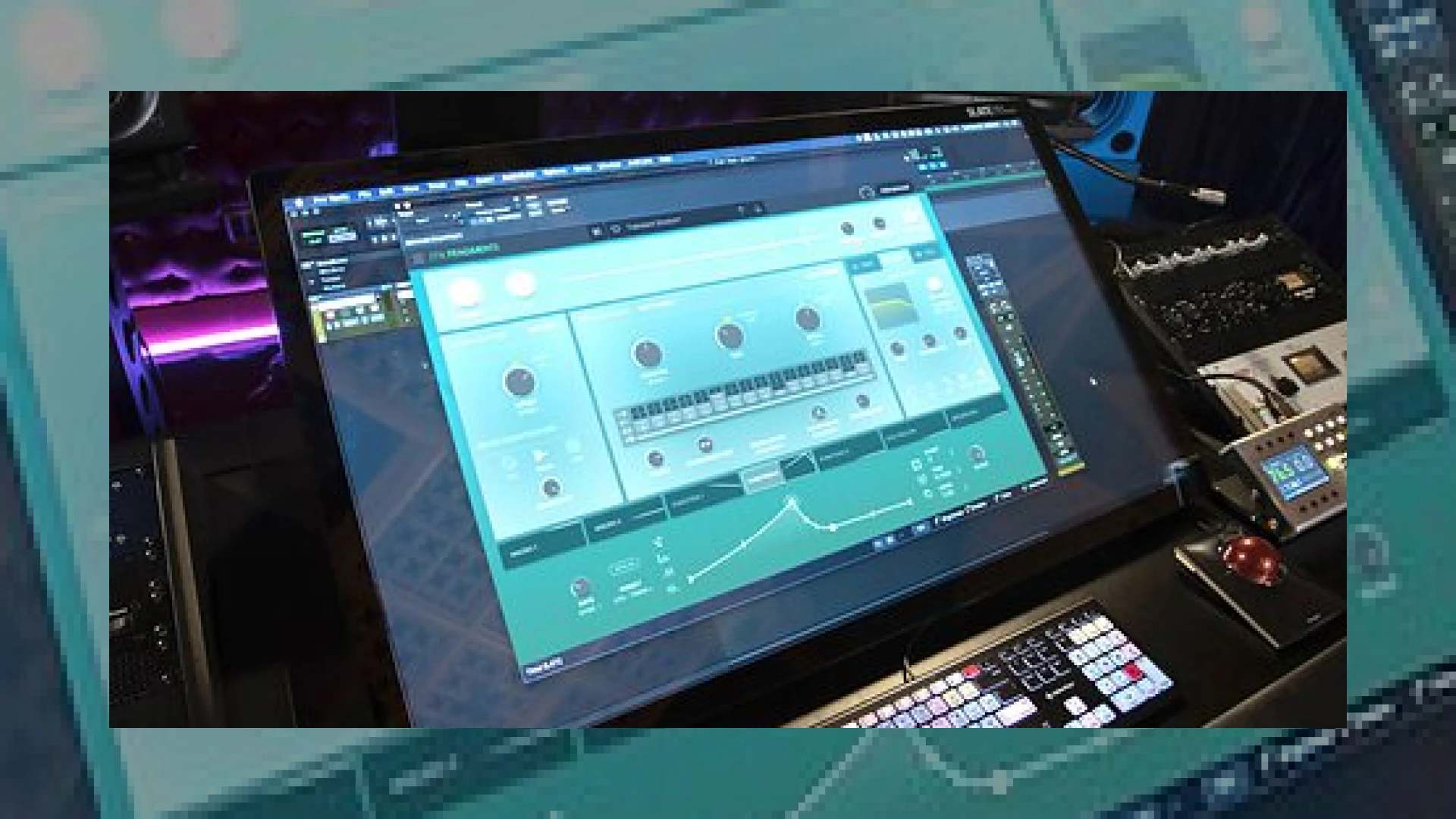
Following the buffer, the signal passes through the grain engine, allowing for intricate control over playback speed, transient shaping, and quantisation. To truly understand the potential of **arturia fragments granular processor unveiled**, one must look closely at the interactive 3D visualiser. This real-time graphic representation provides invaluable visual feedback while you mangle, reverse, and reorder audio segments into entirely unrecognizable soundscapes.
| Specification | Detail |
| :— | :— |
| **Name** | Arturia Efx Fragments |
| **Use** | Granular Processing, Glitching, and Texture Creation |
| **Price** | Standard manufacturer retail pricing (frequent intro sales) |
| **Rating** | 4.8 / 5 |
## Advanced Sound Design and Modulation
Beyond basic granular manipulation, the plug-in features a dedicated Pan & FX module alongside an extensive Advanced Controls pane. When discussing how **arturia fragments granular processor unveiled** a new standard for modulation, engineers often highlight the inclusion of customizable step sequencers and responsive envelope followers. You can route modulation sources to almost any parameter, transforming a simple vocal chop or synth pad into a living, breathing rhythmic ecosystem.
## Practical Studio Workflow Tips
* **Subtle Textures:** Use longer grain sizes with low density on backing vocals to add width and a shimmering, ethereal tail without overwhelming the main mix bus.
* **Glitchy Transitions:** Automate the freeze parameter right before a chorus drop to capture and stutter audio dynamically, creating natural-sounding modern risers.
* **Rhythmic Movement:** Pair the internal step sequencer with filter cutoffs in the FX slots to inject rhythmic pulsing into otherwise static pad chords.
## Conclusion
Ultimately, the excitement surrounding **arturia fragments granular processor unveiled** is entirely justified. It bridges the gap between experimental sound art and practical, mix-ready production tools. Whether you are scoring films, producing electronic music, or adding ear candy to a pop mix, this processor offers limitless creative potential.
## Frequently Asked Questions
### Can I use Arturia Efx Fragments live on stage?
Yes, thanks to its low-latency processing and MIDI-mappable parameters, it performs exceptionally well in live performance rigs and interactive audio setups.
### Does the plug-in support polyphonic MIDI input?
While it primarily functions as an audio effect processor, it includes robust modulation routing and sequencing that can be triggered and synced tightly to your DAW’s master tempo.
### How does it compare to traditional delay or reverb effects?
Unlike standard spatial effects that simply repeat or diffuse a signal, a granular processor actively chops, rearranges, and re-pitches the audio grains to generate entirely new textures from the source material.
🛒 Official Product Info & Where to Buy
Check full technical specs, pricing, and purchase options directly from the official manufacturer or authorized dealer for Arturia Fragments granular processor unveiled.

Written by SM Mastering
Official content on sound engineering, mixing, mastering, and advanced electronic production by SM Mastering.