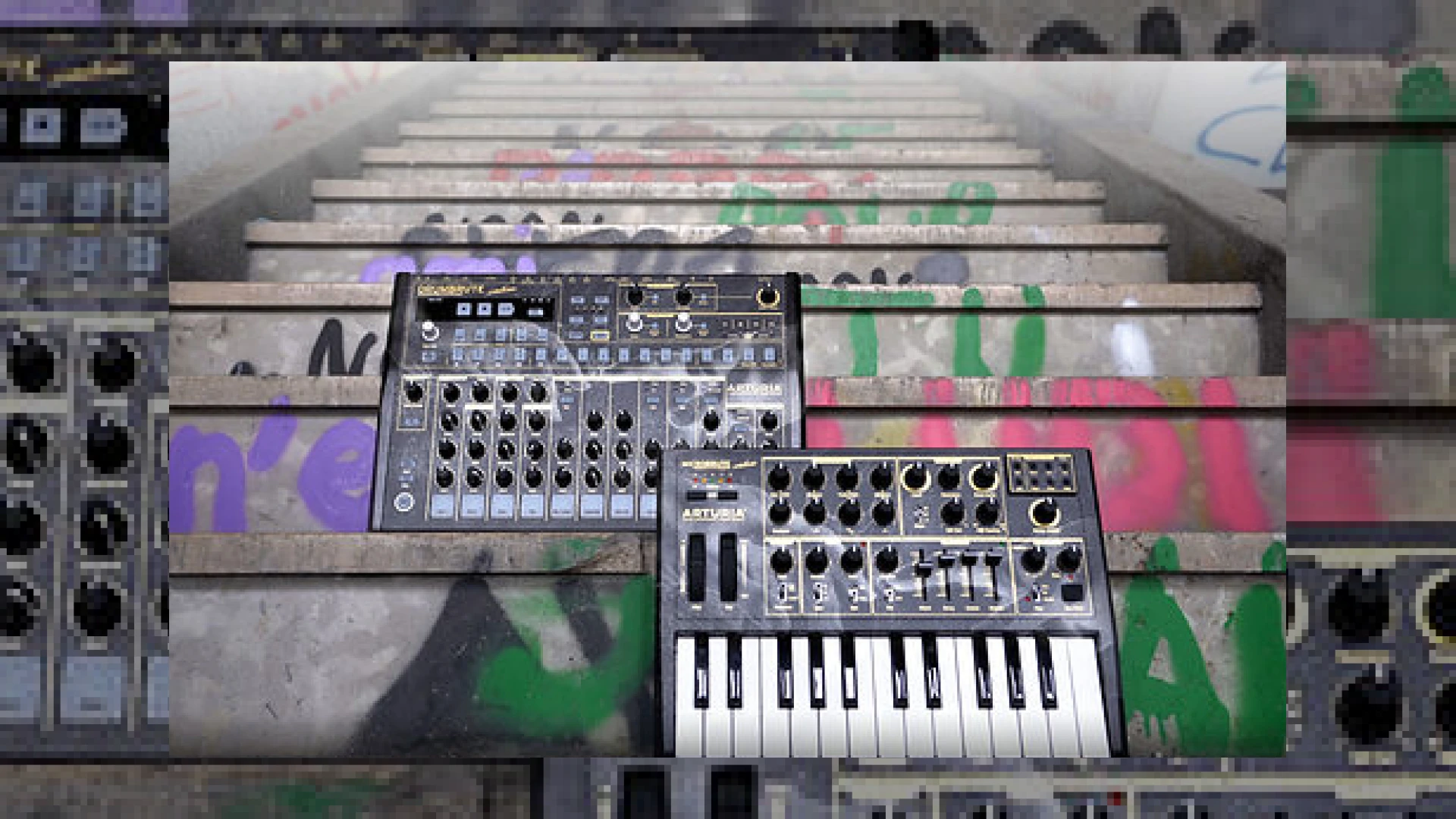
Visual context for Arturia launch 'Creation Edition’ DrumBrute and MicroBrute.
As analogue synthesis and tactile hardware integration continue to dominate modern electronic music production, the recent arturia launch ‘creation edition’ drumbrute and microbrute has captured the attention of both bedroom producers and professional mastering engineers. From our perspective at SM Mastering, the quality of your raw sound sources dictates the headroom and harmonic richness of your final master. Limited edition hardware runs like this do not just offer aesthetic pleasure; they invite a renewed focus on performance-oriented, fully analogue workflows that print beautifully to stereo tracks.
Analyzing the arturia launch ‘creation edition’ drumbrute and microbrute
From a technical standpoint, the arturia launch ‘creation edition’ drumbrute and microbrute does not alter the underlying, critically acclaimed circuitry of the original units. Instead, it wraps them in a highly provocative, high-contrast metallic chassis. The graphics feature a stylized, shadowy recreation of Michelangelo’s Renaissance masterpiece, The Creation of Adam. By bridging classical art with modern industrial design, Arturia has created a striking visual presence for the studio desk. But beyond the aesthetics, these instruments remain powerful analog workhorses capable of delivering immense transient detail and thick, saturated low-end weight.
For electronic music producers looking to optimize their signal chain, understanding how the arturia launch ‘creation edition’ drumbrute and microbrute integrates with outboard gear is crucial. The DrumBrute Creation features 17 discrete analogue drum and percussion sounds, each with its own individual output jack. This allows mix engineers to route individual elements—like the kick and snare—through dedicated analog preamps, compressors, and saturators before summing. When we receive stems tracked this way at SM Mastering, the depth, separation, and transient clarity are vastly superior to software-only arrangements.
To capture the full harmonic depth of these instruments, we highly recommend routing these units through premium preamps and interfaces, such as those produced by Universal Audio, before printing your final mix. Taking this approach preserves the raw, uncompressed dynamics of the analog circuitry, giving your mastering engineer plenty of transient headroom to work with. To learn more about optimizing your analog gear recordings for the mastering stage, feel free to browse our comprehensive collection of SM Mastering Audio Articles.
Technical Specifications
To help you understand the workflow and physical capabilities of these limited-edition units, we have compiled a quick reference table outlining their primary features, intended uses, estimated pricing, and professional ratings:
| Product Name | Primary Use | Estimated Price | SM Mastering Rating |
|---|---|---|---|
| DrumBrute Creation Edition | 17-voice Analog Drum Machine & Sequencer | $349 USD | 4.8 / 5.0 |
| MicroBrute Creation Edition | Monophonic Analog Synthesizer with Step Sequencer | $299 USD | 4.7 / 5.0 |
Practical Studio Workflow Tips
Integrating these two instruments into a singular, cohesive production workflow can yield incredibly dynamic results. Here are three expert tips to maximize their sonic potential:
- Utilize Individual Drum Outs: Avoid using only the mix output on the DrumBrute. By multitracking the kicks, snares, and hats into your DAW, you can apply custom EQ and transient shaping to each element, ensuring a much cleaner mixdown prior to mastering.
- Harness the Brute Factor: The MicroBrute’s famous “Brute Factor” control routes the headphone output back into the filter input. Use this sparingly to add warm harmonic saturation, or push it to the limit for chaotic, aggressive basslines that cut through dense club mixes.
- Cross-Modulation via CV: Use the patch bay on the MicroBrute to connect external modulation sources. Syncing the LFOs and envelopes between your synthesizer and drum machine creates rhythmic, breathing textures that sound completely organic.
Conclusion
Ultimately, the arturia launch ‘creation edition’ drumbrute and microbrute celebrates the perfect fusion of classical art and modern analog synthesis. While the internal sound engines remain identical to their legendary predecessors, the striking visual design serves as an inspiring catalyst in the creative space. By utilizing smart multitracking techniques, maintaining healthy gain staging, and taking advantage of dedicated analog outputs, you can deliver pristine, high-fidelity mixes that will truly shine during the mastering stage.
Frequently Asked Questions
Are there any new sounds in the Creation Edition compared to the original models?
No, the sound engines, controls, and technical functionalities remain identical to the standard versions. The update is purely aesthetic, featuring custom Renaissance-themed graphics, a metallic chassis, and colored accents.
Can I sync these two devices together without a computer?
Yes, absolutely. You can easily connect the MIDI Out of the DrumBrute to the MIDI In of the MicroBrute, or use the physical Clock/Gate connections to synchronize their sequencers seamlessly without ever needing a DAW.
How do individual outputs on the DrumBrute help with mixing and mastering?
Individual outputs allow you to process each drum sound independently with outboard hardware or plugins. This prevents frequency masking (such as the kick drum clashing with the low-tom) and ensures a much cleaner stereo image and tighter low-end control during the mastering process.
🛒 Official Product Info & Where to Buy
Check full technical specs, pricing, and purchase options directly from the official manufacturer or authorized dealer for Arturia launch 'Creation Edition’ DrumBrute and MicroBrute.

Written by SM Mastering
Official content on sound engineering, mixing, mastering, and advanced electronic production by SM Mastering.