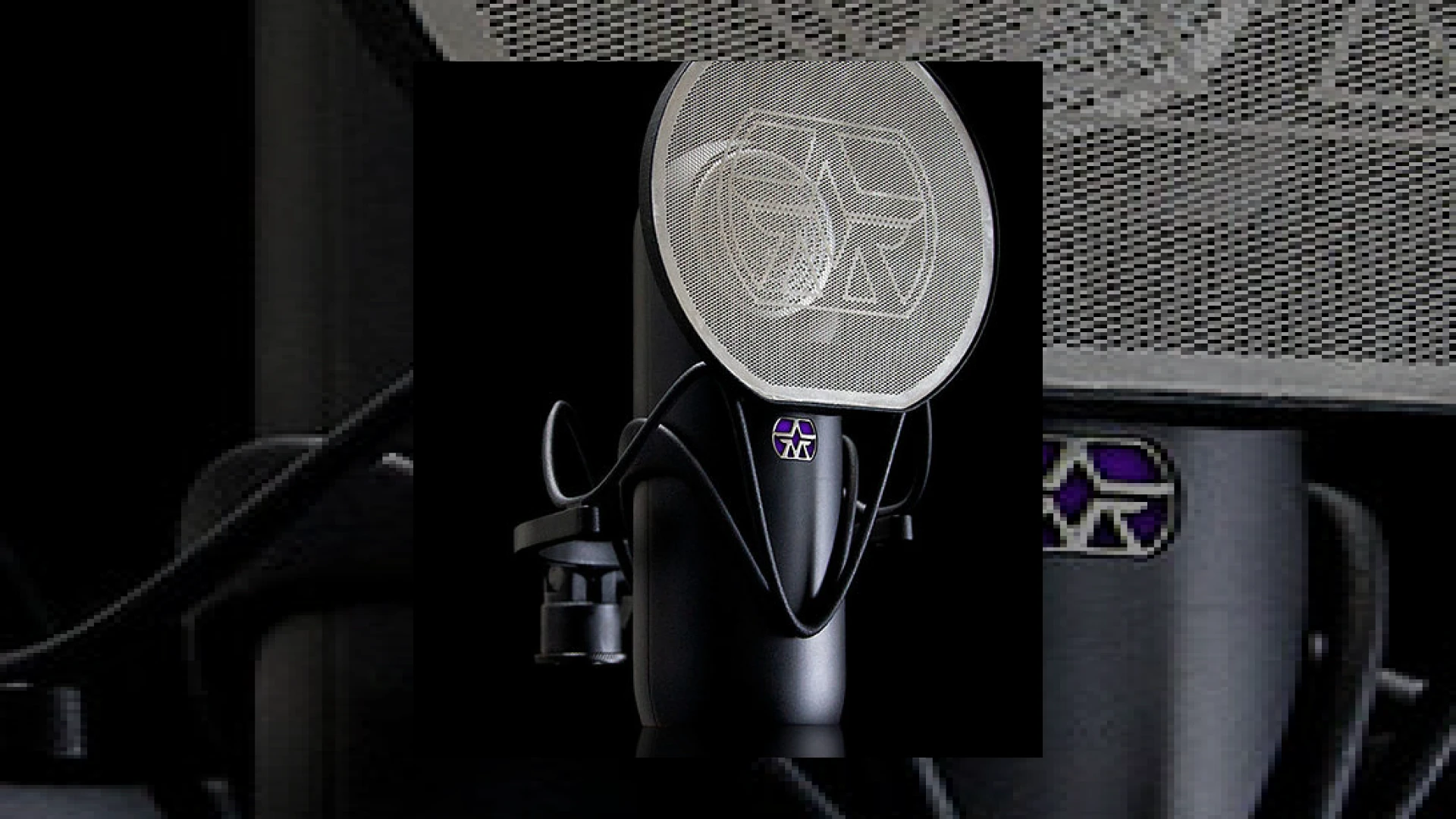
Visual context for Aston finalise design of the Element.
It is not often that the public gets a direct say in the development of high-end studio gear, but that is exactly what happened when SM Mastering Audio Articles analyzed how the developers at Aston finalise design of the Element. British microphone manufacturer Aston Microphones shook the audio world by inviting musicians, engineers, and producers to participate in a series of multi-stage blind listening tests. This democratic approach to microphone design allowed the end-users to steer the sonic signature of their brand-new microphone, code-named “The Element.”
How Did Aston Finalise Design of the Element?
The journey to create this unique microphone relied on a highly sophisticated public testing phase. Aston developed several distinct prototypes and pitted them against some of the most famous microphones in the industry. By choosing a multi-stage blind listening test format, Aston pitted various prototypes against industry titans like Shure, Rode, Audio-Technica, and even legendary brands like Neumann. In doing so, the engineers made sure that before they could officially declare that Aston finalise design of the Element, they had solid quantitative and qualitative data to back up their decisions.
This rigorous testing methodology ensured that the final product was not just built on paper specifications but on actual sonic preference. The resulting microphone is highly unique because, as Aston finalise design of the Element, they opted for an active moving coil capsule (known as Ridgridrive technology) that operates on 48V phantom power, delivering a hybrid sound that bridges the gap between dynamic and condenser models.
Aston Element Technical Specifications
The final design boasts an active moving coil capsule that combines the fast transient response of a condenser with the punchy, low-end rejection of a high-quality dynamic microphone. Below are the key specifications settled upon during the final design phase:
| Name | Use | Price | Rating |
|---|---|---|---|
| Aston Element Bundle | Vocals, Acoustic Instruments, Podcasting | $199 / £159 approx. | 4.8 / 5 stars |
Practical Studio Workflow Tips
For mastering and recording engineers alike, knowing that Aston finalise design of the Element based on vocals and acoustic guitars gives a strong clue on how to position it. It excels in capturing the mid-range warmth of acoustic instruments while retaining pristine high-frequency transients without harshness. Here are a few tips to maximize its performance in your studio:
- Utilize the Proprietary Shock Mount: The Element comes bundled with a custom magnetic pop filter and shock mount. Use them to minimize low-frequency rumble and plosives, as the capsule is highly sensitive to fast air movements.
- Provide +48V Phantom Power: Although it is a moving-coil microphone, its internal class-A discrete preamp circuitry requires standard phantom power to operate.
- Slight Off-Axis Placement for Bright Sources: If you are tracking a particularly bright female vocal or an overly bright acoustic guitar, tilt the microphone about 10–15 degrees off-axis to smooth out the top end.
Conclusion
In conclusion, the decision to let the global audio community help Aston finalise design of the Element has proven to be a groundbreaking success. By prioritizing user feedback over corporate assumptions, they have created a modern studio classic. It offers pristine, high-fidelity audio performance at a price point that makes it accessible to home recordists and professional commercial studios alike.
Frequently Asked Questions
What type of microphone is the Aston Element?
The Aston Element is an active moving-coil microphone utilizing proprietary Ridgridrive capsule technology. It requires +48V phantom power and blends the warm characteristics of a dynamic mic with the detail of a high-end condenser.
How was the public involved in the design of the Element?
Aston conducted a series of multi-stage blind listening tests. Thousands of participants downloaded raw audio files, listened on their own DAW and studio monitors, and voted on which prototypes sounded best across male/female vocals and acoustic guitar sources.
Does the Aston Element require a preamp?
Yes, like any professional studio microphone, the Aston Element needs to be plugged into a microphone preamp or audio interface input. Additionally, because it has active internal electronics, you must engage +48V phantom power.
🛒 Official Product Info & Where to Buy
Check full technical specs, pricing, and purchase options directly from the official manufacturer or authorized dealer for Aston finalise design of the Element.

Written by SM Mastering
Official content on sound engineering, mixing, mastering, and advanced electronic production by SM Mastering.