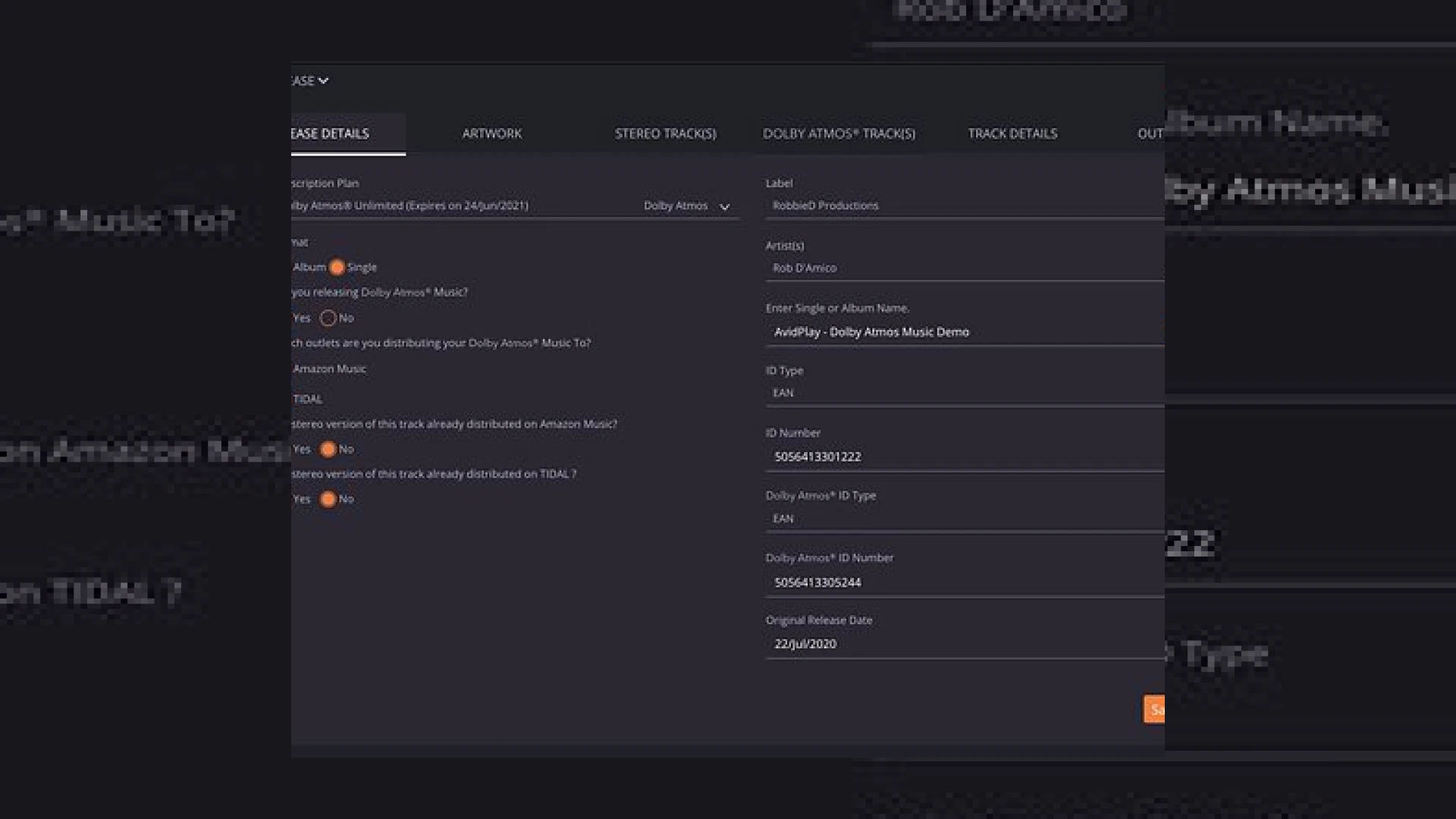
Visual context for AvidPlay gets Dolby Atmos compatibility.
The landscape of music distribution is shifting rapidly as immersive audio moves from a niche audiophile luxury to a mainstream standard. In an exciting development for independent creators, SM Mastering Audio Articles has been tracking how major distribution platforms are adapting to these new listener demands. The biggest news in this space is that avidplay gets dolby atmos compatibility, allowing artists and record labels to easily distribute spatial audio mixes to massive audiences worldwide. This integration simplifies a workflow that previously required complex, high-budget distributor deals, democratizing the immersive music market for everyone.
Why avidplay gets dolby atmos compatibility Is a Game Changer
With spatial audio becoming a major selling point for platforms like Apple Music, Amazon Music, and Tidal, the demand for immersive master files has skyrocketed. Now that avidplay gets dolby atmos compatibility, self-releasing musicians can bypass the traditional gatekeepers of spatial distribution. This means you can create a beautiful three-dimensional soundstage in your DAW, export the ADM BWF files, and deliver them directly to major streaming services. To elevate your mixes before sending them off for distribution, utilizing state-of-the-art tools from industry leaders like Universal Audio ensures your spatial dynamics translate perfectly across consumer systems.
Seamless Distribution Workflow with AvidPlay
The beauty of this update lies in its simplicity. Historically, distributing spatial audio was fraught with metadata issues, complex channel configurations, and formatting bottlenecks. However, because avidplay gets dolby atmos compatibility, the process is now as straightforward as uploading a standard stereo WAV file. Producers simply bounce their finished Atmos audio file from a compatible DAW—such as Avid Pro Tools or Apple Logic Pro—and upload it via the AvidPlay desktop application.
AvidPlay manages the backend routing, ensuring the file is correctly categorized for Dolby Atmos playback on Amazon Music and Tidal. By understanding how avidplay gets dolby atmos compatibility changes the distribution landscape, mastering engineers can optimize their output specifically for these platforms’ strict loudness targets.
AvidPlay Dolby Atmos Specifications
| Name | Use | Price | Rating |
|---|---|---|---|
| AvidPlay Distribution | Direct-to-streaming music distribution with Dolby Atmos and stereo support. | Starting at $4.99/year (Single Single) or subscription-based plans. | 4.7 / 5 |
Practical Studio Workflow Tips for Dolby Atmos Mastering
- Target Loudness Levels: Dolby Atmos tracks require a maximum integrated loudness of -18 LUFS and a True Peak of -1 dBTP to prevent streaming platforms from rejecting or heavily limiting your file.
- Binaural Monitoring: Since a vast majority of consumers will listen to Dolby Atmos on headphones, always check your binaural render carefully to ensure the spatial separation translates well on standard consumer earbuds.
- Verify Metadata: Ensure your ADM BWF file contains the correct channel mapping and spatial metadata before uploading to prevent errors during the automated validation process.
Embracing the Future of Audio
As headphone-compatible Atmos playback becomes a native feature on modern smartphones, spatial audio is officially here to stay. Seeing that avidplay gets dolby atmos compatibility, there has never been a better time for independent artists to experiment with immersive audio formats and reach new audiophile demographics. By optimizing your mixes for spatial environments and utilizing AvidPlay’s streamlined ingestion service, you can future-proof your music catalog today.
Frequently Asked Questions
What file format do I need to export for AvidPlay Dolby Atmos distribution?
You need to export an ADM BWF (Audio Definition Model Broadcast Wave Format) file from your DAW. This file contains both your audio channels and the spatial metadata required to position sounds in a 3D space.
Which streaming services support Dolby Atmos files distributed via AvidPlay?
Currently, AvidPlay supports the distribution of Dolby Atmos files directly to Amazon Music and Tidal, with plans to expand compatibility as more platforms implement spatial audio engines.
Do I need a physical surround-sound studio setup to mix Dolby Atmos?
While a calibrated 7.1.4 monitor setup is ideal for professional mastering, you can mix and monitor Dolby Atmos binaurally using standard headphones and specialized spatial tools inside modern DAWs.
🛒 Official Product Info & Where to Buy
Check full technical specs, pricing, and purchase options directly from the official manufacturer or authorized dealer for AvidPlay gets Dolby Atmos compatibility.
Written by SM Mastering
Official content on sound engineering, mixing, mastering, and advanced electronic production by SM Mastering.