
Visual context for Berklee Online presents 'The Future of Music'.
The landscape of modern music production, publishing, and live performance is shifting at a rapid pace. As mastering engineers and audio professionals, keeping a finger on the pulse of industry-shifting events is crucial for optimizing our studio practices. Recently, a major collaborative seminar caught the attention of the global audio community, as we examine the technical and business insights from berklee online presents ‘the future of music’ which took place at the prestigious Tileyard Studios in London. This interactive panel session brought together leading music executives, sync licensing managers, and touring veterans to discuss how modern technology shapes creative output, distribution models, and final audio delivery standards.
Technical Insights from Berklee Online presents ‘The Future of Music’
During the panels of berklee online presents ‘the future of music’, the conversation naturally veered towards the tools and formats that bridge the gap between studio production and commercial viability. For modern producers and mastering engineers, understanding how to optimize audio for sync licensing and live performance environments is no longer optional. It requires an advanced grasp of modern DAW workflows, high-end metering, and mastering practices. Whether you are prepping a track for a television broadcast or configuring a complex playback rig for a major festival, the technical demands remain exceptionally high. Platforms like Ableton are frequently utilized to handle these demanding live environments due to their robust stability and MIDI integration capabilities.
Sync Licensing and Modern Audio Delivery Standards
The first panel focused deeply on contemporary trends in publishing and sync, highlighting the stringent technical specifications required by music supervisors today. One major takeaway from berklee online presents ‘the future of music’ was the absolute importance of delivering flawless stems and high-dynamic-range masters to licensing agencies. When music is placed in film, television, or advertising, the final mix must sit perfectly beneath dialogue and sound effects.
In our ongoing technical guides at SM Mastering Audio Articles, we frequently emphasize that loudness normalization on streaming and broadcast networks has changed the mastering landscape. Having clean, highly dynamic masters with safe True Peak levels (typically -1.0 to -2.0 dBTP) is vital when pitching your music for high-end placements.
Live Sector Innovation: Playback Rigs and Festival Logistics
The second panel brought together prominent tour managers and live sector specialists who analyzed the logistical and technical realities of modern touring. The discussions during berklee online presents ‘the future of music’ highlighted how live playback rigs have evolved from simple backup systems to complex, redundant networks utilizing advanced software and hardware interfaces.
Mastering for live performance requires a completely different tonal balance than mastering for digital streaming platforms. Engineers must focus heavily on transient preservation, controlled sub-bass representation, and mono compatibility to prevent phase cancellation issues on massive festival line arrays.
Essential Tools for Modern Sync & Live Workflows
To meet the high standards discussed at the event, mastering and live playback engineers rely on specific high-performance tools. Below is a breakdown of industry-standard software and hardware commonly utilized to bridge the studio-to-stage gap:
| Name | Use | Price | Rating |
|---|---|---|---|
| Ableton Live Suite | Live Playback, Stem Sequencing & Production | $749 | 4.9/5 |
| iZotope RX Advanced | Dialogue Cleanup & Sync Audio Prep | $1,199 | 4.8/5 |
| Universal Audio Apollo x8 | Ultra-low Latency Live Tracking & DSP Processing | $2,799 | 4.9/5 |
| Sonnox Oxford Limiter | Inter-Sample Peak Control for Broadcast Sync | $270 | 4.7/5 |
Practical Studio Workflow Tips for Sync and Live Preparation
Implementing the technical workflows inspired by industry panels is the best way to future-proof your music catalog. Here are three practical steps you can implement in your studio today:
- Export Unmatched Stem Groups: Always deliver organized, phase-aligned stems (Drums, Bass, Instruments, Vocals) alongside your final mastered stereo mix. Sync editors require these to quickly duck specific elements behind voiceovers.
- Target Moderate Loudness Levels: Do not over-compress your sync submissions. Aim for an integrated loudness of -14 to -12 LUFS. This leaves enough micro-dynamic life in the track for broadcast processors to handle the audio without introducing audible distortion.
- Implement Redundant Live Routing: If translating studio stems to a live stage playback system, use a dual-redundant interface setup with an automatic switcher (such as a Radial SW8) to ensure your backing tracks never fail mid-show.
Conclusion: Navigating the New Era of Audio
Ultimately, the lasting legacy of berklee online presents ‘the future of music’ is the reminder that the technical and business sides of the music industry are deeply intertwined. Adapting your studio workflow to meet modern sync delivery standards and complex live integration demands is key to long-term success. By keeping your audio dynamic, clean, and highly organized, you ensure your productions are ready for any platform.
Frequently Asked Questions
What are the primary loudness standards for sync licensing submissions?
While streaming platforms normalize audio to around -14 LUFS, broadcast television networks often adhere to stricter regional standards such as EBU R128 (Europe) or ATSC A/85 (US), which target an integrated loudness of -23 or -24 LUFS. Delivering a master with a wide dynamic range and safe True Peak limits allows broadcast engineers to scale your audio without introducing unwanted limiting artifacts.
Why is mono compatibility so important for live performance masters?
Many large-scale festival and club PA systems are configured in mono or near-mono to ensure consistent sound coverage across the entire venue. If your stereo master relies heavily on wide out-of-phase elements, those elements may completely disappear or sound thin when summed to mono on a large venue system.
How does dynamic range affect the placement of music in TV and film?
Music supervisors prefer tracks with a healthy dynamic range because they are much easier to mix underneath dialogue. Highly compressed, brickwalled tracks occupy too much constant spectral space, making it difficult for sound designers to balance voiceovers without turning the music track down significantly.
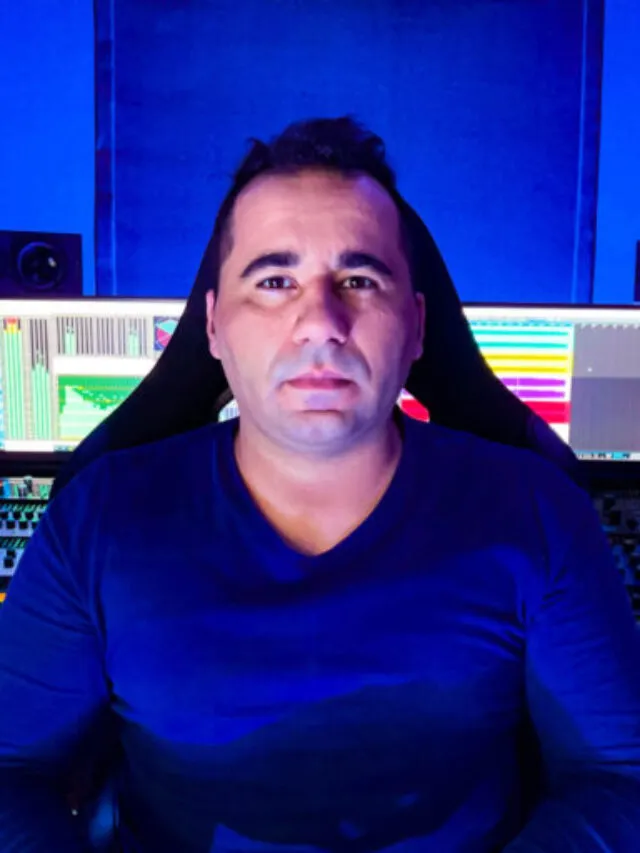
Written by SM Mastering
Official content on sound engineering, mixing, mastering, and advanced electronic production by SM Mastering.