At SM Mastering, we are always on the lookout for tools that redefine how music production, sound design, and mastering interact. When the industry gathered in Anaheim, the unveiling of bitwig studio 3 – namm 2019 marked a monumental shift in modular digital audio workstation (DAW) design. Introducing “The Grid”, this version changed how electronic music producers and mixing engineers approach complex routing, synthesis, and audio signal processing.
The Modular Revolution of Bitwig Studio 3 – NAMM 2019
The primary talking point of the bitwig studio 3 – namm 2019 presentation was undoubtedly The Grid. This open modular environment is built directly into the DAW’s core, allowing users to build their own polyphonic synthesizers (Poly Grid) and audio processors (FX Grid) from scratch. Unlike traditional setups where you might rely on external plugins from developers like iZotope for surgical processing, Bitwig’s native modularity keeps latency incredibly low and CPU efficiency high. By integrating virtual patch cords directly into the user interface, sound designers can bypass the rigid pathways of standard DAWs.
For mixing and mastering engineers, this modular workflow is a game-changer. Being able to patch together customized multi-band splitters, stereo imagers, and dynamic transient shapers natively means your signal chain remains phase-coherent and highly customizable.

Additional product view and interface angle for Bitwig Studio 3 – NAMM 2019.
Technical Specifications
To understand the scope of what was introduced during the bitwig studio 3 – namm 2019 launch, let us look at the core specifications of this powerful software platform:
| Parameter | Specification / Detail |
|---|---|
| Name | Bitwig Studio 3 |
| Use | Modular DAW, Sound Design, Electronic Music Production, Mix Engineering |
| Price | $399 USD (Standard upgrade paths available) |
| Rating | 4.8 / 5 Stars |
Advanced Routing and Native Integration
With bitwig studio 3 – namm 2019, the developers didn’t just add a visual gimmick; they completely overhauled the internal architecture of the host. Every signal—whether audio or control voltage (CV)—is treated with equal importance. This means you can modulate a standard audio compressor with a complex LFO generated inside The Grid.

Additional product view and interface angle for Bitwig Studio 3 – NAMM 2019.
As discussed on our SM Mastering Audio Articles hub, achieving a dynamic yet controlled master track relies heavily on the quality of your source materials and initial mix structures. Utilizing the tools introduced in bitwig studio 3 – namm 2019 ensures that your raw audio files possess a level of micro-modulation that breathes life into digital masters, preventing them from sounding sterile or flat.
Practical Studio Workflow Tips
To get the most out of your audio production using this specific release, consider the following studio practices:
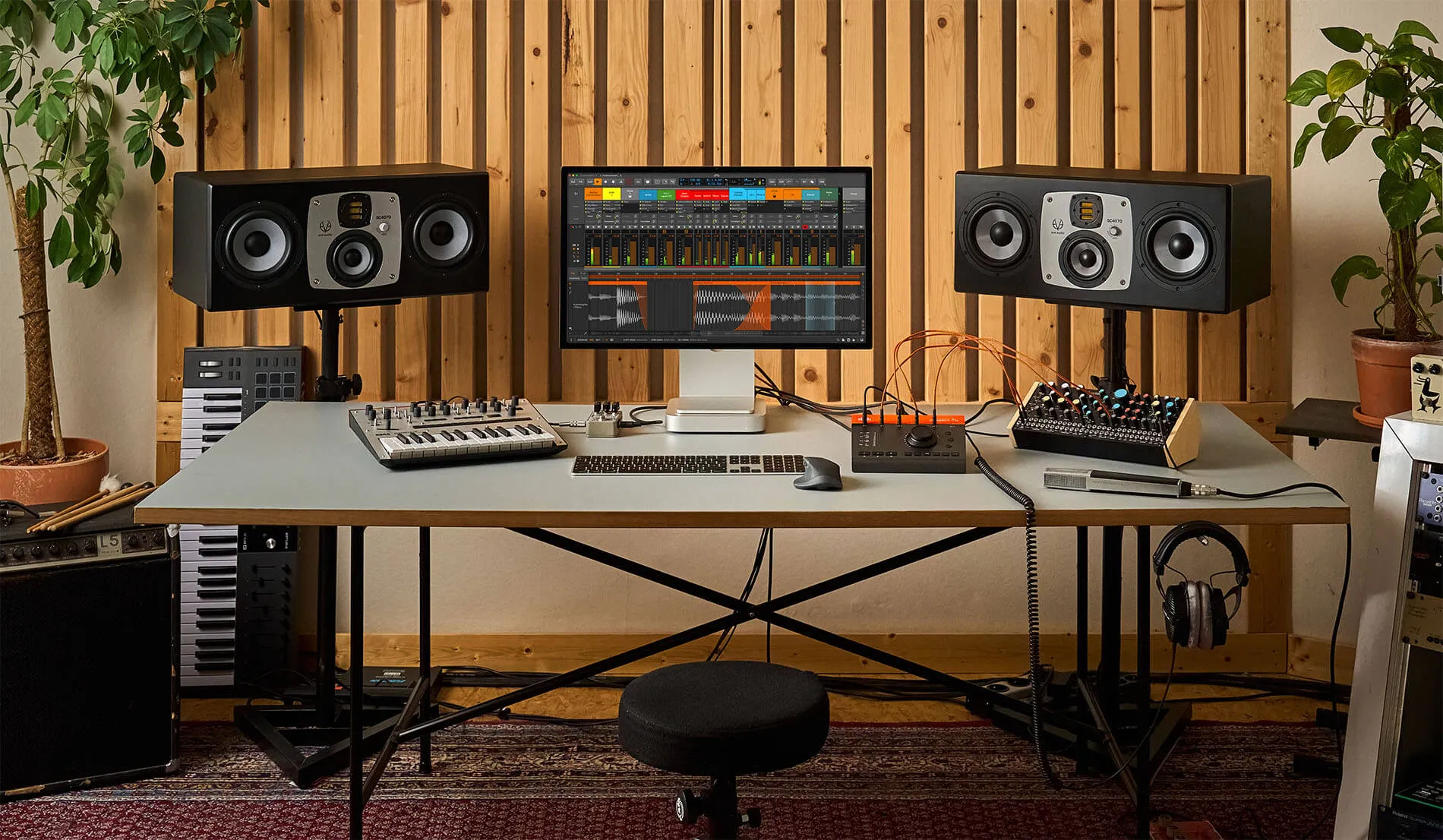
Additional product view and interface angle for Bitwig Studio 3 – NAMM 2019.
- Embrace the FX Grid for Master Prep: Build custom stereo widening modules within the FX Grid. This keeps your low-end strictly mono while adding subtle, frequency-dependent phase modulation to the upper-mids for a wider master.
- Keep Latency Under Control: Although the internal routing in the bitwig studio 3 – namm 2019 architecture is highly optimized, complex patch structures can still accumulate DSP overhead. Bounce heavy modular chains to high-resolution audio before starting your final mastering phase.
- CV-to-Plugin Integration: Utilize the hardware CV Out instrument to route modulation from Bitwig’s native LFOs to external hardware analogue synthesizers and compressors, bridging the gap between digital precision and analog warmth.
Conclusion
The launch of bitwig studio 3 – namm 2019 was a defining moment for modern DAWs. By bringing an incredibly powerful, fully integrated modular playground directly to the user’s fingertips, Bitwig eliminated the boundaries between composing, sound design, and mixing. It remains an industry benchmark for electronic musicians and creative engineers demanding unparalleled control over their sonic landscape.
Frequently Asked Questions
What makes the Grid in Bitwig Studio 3 different from other modular plugins?
Unlike third-party VSTs, The Grid is natively built into the DAW’s core. This means sample-accurate modulation, zero-latency connections, and seamless integration with all native modulators and hardware control voltage (CV) devices without the need for complex external routing.
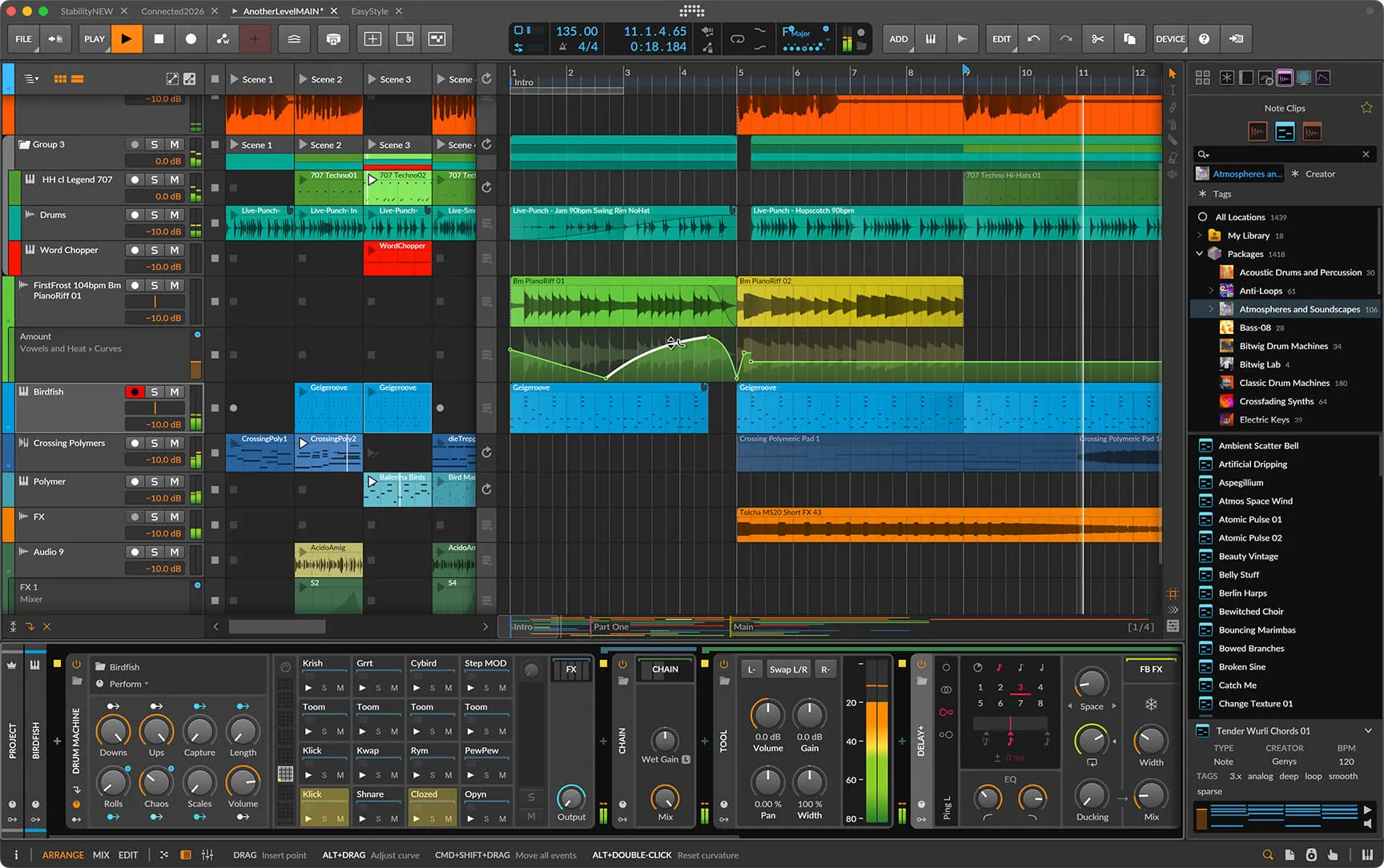
Additional product view and interface angle for Bitwig Studio 3 – NAMM 2019.
Can I run external plugins safely within Bitwig Studio 3?
Yes, Bitwig features an advanced, crash-proof plugin sandboxing system. If a third-party plugin crashes, it won’t take down your entire session, allowing you to reload the specific plugin and keep working uninterrupted.
Is Bitwig Studio 3 suitable for professional mastering?
Absolutely. Its linear phase EQ options, flexible multiband dynamics processing, and precise visual metering provide an excellent foundation for preparing mixes and mastering high-fidelity tracks with extreme precision.
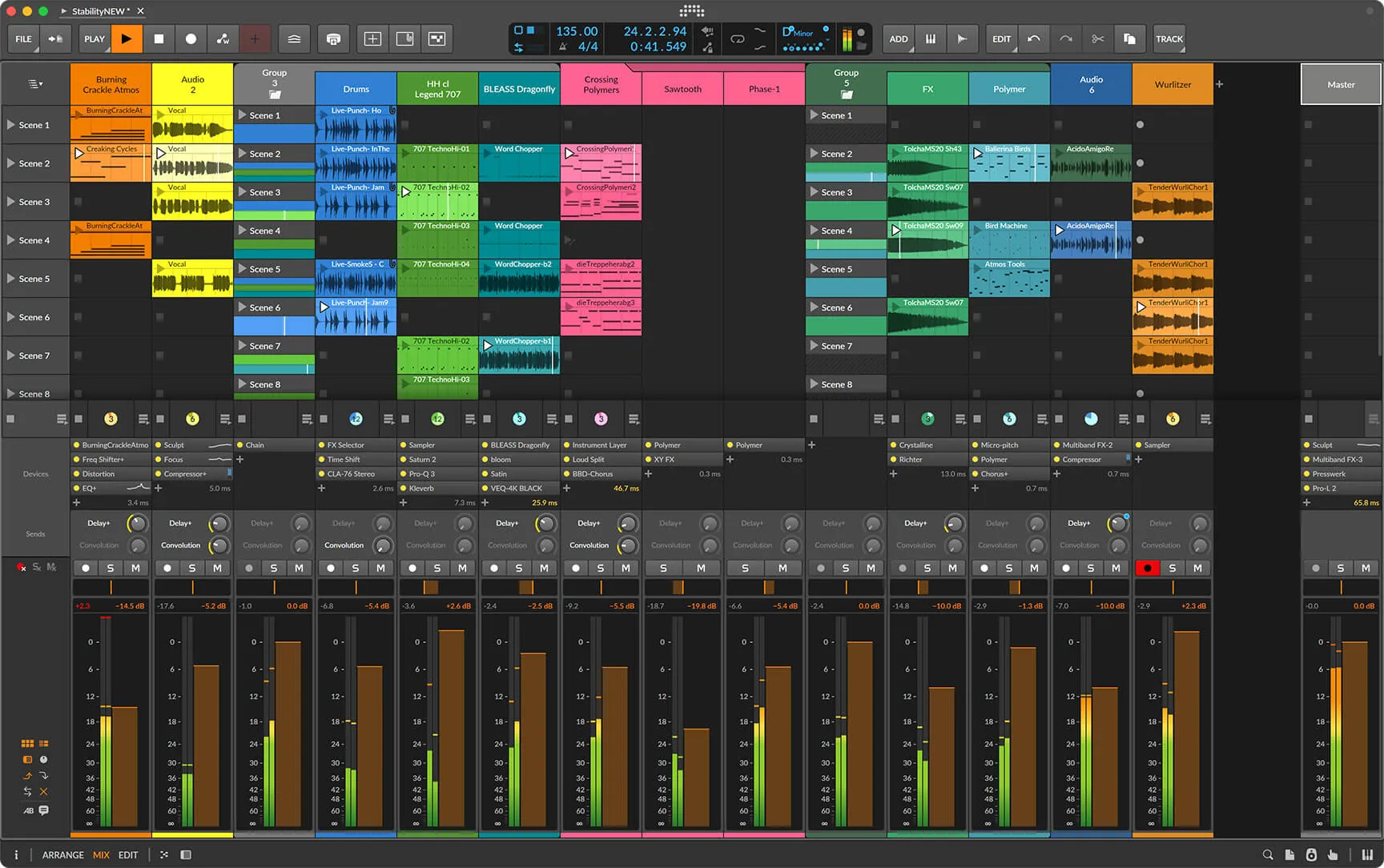
Additional product view and interface angle for Bitwig Studio 3 – NAMM 2019.
🛒 Official Product Info & Where to Buy
Check full technical specs, pricing, and purchase options directly from the official manufacturer or authorized dealer for Bitwig Studio 3 – NAMM 2019.

Written by SM Mastering
Official content on sound engineering, mixing, mastering, and advanced electronic production by SM Mastering.