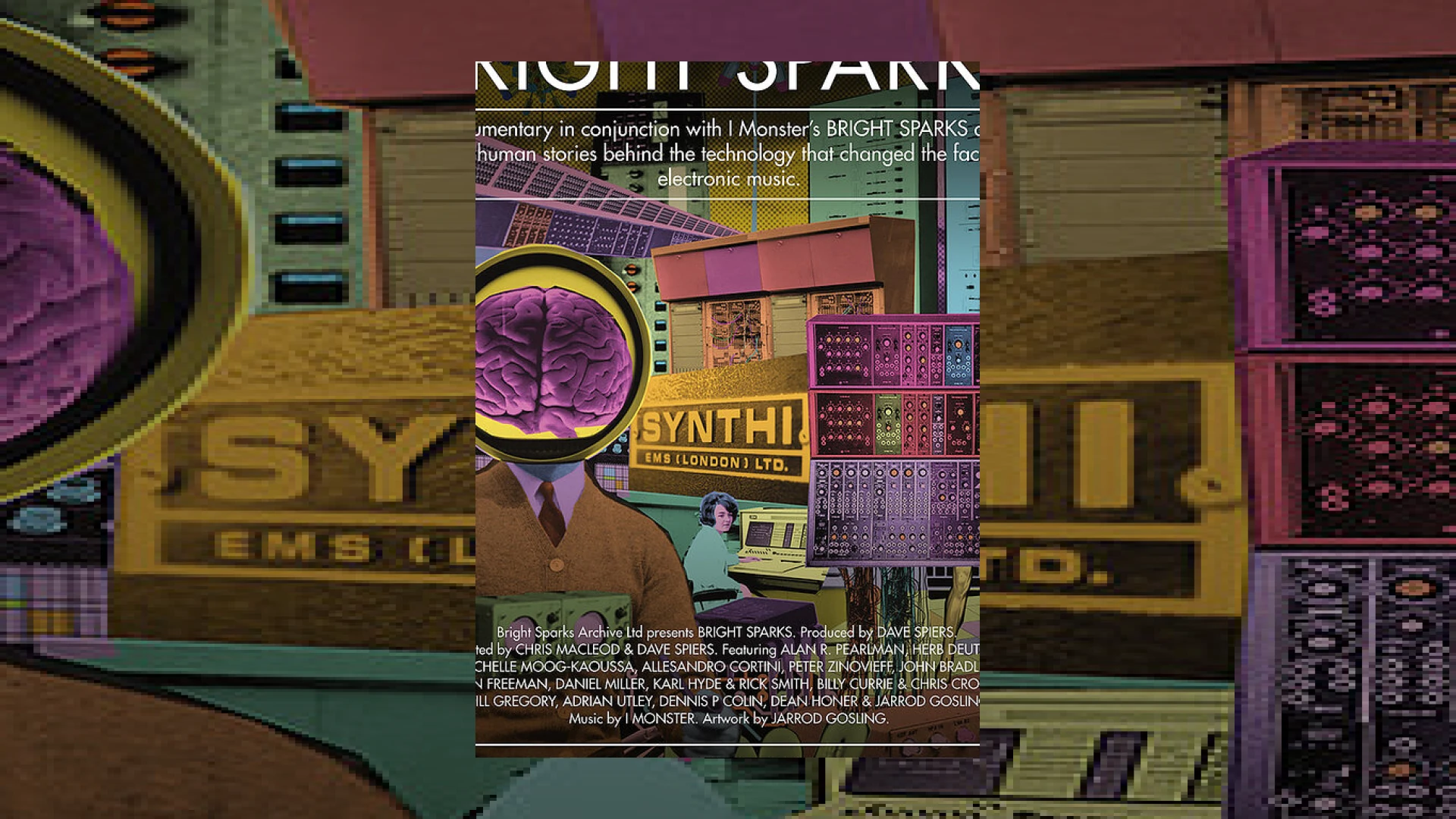
Visual context for Bright Sparks released for free.
The history of electronic music is deeply intertwined with the pioneering minds who engineered the first commercial synthesizers. For years, educators and synthesis enthusiasts have sought out high-quality historical documentation to understand the tools we use daily in the mastering studio. With the legendary documentary bright sparks released for free by GForce Software, the audio community receives an unprecedented educational gift. Originally a paid-for documentary, this masterclass in synthesizer history is now accessible to anyone looking to deepen their technical appreciation of electronic sound.
The Technological Pioneers of Electronic Synthesis
Understanding the origins of subtractive and additive synthesis is crucial, which is why having bright sparks released for free is such a monumental event for the audio community. In our mastering suites at SM Mastering Audio Articles, we constantly analyze harmonic structures that owe their existence to these original hardware designs. The documentary highlights eight electronic musical instrument pioneers who changed the landscape of music forever, including Bob Moog, Don Buchla, Peter Zinovieff, and Alan R. Pearlman.
By studying the design philosophies of these creators, modern music producers can gain a deeper perspective on how voltage-controlled oscillators, filters, and envelope generators shape modern waveforms. GForce Software’s acquisition and distribution of this documentary ensure that this vital history remains preserved for future generations of sound designers.
Deep Dive: Bright Sparks Released for Free
Now that bright sparks released for free provides four comprehensive chapters on synthesizer history, engineering students and sound designers can study the evolution of legendary brands like Moog, ARP, EMS, and Buchla. The documentary features direct interviews and commentary from iconic electronic music artists, including members of Underworld, Goldfrapp, and Nine Inch Nails. This offers a rare, behind-the-scenes look at how these historical circuits shaped the aesthetic of modern music production. To explore more about high-end analog emulation and virtual instruments, you can check out the developer site of GForce Software.
Each of the four parts focuses on specific innovators. Part 1 serves as an introduction to Moog and ARP, while subsequent chapters dive into the “Brits” (such as EMS and Mellotronics) and inventors like Ken Freeman, who pioneered string synthesis. This structured release offers a comprehensive timeline of how academic technology transitioned into commercial hit-making machinery.
Documentary Overview & Technical Specifications
The table below summarizes the key aspects of the documentary series and its new distribution format:
| Name | Use | Price | Rating |
|---|---|---|---|
| Bright Sparks Documentary | Educational Audio History & Synthesizer Documentary | Free (Originally Paid) | 5 / 5 Stars |
Practical Studio Workflow Tips Inspired by the Pioneers
Watching this documentary can directly translate into better production and mastering decisions in your modern DAW environment. Here are three practical workflow tips based on the technical designs discussed in the series:
- Emulate Analog Instability: Early voltage-controlled oscillators (VCOs) were notorious for pitch drifting due to temperature changes. You can emulate this classic character by applying a very slow, subtle LFO to the pitch of your digital software synthesizers.
- Contrast East Coast and West Coast Synthesis: Use Moog-style low-pass filtering (East Coast) for rich, subtractive basslines, and Buchla-style wavefolding (West Coast) to generate complex, non-linear harmonics for lead sounds.
- Manage Analog Low-End Phase: When mastering tracks produced with authentic vintage gear or highly accurate analog modeling plugins, always check your low-frequency phase alignment. Real hardware often introduces unique phase shifts that require precise correction during mastering.
Conclusion
Ultimately, the decision to have bright sparks released for free serves as an educational bridge between pioneering analog engineering and modern digital workflows. By understanding the philosophies of Bob Moog, Don Buchla, and Peter Zinovieff, modern producers can make more informed artistic and technical choices in their daily productions. Be sure to head over to the official channels to watch this incredible four-part series and elevate your sonic perspective.
Frequently Asked Questions
What is the focus of the Bright Sparks documentary?
Bright Sparks is an ambitious documentary produced in 2015 that tells the stories of eight pioneering electronic musical instrument creators, highlighting the development of early synthesizers from brands like Moog, Buchla, ARP, and EMS.
Who appears in the documentary to discuss these vintage instruments?
The documentary features contributions and commentary from highly respected artists and industry figures, including Will Gregory (Goldfrapp), Alessandro Cortini (Nine Inch Nails), Rick Smith & Karl Hyde (Underworld), and Daniel Miller (Mute).
How does understanding synthesizer history benefit modern audio mastering?
Understanding the history and mechanical limitations of vintage hardware helps mastering engineers identify the specific harmonic distortions, phase relationships, and frequency responses inherent in analog-centric music mixes, allowing for more precise final adjustments.
Written by SM Mastering
Official content on sound engineering, mixing, mastering, and advanced electronic production by SM Mastering.