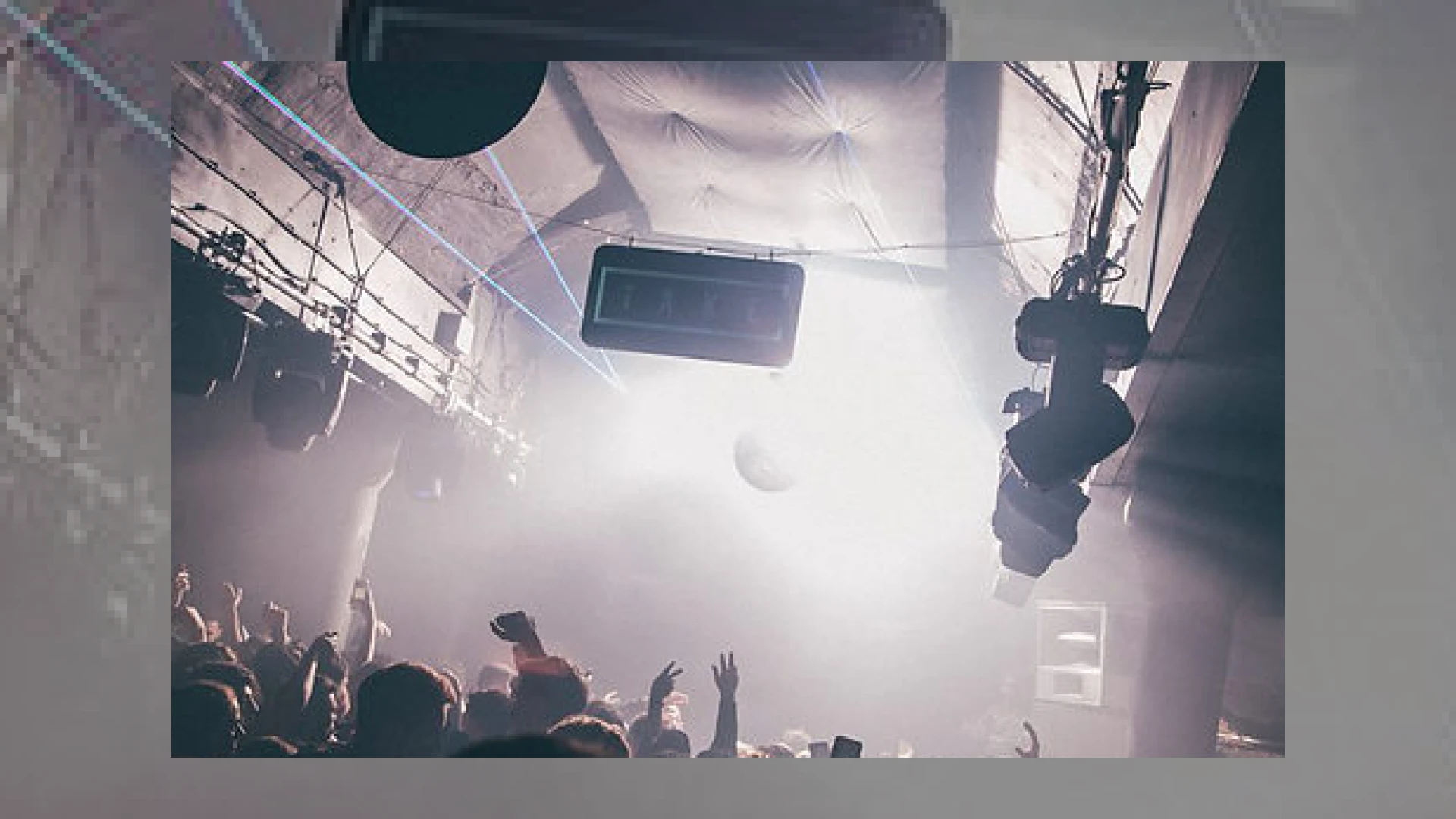
Visual context for Brighton Music Conference confirms fifth-anniversary parties and networking events.
As electronic music production continues to evolve, staying connected with industry standards and networking with fellow professionals is essential for any mastering engineer or music producer. This year, the electronic music community is buzzing with anticipation as the brighton music conference confirms fifth-anniversary parties and networking events for its landmark year. For audio engineers at SM Mastering, events like these are crucial touchpoints where cutting-edge studio technology meets the raw energy of the dancefloor. This technical article explores how the announcements from this year’s Brighton Music Conference (BMC) impact music creators and how you can optimize your studio workflow to prepare club-ready tracks for these high-profile networking sessions.
Why the Brighton Music Conference Confirms Fifth-Anniversary Parties and Networking Events
The convergence of audio professionals at the Brighton Dome highlights the symbiotic relationship between technical studio work and real-world audio playback. When the brighton music conference confirms fifth-anniversary parties and networking events, it provides an invaluable testing ground for producers. Listening to your masters on world-class club sound systems—such as those at Patterns, Tempest, or The Arch—offers a perspective on translation that home studio monitors simply cannot replicate. For a deeper dive into how to optimize your translation across various playback systems, explore our extensive library at SM Mastering Audio Articles.
This fifth-anniversary celebration boasts an impressive lineup of showcases and networking opportunities. Highlights include Beats Everything at Take, Drum & Bass Arena presenting Friction at Patterns, and legendary fabric resident Craig Richards. Additionally, the conference will host the launch of the Women in Dance Music (WDM) Collective, founded by Jude Thompson of Indigo Talent. This collective aims to amplify the visibility of women across all sectors of the electronic music industry, from live performance to high-end audio engineering. As the brighton music conference confirms fifth-anniversary parties and networking events, producers must understand how to prepare their mixes for the scrutiny of label A&Rs and mastering engineers during these busy networking panels.

Additional product view and interface angle for Brighton Music Conference confirms fifth-anniversary parties and networking events.
Essential Studio Tools for Club Master Preparation
To ensure your tracks stand out when networking with label heads and DJs, utilizing industry-standard software and hardware is paramount. Before you showcase your demos at the various BMC networking hubs, we recommend auditing your mastering chain. Premium processors from industry leaders like iZotope can help you achieve the competitive loudness and clarity needed for modern club environments. Below is a specification table of highly recommended studio tools used by mastering experts to prepare tracks for major electronic music events:
| Name | Use | Price | Rating |
|---|---|---|---|
| iZotope Ozone 11 Advanced | Mastering Suite & Spectral Shaping | $399 | 4.8/5 |
| Ableton Live 12 Suite | Creative DAW & Performance Tool | $749 | 4.9/5 |
| Universal Audio Apollo Twin X | DSP Audio Interface & Monitoring | $999 | 4.7/5 |
| Soundtoys 5 Bundle | Creative Analog Effects & Saturation | $499 | 4.8/5 |
Practical Studio Workflow Tips for Club-Ready Masters
With the exciting news that the brighton music conference confirms fifth-anniversary parties and networking events, it is the perfect time to audit your mastering chain to ensure your tracks sound massive on legendary club systems. Here are several practical workflow tips from the SM Mastering engineering team:
- Manage the Low-End Energy: Club systems rely heavily on sub-bass frequencies (30 Hz to 60 Hz). Use a high-pass filter to clean up unnecessary subsonic rumble below 25 Hz, freeing up dynamic headroom for your limiter.
- Verify Mono Compatibility: Many club sound systems run in mono to ensure even coverage across the venue. Periodically check your mix in mono during both the mixing and mastering stages to ensure your kick, snare, and lead elements do not disappear due to phase cancellation.
- Control Dynamic Range Wisely: Avoid over-limiting your track. While loudness is important, keeping some transient punch in your drums ensures they “knock” hard on high-power line arrays like those used at the Brighton Dome events.
Ultimately, when the brighton music conference confirms fifth-anniversary parties and networking events, the ultimate goal for any attending producer is to hand over a demo that is sonically flawless. Utilizing these workflow tips will keep your dynamics intact and ensure your production holds up next to commercial releases.
Conclusion
The fifth anniversary of the Brighton Music Conference represents a vital milestone for the UK electronic music scene. By combining top-tier networking events with world-class parties featuring artists like Craig Richards and Franky Rizardo, BMC continues to bridge the gap between technical expertise and dancefloor culture. By implementing meticulous mixing and mastering practices, you can confidently share your music with industry giants during this essential two-day conference.
Frequently Asked Questions
What is the importance of the Brighton Music Conference for audio engineers?
The Brighton Music Conference acts as a central hub where audio engineers, producers, and hardware manufacturers meet. It provides opportunities to discuss emerging technologies, spatial audio standards, and modern mastering trends, while also offering networking events to connect with prospective labels and artists.
How should I prepare my demos for BMC networking events?
Ensure your tracks are fully mixed, mastered, and bounced in high-quality formats (such as 24-bit WAV). Keep digital copies accessible on your smartphone or via QR codes linking to private streaming platforms like SoundCloud or Dropbox, making it incredibly easy to share with industry professionals during networking sessions.
Why is room acoustics and monitoring translation a key topic at music conferences?
Monitoring translation is the ultimate test of any master. Conferences like BMC frequently feature panels with elite mastering engineers who discuss how to treat home studios and configure monitoring setups to guarantee that tracks translate seamlessly from intimate studio environments to massive festival sound systems.
Written by SM Mastering
Official content on sound engineering, mixing, mastering, and advanced electronic production by SM Mastering.