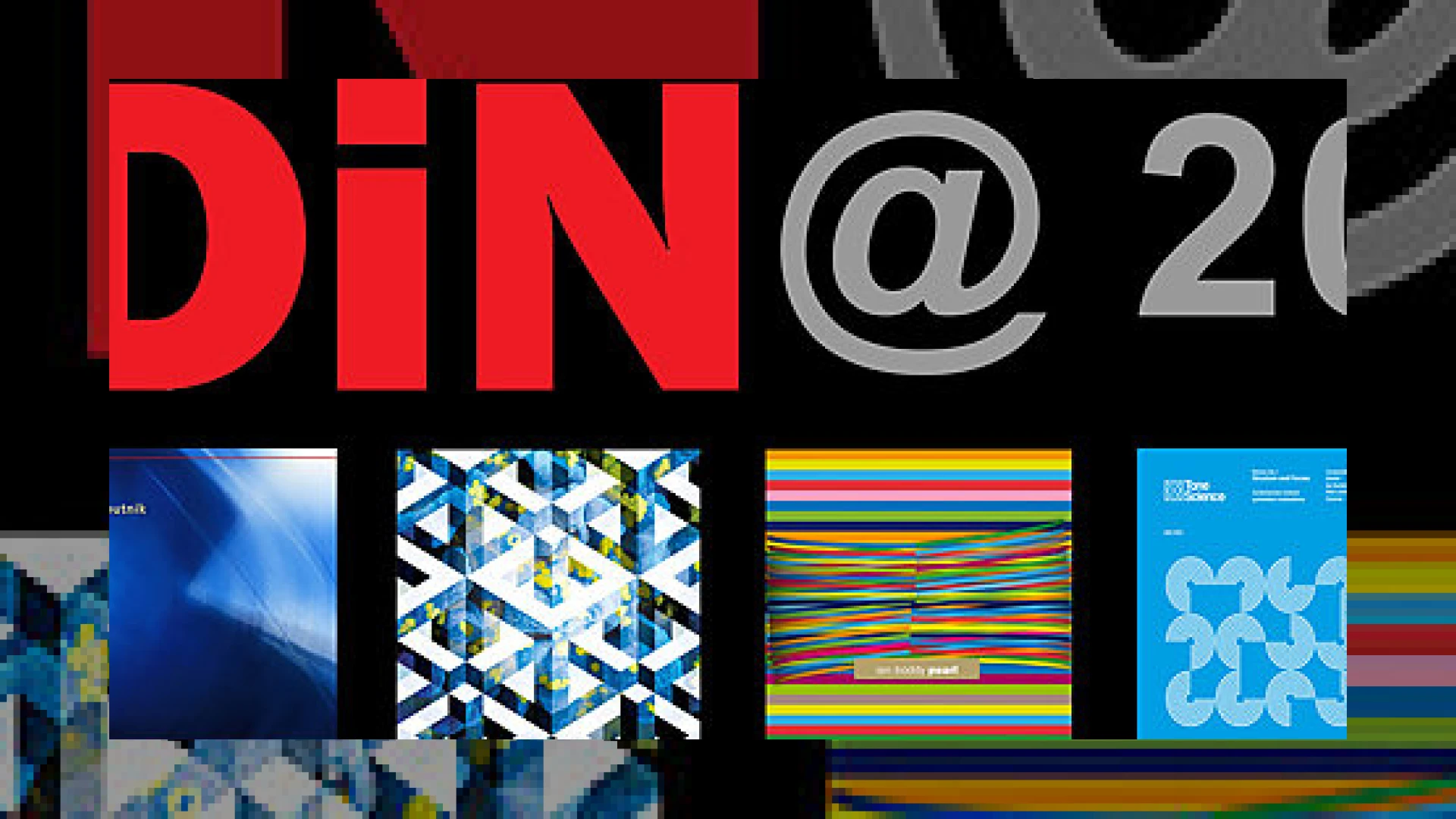
Visual context for Celebrating 20 years of the DiN label.
The landscape of independent electronic music is defined by pioneers who dare to carve out niche sonic spaces, and at SM Mastering, we are proud to join the global audio community in celebrating 20 years of the din label. Founded by synthesist Ian Boddy in the autumn of 1998 in Newcastle upon Tyne, this seminal imprint has spent two decades pushing the boundaries of modular synthesis, ambient soundscapes, and experimental electronica. For audio engineers and electronic music producers, the DiN catalog serves as a masterclass in dynamic range, spectral balance, and pristine spatial imaging. To commemorate this monumental milestone, the label is offering seven of its iconic sampler albums on a “name your price” basis via their Bandcamp platform, providing an invaluable resource for reference listening and creative inspiration.
When analyzing these releases from a mastering perspective, the sheer depth of the transient detail and the controlled low-end weight immediately stand out. Achieving this level of sonic cohesion across diverse electronic sub-genres requires a deep understanding of analog signal paths, digital precision, and spatial acoustics. Producers looking to emulate this classic, warm aesthetic can find deep architectural guides and optimization tips through our repository of SM Mastering Audio Articles.
Sonic Evolution: Celebrating 20 years of the din label
In celebrating 20 years of the din label, we observe how founder Ian Boddy’s initial vision in a Newcastle pub has materialized into an international hub for modular synthesis and sound art. Over the past twenty years, DiN has curated over 60 physical releases and 20 download albums, representing more than 40 artists from the UK, Germany, USA, Japan, Norway, France, and Australia. The label’s sonic signature effortlessly spans across ambient, industrial, abstract, and Berlin School genres. From a technical mastering standpoint, the challenge with such synthesiser-heavy music lies in managing the dense midrange build-up and ensuring that sub-bass frequencies do not muddy the stereo field—a critical consideration when celebrating 20 years of the din label and studying its immense catalog.
The arrangement of these tracks often features complex polyrhythms and evolving modular sequences that demand highly precise limiting and dynamic equalization. By keeping the dynamics natural and avoiding over-compression, the label preserves the organic breathing quality of hardware synthesizers. To understand how these releases compare in terms of distribution and availability during this anniversary event, let us examine some of the key sampler specifications below:
| Compilation Name | Primary Audio Use & Genre | Anniversary Pricing | Mastering Engineering Rating |
|---|---|---|---|
| DiN Sampler Index01 | Berlin School & Retro-Ambient Reference | Name Your Price (Free) | 4.8 / 5.0 |
| DiN Sampler Index03 | Experimental Modular & Glitch Textures | Name Your Price (Free) | 4.9 / 5.0 |
| DiN Sampler Index05 | Industrial Ambient & Dark Cinematic Beats | Name Your Price (Free) | 4.7 / 5.0 |
| DiN Sampler Index07 | Modern Abstract & Generative Soundscapes | Name Your Price (Free) | 5.0 / 5.0 |
Practical Studio Workflow Tips: Emulating the DiN Sound
Recreating the deep, spatial, and analog-sounding master quality of the DiN catalog in your own digital audio workstation (DAW) requires a combination of deliberate sound design and precise mixing techniques. Here are three professional workflow steps used by mastering engineers to achieve this cohesive sound:
- Embrace Dynamic Range: Avoid slamming your master bus limiter. Keep a high crest factor (the difference between peak and RMS levels) to let modular transients pop through the mix.
- Analog Saturation Modeling: Use high-quality tape or console emulators from reputable developers such as Universal Audio to add harmonic excitement to cold digital oscillators.
- Mid/Side Equalization: Keep your sub-bass (below 90Hz) strictly in mono to avoid phase cancellation, while letting your ambient reverbs and delays bloom in the side channel for a massive stereo field.
By implementing these steps during your mixing stage, you ensure that your tracks retain their depth and emotional impact when sent to the final mastering stage. Utilizing specialized spectral tools like those found in iZotope Ozone can help isolate problematic resonances before they reach the limiter.
Conclusion
Ultimately, celebrating 20 years of the din label teaches us that success in independent electronic music relies on consistency, artistic integrity, and an unyielding commitment to high-fidelity sound. The seven free sampler albums available on their Bandcamp site are not just a gift to fans, but an educational goldmine for electronic music producers and mastering engineers worldwide. As we look forward to the next two decades of analog innovation, we encourage you to download these reference tracks, analyze their frequency distributions, and apply these legendary mastering philosophies to your own musical projects.
Frequently Asked Questions
Why is celebrating 20 years of the din label such a monumental event for ambient musicians?
This anniversary marks two decades of unwavering support for non-mainstream, hardware-based electronic music. It celebrates the survival and thriving of an independent label that has defined the sonic standards of modern modular and Berlin School ambient music.
What gear is commonly associated with the signature sound of the DiN label?
The label’s aesthetic is heavily rooted in modular synthesizers (both Eurorack and vintage large-format Moog systems), analogue step-sequencers, tape delays, and high-end outboard processing gear that imparts a warm, organic character to the music.
How can I download the commemorative DiN sampler albums?
To celebrate their 20-year history, owner Ian Boddy has made seven of the DiN sampler albums available as “name your price” digital downloads on the official DiN Bandcamp page, allowing artists and enthusiasts to access high-quality lossless formats for free or via donation.
Written by SM Mastering
Official content on sound engineering, mixing, mastering, and advanced electronic production by SM Mastering.