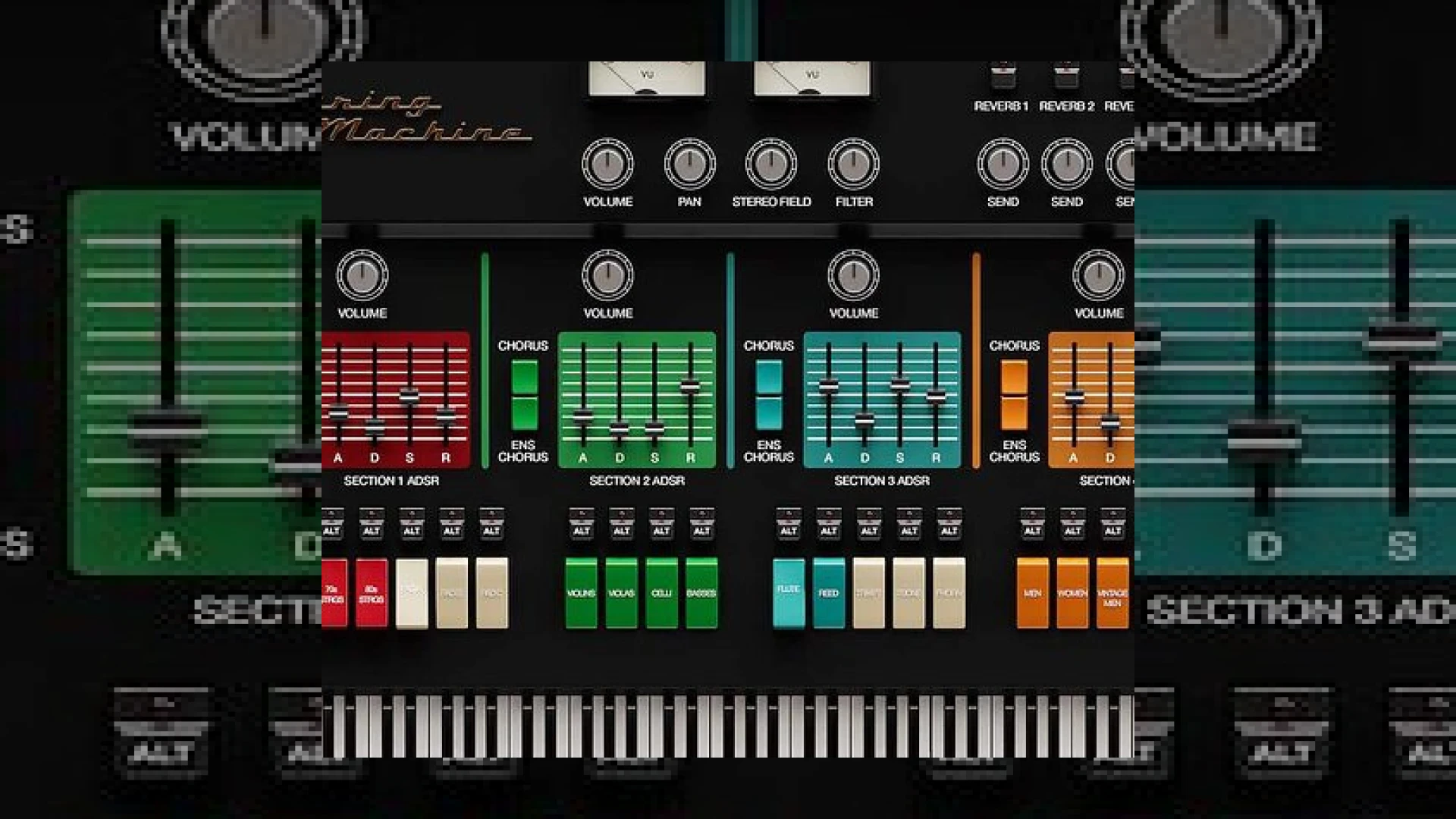
Visual context for EastWest release String Machine.
When legendary developers introduce fresh tools to the market, producers and mixing engineers take notice. The recent news that eastwest release string machine has officially arrived brings a wave of nostalgia paired with modern processing power. At SM Mastering Audio Articles, we always examine how virtual instruments integrate into professional mixing workflows, ensuring that frequency balance and dynamic range remain pristine. This instrument captures the distinct character of vintage hardware while providing the flexibility required in today’s demanding studio environments.
Exploring the Features Behind the EastWest Release String Machine
The core concept of the eastwest release string machine is to pay homage to classic string synthesizers from the 1960s, 70s, and 80s. Developers sampled legendary hardware units including the Oberheim OBX, ARP Solina, Roland RS-505, and Roland Jupiter 6. Producers can seamlessly blend these retro textures with contemporary string, brass, woodwind, and vocal patches.
Operating within EastWest’s advanced Opus engine, the instrument features four distinct, colour-coded sections:
- String Machines and Pads
- String Sections
- Solo Woodwinds and Brass
- Choirs and Vocals
Additionally, the built-in chorus effect features three distinct modes. Two of these model the iconic character of the ARP Solina and Roland VP-330, while a third modern mode delivers a cleaner, transparent widening effect. Engineers looking to polish these lush stereo fields often turn to processing standards inspired by gear manufacturers like iZotope for surgical spatial control.
Specifications Table
| Specification | Details |
|---|---|
| Name | EastWest String Machine |
| Use | Virtual Instrument / Hybrid Synthesizer |
| Price | Check official EastWest website for current pricing and subscription options |
| Rating | 4.8 / 5 |
Studio Workflow Tips for the EastWest Release String Machine
Maximizing the potential of the eastwest release string machine in a dense mix requires careful attention to EQ and low-end management. Because these layered patches can quickly consume valuable frequency real estate, consider rolling off sub-frictional rumble below 80 Hz to leave room for your kick and bass.
Furthermore, while the onboard chorus adds incredible width, be mindful of phase relationships when collapsing your mix to mono. Utilizing mid-side EQ techniques can help tame overly wide high-mids, keeping your lead vocals sitting comfortably in the center of the mix image.
Conclusion
Ultimately, the eastwest release string machine bridges the gap between vintage analog warmth and modern digital efficiency. By combining classic hardware samples with a robust modulation engine, it gives producers an inspiring palette for cinematic scores, synthwave, and modern pop productions alike.
Frequently Asked Questions
What engine does the EastWest String Machine run on?
The instrument runs inside EastWest’s powerful Opus engine, offering efficient resource management and fast loading times on supported Windows and macOS systems.
Can users design their own patches?
Yes, while the software ships with a curated selection of presets, the primary design philosophy encourages producers to experiment across the four colour-coded sections to build custom multi-layered patches.
What hardware units were sampled for this virtual instrument?
The sample library includes classic analog gear such as the ARP Solina, Oberheim OBX, Roland RS-505, and Roland Jupiter 6.
🛒 Official Product Info & Where to Buy
Check full technical specs, pricing, and purchase options directly from the official manufacturer or authorized dealer for EastWest release String Machine.

Written by SM Mastering
Official content on sound engineering, mixing, mastering, and advanced electronic production by SM Mastering.