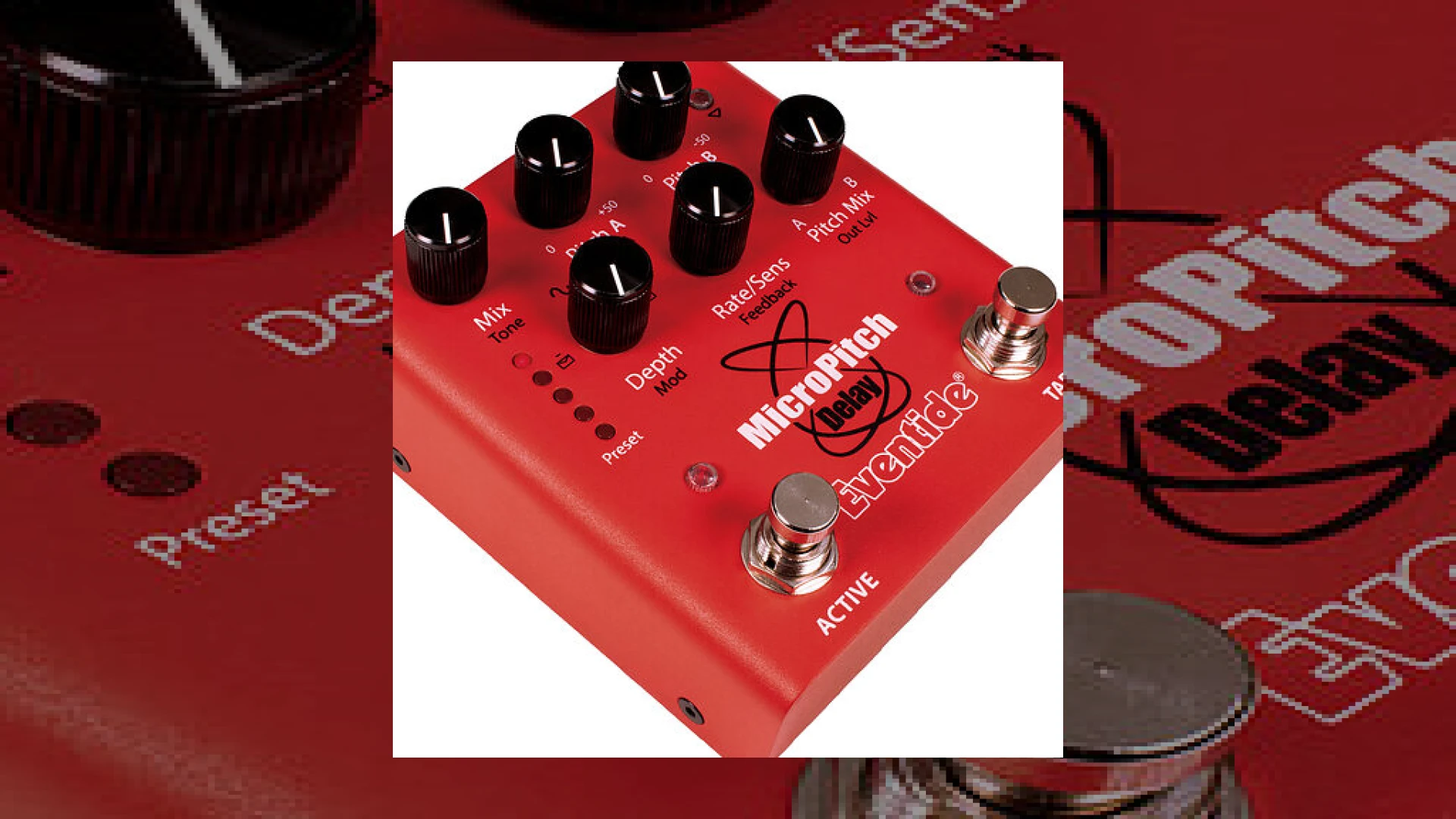
Visual context for Eventide MicroPitch Delay now available in pedal form.
At SM Mastering, we are always on the lookout for tools that elevate the depth, width, and emotional impact of a mix. This week, we are thrilled to discuss the latest industry buzz: the legendary eventide micropitch delay now available in pedal form. Originating from the groundbreaking H910 and H949 Harmonizers, this distinct stereo-widening effect has graced countless hit records. Now, Eventide has packaged this dual pitch-shifting delay powerhouse into a compact, pedalboard-friendly chassis, making high-end studio modulation more accessible than ever.
Why the Eventide MicroPitch Delay Now Available in Pedal Form Matters
With the eventide micropitch delay now available in pedal form, guitarists and studio engineers alike can access this iconic pitch-shifting and micro-detuning magic without needing a massive rack setup. Traditionally, achieving this lush, three-dimensional stereo spread required expensive vintage hardware or complex DAW routings using digital plugins from industry giants like Eventide or Universal Audio. This stompbox delivers subtle, static micro-detuning to create an Artificial Double Tracking (ADT) effect, or deep LFO modulation for a gorgeous, swirling stereo chorus that breathes life into any source.
Technical Specifications
To help you understand how this unit fits into your current workflow, here is a breakdown of the key specifications:
| Name | Use | Price (MSRP) | Rating |
|---|---|---|---|
| Eventide MicroPitch Delay Pedal | Stereo pitch-shifting, micro-detuning, delay, and modulation | $279 | 4.8 / 5.0 |
Unmatched Control and Connectivity
One of the most exciting aspects of having the eventide micropitch delay now available in pedal form is the sheer versatility of its physical interface. The unit features full stereo inputs and outputs, allowing it to operate in true stereo or mono-in/stereo-out configurations. Dual footswitches offer hands-on control over bypass and tap-tempo, while an external footswitch input can be mapped to recall five onboard presets. Internally, the pedal supports up to 127 presets, customizable via MIDI or USB. You can learn more about optimizing hardware effects in modern hybrid mastering and mixing setups by visiting our SM Mastering Audio Articles.
Practical Studio Workflow Tips
- Vocal Widening: Send a mono lead vocal to the pedal using a mono-in, stereo-out configuration. Dial in subtle pitch shifting (+9 cents on the left channel, -9 cents on the right) and a short delay of 15-25ms to create an instant, luxurious ADT vocal spread.
- Synth & Keys Sweetening: Run analog polyphonic synthesizers through the pedal in true stereo mode. Modulate the depth and rate parameters slightly to yield an ultra-wide, moving stereo image that sits perfectly in a dense mix.
- Creative Reamping: Send dry guitar tracks out of your DAW into the pedal, use the tap-tempo to sync the delays to your project tempo, and record the wet stereo return back into your session for authentic analog-style performance modulation.
By integrating this hardware into your tracking or mixing setup, especially since the eventide micropitch delay now available in pedal form offers USB connectivity and extensive MIDI control, you bridge the gap between classic analog warmth and modern digital flexibility.
Conclusion
In summary, the eventide micropitch delay now available in pedal form is a game-changer for both live performers and studio purists. It successfully condenses decades of rackmount heritage into an affordable, robust stompbox. Whether you want to widen a lead vocal, add lush chorus to a guitar, or bring dimension to a synthesizer, this pedal is an invaluable asset to any professional audio toolkit.
Frequently Asked Questions
Can I use the Eventide MicroPitch Delay pedal as a studio hardware insert?
Yes, absolutely. Thanks to its line-level switching capabilities and true stereo routing, you can easily patch this pedal into your audio interface as an external hardware insert within your DAW for mixing and mastering applications.
How many presets can the Eventide MicroPitch Delay pedal store?
The pedal can store up to 5 presets directly on the hardware, which are accessible via an external footswitch. However, it can store up to 127 presets internally, which can be recalled using MIDI or managed via Eventide’s software over a USB connection.
What is the difference between static micro-detuning and modulated delay?
Static micro-detuning applies a constant pitch-shift (e.g., +9 cents on one side, -9 cents on the other) to create a wide, stationary stereo image (like ADT). Modulated delay introduces an LFO to vary the pitch and delay times dynamically, resulting in a lush, shifting chorus effect.
🛒 Official Product Info & Where to Buy
Check full technical specs, pricing, and purchase options directly from the official manufacturer or authorized dealer for Eventide MicroPitch Delay now available in pedal form.

Written by SM Mastering
Official content on sound engineering, mixing, mastering, and advanced electronic production by SM Mastering.