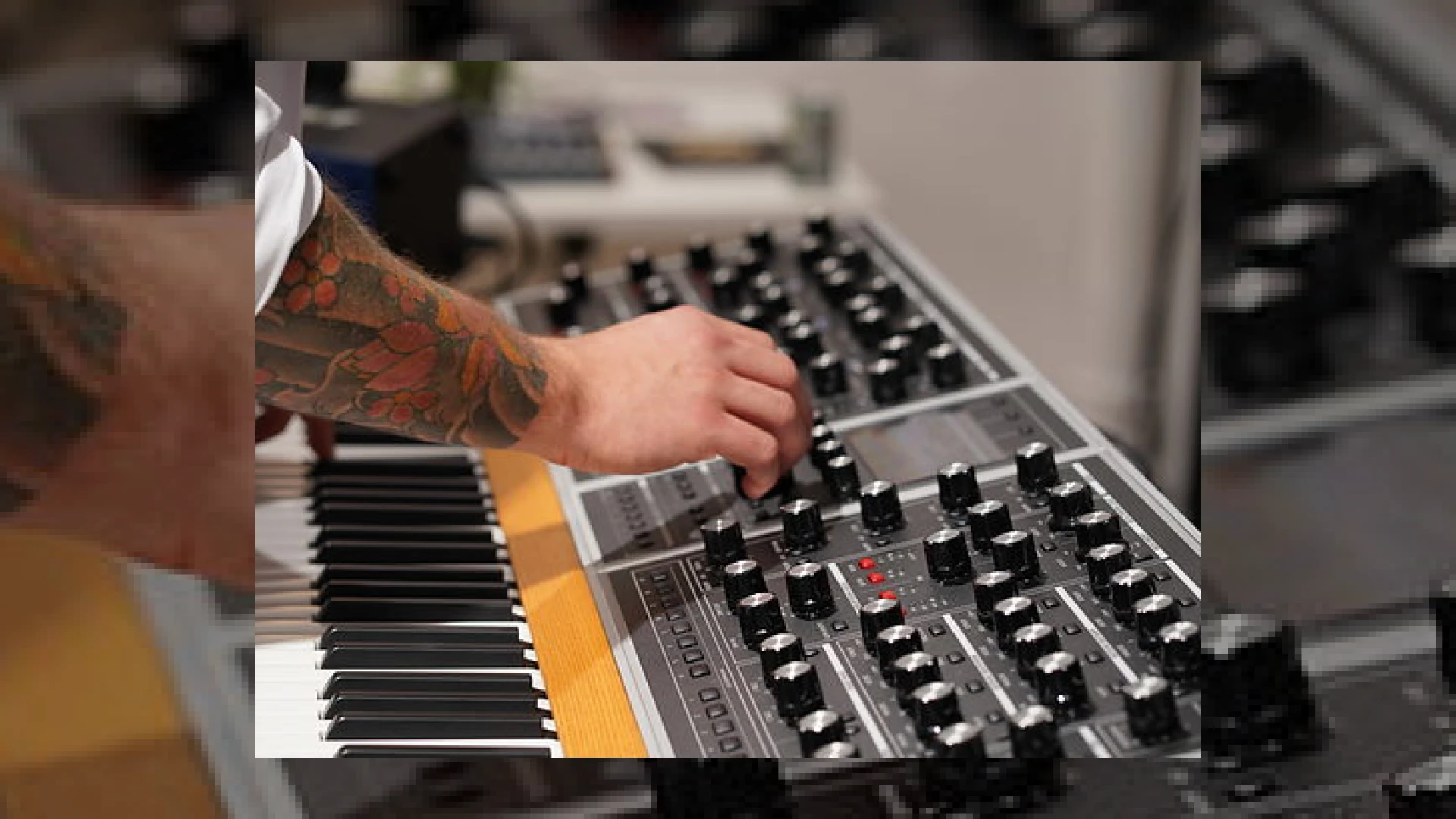
Visual context for Get your hands on the Moog One at We Are Robots.
The electronic music production landscape is buzzing with the arrival of Moog’s flagship analog synthesizer, a monumental instrument that redefines polyphonic synthesis. For producers, sound designers, and mastering engineers alike, experiencing this level of analog hardware firsthand is essential to understanding modern sonic weight, headroom, and harmonic texture. This weekend, at the Old Truman Brewery on Brick Lane, you have an unprecedented opportunity to get your hands on the moog one at we are robots and experience its incredible sonic capabilities in person. Organized in collaboration with Source Distribution and Red Dog Music, this event brings some of the world’s most innovative music technology under one roof for a completely free public exhibition.
Why You Should Get Your Hands on the Moog One at We Are Robots
The Moog One is not just another synthesizer; it is a tri-timbral, polyphonic analog masterpiece that features a highly sophisticated synth architecture. When synth enthusiasts get your hands on the moog one at we are robots, they will experience its dual-source variable-state filters, three newly designed analog VCOs per voice, and a premium Fatar keybed with aftertouch. For mastering applications, understanding the harmonic generation of such high-end hardware helps us sculpt and balance electronic tracks with greater precision. It is rare to find a public demo space where you can test-drive a synthesizer of this caliber alongside cutting-edge tools from brands like Universal Audio, Teenage Engineering, and Roli.
Moog One Technical Specifications
| Name | Use | Price | Rating |
|---|---|---|---|
| Moog One (16-Voice) | Polyphonic Analog Synthesis, Professional Sound Design, Studio Production | $7,999 / £7,199 (Approximate) | 4.9 / 5 Stars |
Practical Studio Workflow Tips for Analog Polysynths
Integrating a powerful synthesizer like the Moog One into your production and mastering workflow requires careful attention to detail. Indeed, when you get your hands on the moog one at we are robots, you will immediately hear how the dynamic range of true analog circuitry behaves differently compared to software emulation. Here are three professional tips to optimize your studio workflow:

Additional product view and interface angle for Get your hands on the Moog One at We Are Robots.
- Gain Staging the Tri-Timbral Layers: Because the Moog One allows you to layer up to three distinct synths simultaneously, keep an eye on your master output meter. Analog clipping can sound pleasing, but digital clipping in your DAW will ruin the transients of your track.
- Managing Bass Headroom: Massive polyphonic pads can quickly accumulate low-end energy. Use high-pass filters on non-bass layers to keep the low frequencies clear for your kicks and sub-basses. For advanced guides on maintaining low-end clarity during the final polish, explore our resources at SM Mastering Audio Articles.
- Utilizing Stereo Spread: Leverage the Moog One’s onboard effects and panning modulation to create wide stereo images. A wide, well-balanced stereo image translates beautifully during the mastering phase.
Conclusion
The evolution of analog hardware continues to push the boundaries of what is possible in music production and audio mastering. Events like We Are Robots are invaluable for bridging the gap between theoretical knowledge and physical, tactile interaction with world-class gear. Make sure to plan your visit to East London this weekend so you can get your hands on the moog one at we are robots and hear the future of polyphonic synthesis for yourself.
Frequently Asked Questions
What makes the Moog One different from other analog polysynths?
The Moog One is Moog’s first polyphonic analog synthesizer in over three decades. It features a tri-timbral architecture, allowing you to split or layer three completely independent synths across the keyboard, supported by custom-designed analog circuits, dual filters, and studio-grade onboard digital effects.
Additional product view and interface angle for Get your hands on the Moog One at We Are Robots.
How does high-end analog gear benefit the audio mastering process?
High-end analog gear introduces organic harmonic saturation, natural dynamic compression, and a sense of depth that is difficult to replicate digitally. Understanding how these hardware units behave allows engineers to make more informed decisions during mastering.
Is the We Are Robots event free to attend?
Yes, the We Are Robots event at the Old Truman Brewery in East London is entirely free and open to the public. It features interactive demo spaces, educational talks, and live performances curated by legendary music brands.
Written by SM Mastering
Official content on sound engineering, mixing, mastering, and advanced electronic production by SM Mastering.