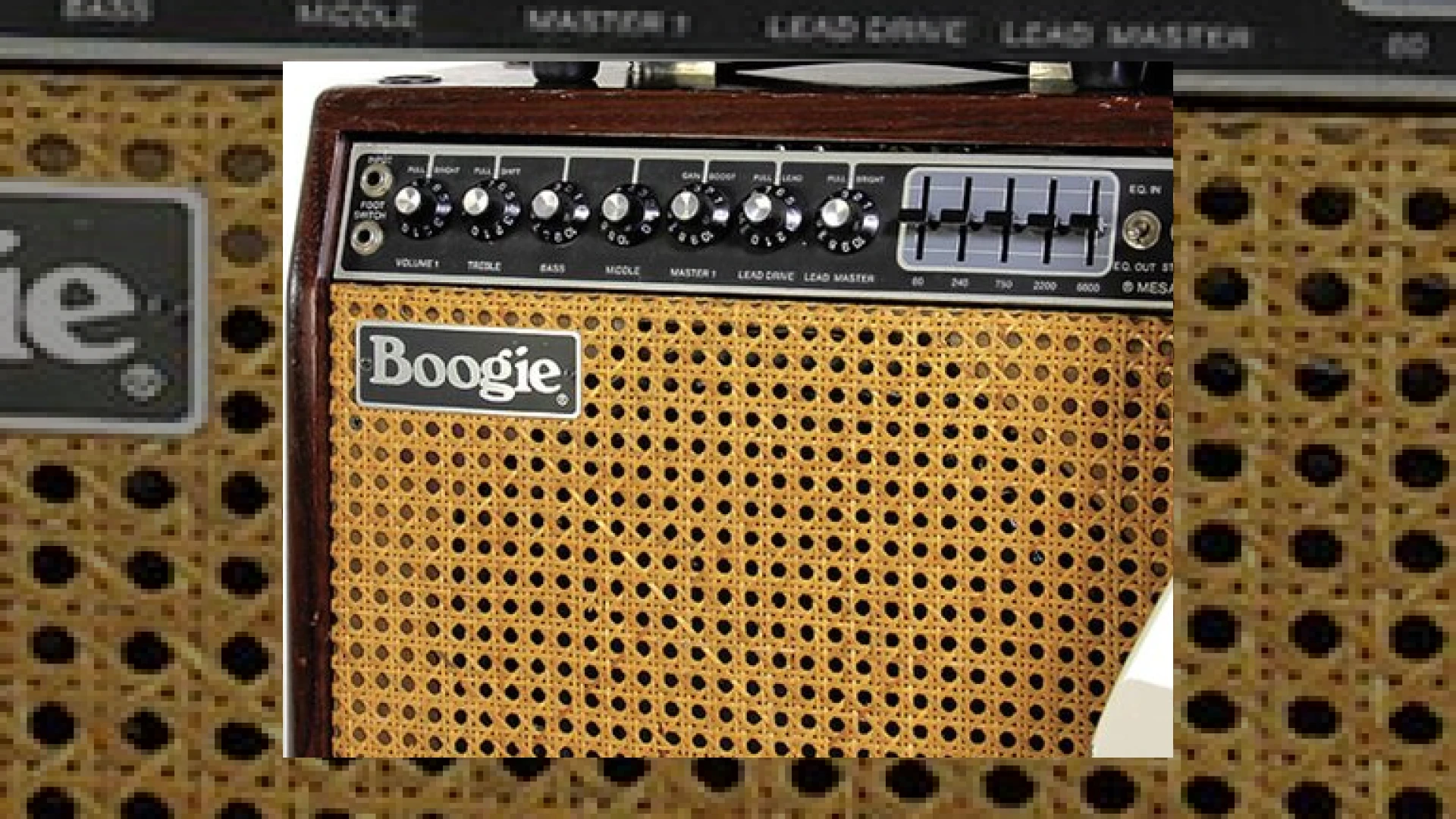
Visual context for Gibson acquire Mesa/Boogie.
The music gear industry recently experienced a historic shift when iconic guitar manufacturer Gibson Brands announced their official acquisition of Mesa/Boogie, one of the most respected names in boutique high-gain amplification. This joining of forces marks a monumental moment for both guitarists and studio producers worldwide. When we saw Gibson acquire Mesa/Boogie, it became immediately clear that the landscape of professional guitar amplification and studio tracking would be forever altered by these two legacy American companies uniting their intellectual properties and manufacturing strengths.
For more than half a century, Mesa/Boogie has been the gold standard for high-performance tube amplification, pioneered by its visionary founder, Randy Smith. Under the new corporate agreement, Smith will continue his vital work as Master Designer and Pioneer of Mesa/Boogie. The decision to let Gibson acquire Mesa/Boogie ensures that the specialized engineering crew, many of whom have been handcrafting these premium amplifiers in Petaluma, California for over thirty to forty years, will keep their artistic and technical legacy alive with expanded resources.
Why Did Gibson Acquire Mesa/Boogie?
According to Gibson’s leadership, the acquisition represents a perfect synergy of historical heritage and forward-looking innovation. Since taking the helm in 2018, Gibson’s executive team, including CEO James Curleigh and Chief Merchant Officer Cesar Gueikian, has focused heavily on quality control and restoring the prestige of Gibson’s classic guitar lines. As Gibson acquire Mesa/Boogie, they effectively establish an elite “Custom Shop for Amplifiers” that complements their world-class stringed instruments.
For audio engineers and studio professionals, this partnership carries significant weight. Achieving a legendary rock or metal tone has traditionally relied on pairing a premium Gibson Les Paul with a roaring Mesa/Boogie dual rectifier. High-end analog tracking setups benefit immensely from this hardware compatibility. Integrating such classic hardware chains into modern hybrid studios using high-end audio interfaces from industry giants like Universal Audio allows engineers to capture pure, uncompromised tube warmth. You can discover more deep-dive analyses of professional tracking chains on our SM Mastering Audio Articles page.
Now that we see Gibson acquire Mesa/Boogie, we can anticipate a seamless integration of aesthetic design and electronic R&D. While some purists initially feared corporate dilution, the preservation of the Petaluma workshop and the active involvement of Randy Smith ensure that the boutique, hand-wired quality of the product line remains uncompromised.
Mesa/Boogie Key Product Specifications
To understand the caliber of the brand that Gibson has brought into its portfolio, let us look at some of the flagship Mesa/Boogie amplifiers that continue to dominate professional recording studios worldwide:
| Name | Use | Price (USD) | Rating | |
|---|---|---|---|---|
| Mesa/Boogie Dual Rectifier | High-Gain Rock, Metal, and Modern Heavy Genres | $2,599 | 4.9 / 5.0 | |
| Mesa/Boogie Mark Five: 25 | Versatile Studio Tracking, Session Work, Multi-Genre Portability | $1,799 | 4.8 / 5.0 | |
| Mesa/Boogie California Tweed | Vintage Blues, Clean Country, Pedals Platform, Organic Breakup | $2,099 | 4.7 / 5.0 |
The strategic move to let Gibson acquire Mesa/Boogie guarantees that these legendary designs will receive global distribution support, bringing boutique USA-built quality to a broader international market of discerning musicians and recording engineers.
Practical Studio Workflow Tips for Mesa/Boogie Amps
Integrating a Mesa/Boogie amplifier into your studio workflow requires careful attention to detail. These amplifiers are incredibly expressive but feature active EQ circuits that behave differently than traditional passive designs. Use these professional tips to get the most out of your setup:
- Master the Active EQ: On Mesa/Boogie Mark series amplifiers, the rotary tone controls (Treble, Mid, Bass) are placed before the gain stages. High bass settings can muddy your distortion. Keep Bass low (below 3) on the dials and use the 5-band graphic equalizer (placed post-gain) to boost your low-end in the classic “V” shape.
- Utilize Load Boxes and IRs: If you are tracking in a home or commercial studio where volume is an issue, run your Mesa/Boogie head into a reactive load box. Pair this with high-quality cabinet Impulse Responses (IRs) to achieve a massive 4×12 cabinet sound without disturbing the neighbors.
- Impedance Matching: Always ensure the output impedance of your amplifier (4, 8, or 16 ohms) perfectly matches the load box or speaker cabinet. Tube amplifiers are highly sensitive to impedance mismatches, which can cause catastrophic transformer failure.
Conclusion
The acquisition of Mesa/Boogie by Gibson Brands represents a new dawn for guitar and amplifier synergy. By honoring the 50-year legacy of Randy Smith while utilizing Gibson’s global reach and revitalized commitment to build quality, this partnership secures the future of boutique tube amplification. Whether you are tracking heavy riffs in a production suite or polishing a final mix in mastering, the iconic tone of a Mesa/Boogie paired with a Gibson guitar remains an undisputed benchmark of sonic excellence.
Frequently Asked Questions
Will Mesa/Boogie amplifiers still be handmade in Petaluma, California?
Yes. A fundamental condition of the acquisition is that the entire Mesa/Boogie design and manufacturing team remains based at their historical workshop in Petaluma, California, preserving their handcrafted legacy.
Is Randy Smith still involved with Mesa/Boogie after the Gibson acquisition?
Absolutely. Randy Smith continues his work with the company, joining Gibson as the Master Designer & Pioneer of Mesa/Boogie, ensuring his legendary circuit innovations continue to guide future designs.
Will this acquisition affect the pricing and availability of Mesa/Boogie parts?
With Gibson’s global distribution network, availability of amps and replacement parts is expected to improve worldwide, while maintaining the premium, boutique-tier pricing associated with high-end, USA-built tube gear.

Written by SM Mastering
Official content on sound engineering, mixing, mastering, and advanced electronic production by SM Mastering.