Visual context for Gig Performer 4.0 released.
As live audio engineers and touring musicians continuously seek bulletproof stability, the announcement that Gig Performer 4.0 released marks a monumental shift in virtual instrument hosting. For years, Deskew Technologies has provided a streamlined, CPU-friendly environment for running plugins live. However, this major update transforms how performers manage their virtual signal chains, closing the gap between complex studio routing and high-pressure stage execution.
Technical Breakthroughs: Why Gig Performer 4.0 Released is a Major Update
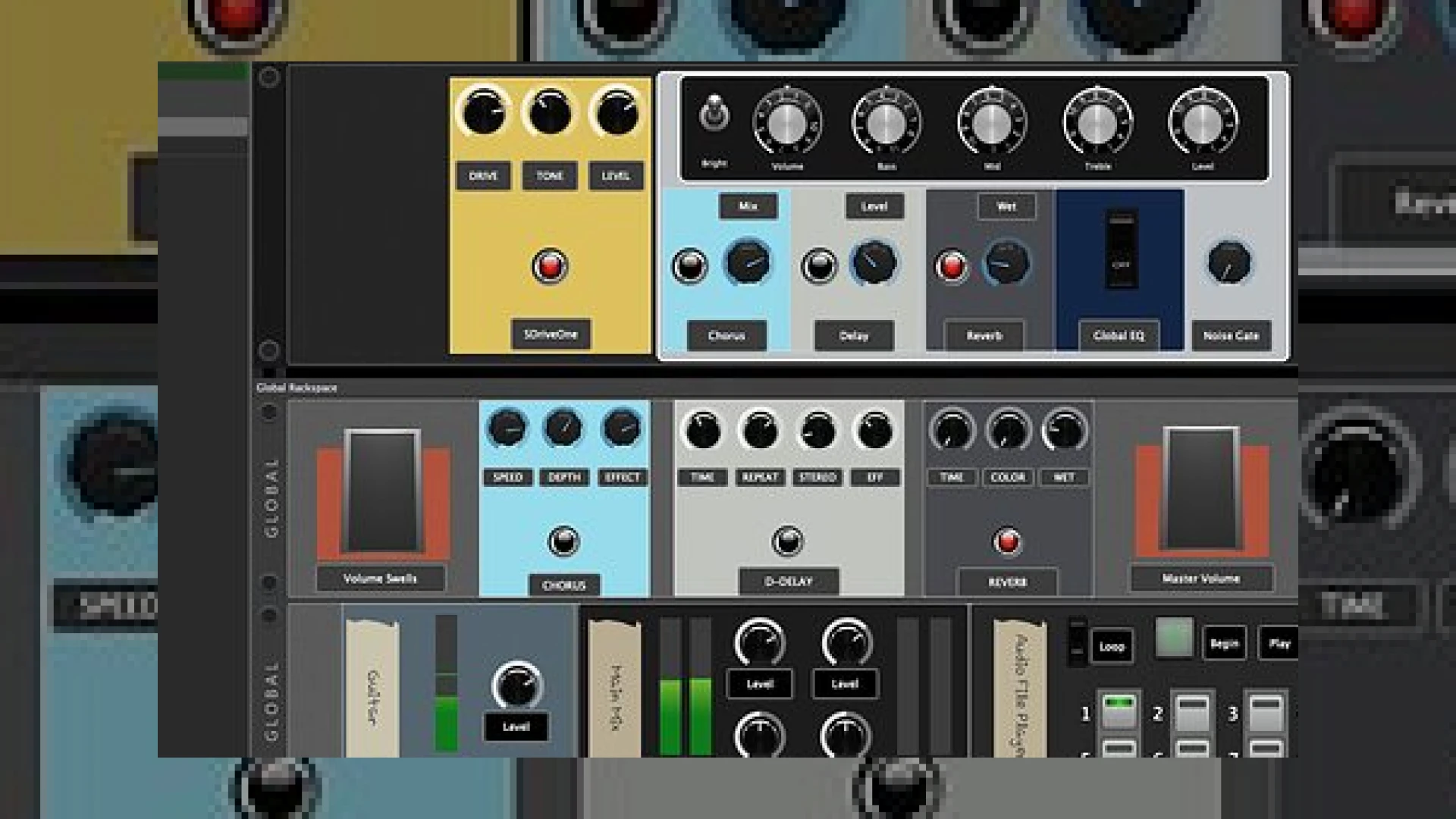
When Gig Performer 4.0 released, the standout feature immediately captured our attention: the new Global Rackspace. In previous versions, each song in your setlist functioned inside its own isolated Rackspace. While this kept layouts tidy, it meant reloading common plugins—like master reverbs, delay lines, or virtual guitar cabinets—for every single song, wasting precious system memory and CPU cycles. With this latest update, you can keep your essential VST instruments and effects permanently loaded globally, while still leveraging song-specific Rackspaces for individual patch changes.
Furthermore, this Global Rackspace is entirely bi-directional. This allows you to route audio freely between the global layer and your song-specific layers, which is perfect for complex send/return effects processing. It is clear that since Gig Performer 4.0 released, Deskew Technologies has prioritized solving real-world performance bottlenecks that touring professionals face daily.
Visual and MIDI Enhancements
Beyond routing, the user interface has received a massive overhaul. The Rackspaces are now fully zoomable and scrollable, allowing users with highly complex, multi-layered signal chains to navigate their setups without squinting at small laptop screens on dark stages. Additionally, you can now save combinations of instruments, effects, and their exact routings as reusable templates, dramatically speeding up preparation time.
On the MIDI side, a brand-new MIDI File Player has been integrated. Supporting up to 128 songs, it can play back MIDI files synced directly to the global tempo or tap-tempo input. This keeps time-based VST effects like delays and modulators perfectly locked in sync with the band’s actual performance. While traditional DAWs like Ableton are frequently used for backing tracks, this dedicated plugin host offers a far more stable, lightweight alternative optimized strictly for real-time playability.
Technical Specifications
| Name | Use | Price | Rating |
|---|---|---|---|
| Gig Performer 4.0 | Live Performance VST/AU Host | $149.00 | 4.8 / 5.0 |
Practical Studio and Stage Workflow Tips
- Optimize Your Gain Staging: Use the bi-directional routing to send your song-specific guitar tracks into a global, high-quality amp simulator. This ensures consistent output levels across your entire set.
- Conserve CPU with Shared Reverbs: Place resource-heavy spatial plugins (like lush algorithmic reverbs) in the Global Rackspace. Route individual song tracks to it to avoid reloading CPU-intensive reverbs per song.
- Leverage the MIDI File Player: Load program changes and automation files directly into the MIDI File Player to automatically switch your hardware synthesizer patches as the song progresses.
Indeed, now that Gig Performer 4.0 released, setting up redundant back-up systems is easier than ever. For more tips on optimizing your audio chain, mixing, and preparing your tracks for the stage, explore our comprehensive collection of guides at SM Mastering Audio Articles.
Conclusion
In summary, the day Gig Performer 4.0 released was a great day for live performers demanding studio-grade reliability on stage. Its combination of bi-directional Global Rackspaces, advanced MIDI playback, and a highly customizable visual layout makes it an indispensable tool for keyboardists, guitarists, and playback engineers alike.
Frequently Asked Questions (FAQ)
What is the primary benefit of the Global Rackspace in Gig Performer 4.0?
The Global Rackspace allows you to keep essential plugins, such as mastering limiters, global reverbs, or amp simulators, permanently loaded across your entire setlist. This prevents having to reload them for each song, saving CPU and memory.
Can I route audio between song-specific Rackspaces and the Global Rackspace?
Yes, the routing is bi-directional. You can send audio from individual song Rackspaces into the Global Rackspace for processing and route it back, making it highly effective for send/return configurations.
How does the MIDI File Player sync with time-based effects?
The new MIDI File Player can sync to Gig Performer’s global system tempo or a real-time tap-tempo input, ensuring that all your delays, LFOs, and time-based plugins stay locked to the tempo of the performance.
🛒 Official Product Info & Where to Buy
Check full technical specs, pricing, and purchase options directly from the official manufacturer or authorized dealer for Gig Performer 4.0 released.

Written by SM Mastering
Official content on sound engineering, mixing, mastering, and advanced electronic production by SM Mastering.