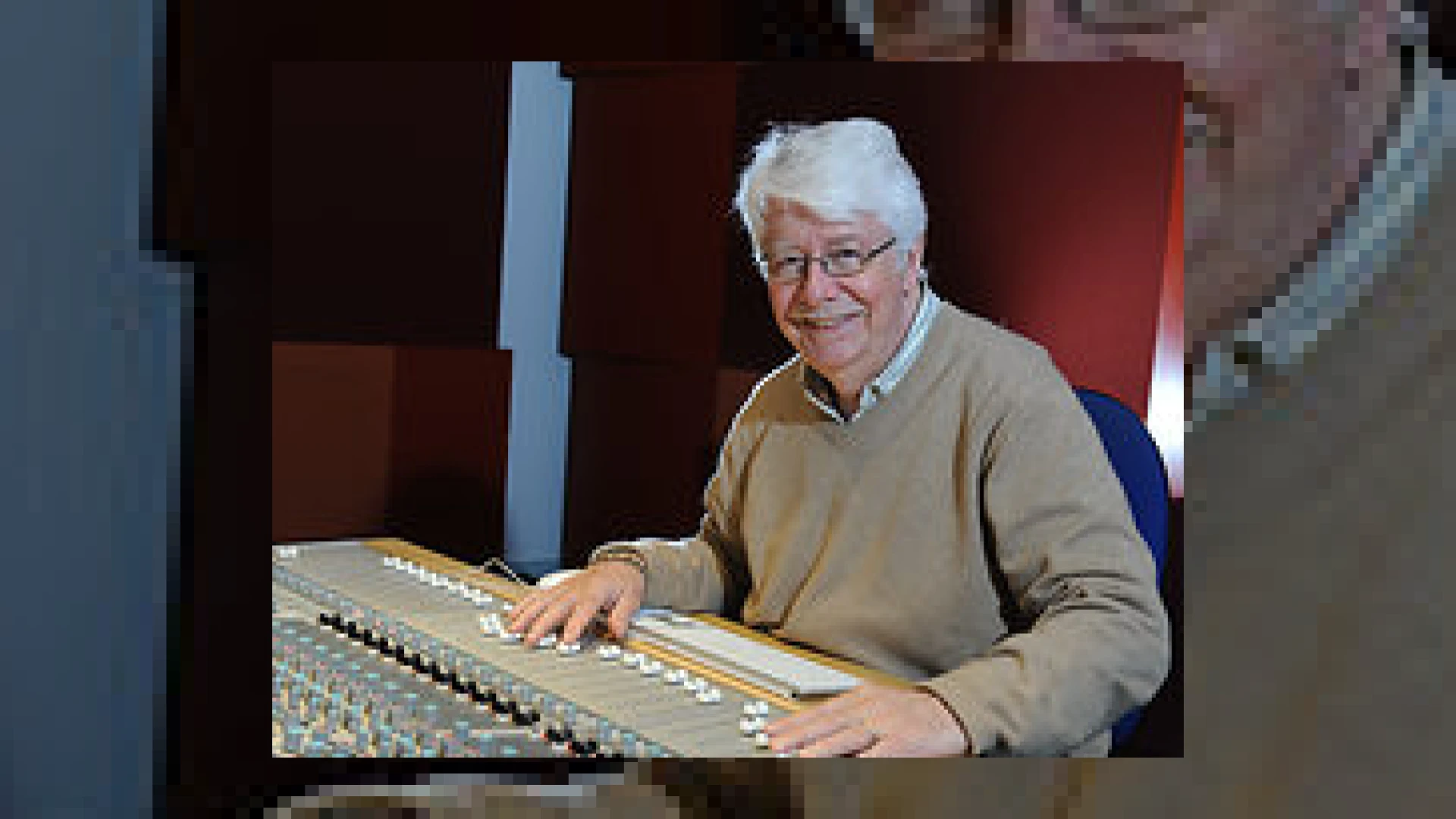
Visual context for Ken Scott to lead 7th Gus Dudgeon Foundation/JAMES summer course.
The intersection of legendary analog recording techniques and modern digital systems is where true audio engineering magic happens. At SM Mastering, we closely monitor landmark educational developments that bridge the gap between golden-era production values and modern digital mastering workflows. The academic audio community is currently celebrating the announcement that ken scott to lead 7th gus dudgeon foundation/james summer course in Leeds. This elite masterclass offers an extraordinary opportunity for the next generation of audio professionals to learn from a true industry giant whose historic credits include engineering and producing iconic records by The Beatles, David Bowie, Elton John, Supertramp, and Pink Floyd.
Deep Dive: ken scott to lead 7th gus dudgeon foundation/james summer course
In today’s fast-paced digital music landscape, mastering the art of hybrid recording remains a highly sought-after capability. With the news of ken scott to lead 7th gus dudgeon foundation/james summer course, twelve exceptionally talented graduating students from JAMES-accredited academic institutions will spend five intensive days tracking and mixing. This course explores the critical balance between analog console saturation and the surgical precision of modern digital editing platforms. For student engineers analyzing these methods, understanding how legendary producers shape transients at the source is invaluable.
As we often emphasize in our educational guides over at SM Mastering Audio Articles, the techniques developed during the late 1960s and 1970s still dictate how we approach modern mastering. Having ken scott to lead 7th gus dudgeon foundation/james summer course guarantees that these foundational methods—such as physical room acoustics exploitation, microphone impedance matching, and dynamic control—are passed down directly to modern producers. Utilizing legendary hardware systems, high-end monitoring, and reference-grade studio microphones from makers like Neumann, the course bridges the gap between classic vibe and modern high-fidelity performance.
This landmark event is heavily supported by the industry’s biggest brands. While preparing for the session, realizing that ken scott to lead 7th gus dudgeon foundation/james summer course involves legendary brands like SSL and PMC helps students realize the standards expected in professional environments. Capturing live performances from top-tier musicians like Steve White (Style Council, Paul Weller) and Matt Deighton (Oasis, Mother Earth) ensures the source material is of pristine quality, which is the ultimate precursor to any successful mastering project.
Session Technical Profile and Resources
To understand the sheer scale of the engineering environment during the week of the summer course, we can examine the physical and educational resources mobilized for the session:
| Name / Component | Use in Session | Est. Price / Value | Industry Rating |
|---|---|---|---|
| Solid State Logic (SSL) Console | Main analog tracking, routing, and summing matrix | $75,000+ | 5/5 (Industry Standard) |
| PMC Monitors | High-resolution control room acoustic playback | $12,000+ | 4.9/5 (Reference Grade) |
| Multi-Track Digital & Analog Systems | Hybrid recording capture and classic tape simulation | Varies by System | 4.8/5 (Vintage Warmth) |
| GDF/JAMES Course Registration | Fully-funded elite graduate placement | Sponsored / Free | 5/5 (Elite Educational) |
Practical Studio Workflow Tips Inspired by Ken Scott
For those who cannot attend the event but want to capture the legendary sonic footprint associated with the methods taught by Ken Scott, here are several practical studio workflow tips inspired by the principles of the ken scott to lead 7th gus dudgeon foundation/james summer course:
- Commit to the Tone Early: Avoid “decision paralysis” by committing your analog EQ and compression settings during the tracking stage rather than leaving everything to be fixed during the mix or master.
- Optimize Physical Microphone Placement: Spend more time adjusting the distance and angle of your microphones relative to the instrument’s soundboard instead of relying on post-recording surgical digital equalization.
- Leverage Room Dynamics: Use ambient room microphones compressed heavily with a vintage-style limiter to create the massive, organic drum sounds famous on David Bowie’s 1970s records.
- Respect Transient Headroom: When recording to digital systems, keep your input levels averaging around -18 dBFS to emulate the analog headroom sweet spot and preserve dynamic range.
Conclusion
The collaboration between Leeds Beckett University, JAMES, and the Gus Dudgeon Foundation highlights the enduring importance of mentorship in the recording arts. By keeping analog workflows alive in a digital era, this summer course ensures that the technical depth and emotional resonance of classic records continue to inspire future generations of producers. For more deep dives into advanced mixing, acoustics, and mastering engineering strategies, explore our comprehensive resources at SM Mastering.
Frequently Asked Questions
Who is eligible for the Gus Dudgeon Foundation summer course?
The course is specifically designed for the top twelve graduating students selected from JAMES-accredited music technology and audio production courses across the United Kingdom.
What gear is typically featured in these elite sessions?
Sessions leverage a hybrid setup featuring classic SSL analog consoles, high-end PMC monitoring systems, vintage tape machines, and precision studio microphones to teach students the absolute best of both digital and analog recording paradigms.
Who supports the funding for this postgraduate summer course?
The course is generously funded and supported by The Gus Dudgeon Foundation, Leeds Beckett University, and industry sponsors including Solid State Logic (SSL), PMC, and KMR Audio.
Written by SM Mastering
Official content on sound engineering, mixing, mastering, and advanced electronic production by SM Mastering.