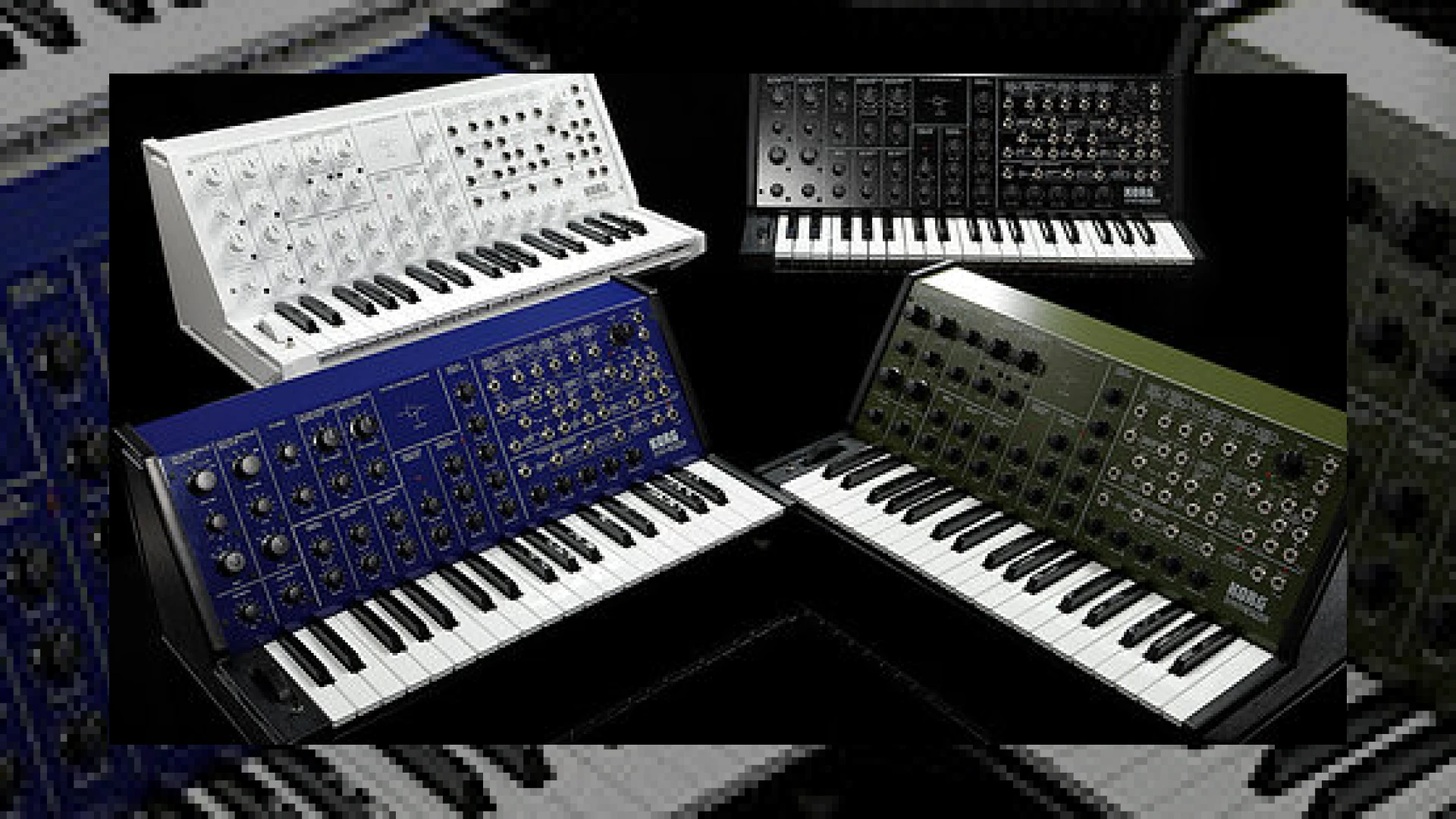
Visual context for Korg re-re-release MS20.
The analog synthesizer market continues to thrive on nostalgia and classic engineering, a trend exemplified by the recent news surrounding the korg re-re-release ms20. Originally launched in 1978, this iconic semi-modular monophonic synthesizer has enjoyed multiple lives. First came the original run, followed by the MS-20 Mini in 2013, a full-size DIY kit later on, and now a pre-assembled, full-size reissue in multiple colors. At SM Mastering, we analyze how these hardware iterations impact modern hybrid production workflows.
Technical Innovations in the Korg Re-Re-Release MS20
In this latest iteration, Korg delivers the MS-20 FS (Full Size), providing purists with the exact physical presence of the original unit. The korg re-re-release ms20 addresses a primary historical debate among synthesists: the filter revision. Early MS-20s featured the aggressive KORG-35 filter (Rev1), while later versions adopted a quieter, OTA-based design (Rev2). This new release includes a toggle switch on the circuit board allowing users to select between these two distinct filter typologies. For mastering engineers looking to process external signals through analog filters, this switch offers unprecedented harmonic versatility.
Modern Connectivity and Studio Integration
Modern studio integration is another area where the korg re-re-release ms20 excels compared to its vintage predecessor. Integrating vintage hardware into a digital audio workstation (DAW) often requires complex CV/Gate converters. However, this reissue features MIDI via both 5-pin DIN and USB. This hybrid connectivity makes it incredibly easy to sequence raw analog basslines from your DAW while monitoring through high-end digital processors like those from iZotope.
When mixing and mastering electronic music, the raw, unpolished grit of the korg re-re-release ms20 can be used as an analog saturator. By routing digital stems out of your interface and into the External Signal Processor (ESP) section, you can harness the unique bandpass filter and envelope follower to add organic texture. For more insights on integrating hardware into your digital workflow, check out our comprehensive guides on the SM Mastering Audio Articles portal.
Specifications Table
| Name | Use | Price | Rating |
|---|---|---|---|
| Korg MS-20 FS | Analog Synthesis, External Signal Processing, Sound Design | $1999 | 4.8 / 5.0 |
Practical Studio Workflow Tips
- The ESP Saturation Trick: Route a clean digital drum loop into the External Signal Processor (ESP) input. Adjust the threshold and bandpass filters to inject vintage analog grit directly into your mix.
- Filter Sweeps for Transitions: Use the Rev1 (KORG-35) filter option for aggressive, screaming high-pass sweeps, or switch to Rev2 for smoother, warmer low-pass filtering on basslines.
- Dual-Filter Processing: Run external synthesizers through both the low-pass and high-pass filters in series to isolate specific frequency bands with resonance, adding presence that digital EQs struggle to replicate.
Conclusion
The Korg MS-20 FS represents a brilliant bridge between classic analog sound design and modern production reliability. By delivering a pre-assembled, full-scale instrument with switchable filter revisions and modern MIDI capabilities, Korg has provided electronic music producers with a timeless tool that sounds as vital today as it did in 1978.
Frequently Asked Questions
What is the difference between the original MS-20 and this new release?
The new MS-20 FS is a pre-assembled, full-size reissue that includes both the early (Rev1) and late (Rev2) filter designs, switchable via an internal control. It also adds modern MIDI via USB and 5-pin DIN connections, which were absent on the 1978 original.
Does this reissue come in different colors?
Yes, for the first time, Korg is offering this full-size reissue in four distinct color schemes: the original black livery, a clean white finish, metallic blue, and a khaki green option.
Can I use the MS-20 FS to process external audio signals?
Absolutely. The built-in External Signal Processor (ESP) allows you to route external instruments, vocals, or digital stems through the synth’s filters and envelope followers to add authentic analog warmth and distortion.
🛒 Official Product Info & Where to Buy
Check full technical specs, pricing, and purchase options directly from the official manufacturer or authorized dealer for Korg re-re-release MS20.

Written by SM Mastering
Official content on sound engineering, mixing, mastering, and advanced electronic production by SM Mastering.