The digital audio workstation landscape has experienced a monumental shift with the release of Universal Audio’s custom recording environment. For those eager to see its real-world application, our engineering team at SM Mastering has curated an in-depth walkthrough. If you want to understand how this hybrid system integrates with Apollo interfaces, explore the features of luna by ua: watch our exclusive video to discover how it alters the modern hybrid mixing pipeline.
Optimizing Your Hybrid Mix with LUNA by UA: watch our exclusive video
At SM Mastering, we prioritize transient detail, phase coherence, and dynamic range. When reviewing this production suite, we discovered that its integrated Neve summing and multitrack tape emulations offer unparalleled analog-style warmth directly inside the digital domain. To see these modules engaged on a complex drum buss, look no further than our analysis of luna by ua: watch our exclusive video where we dissect the harmonic saturation profiles and headroom characteristics of the platform.
Unlike traditional software hosts, this environment runs on an advanced hardware-DSP integration engineered by Universal Audio. This allows for Accelerated Realtime Monitoring (ARM), which is a game-changer for tracking engineers who want near-zero latency without managing complex external console applications. If you want to master this tracking workflow seamlessly, our guide on luna by ua: watch our exclusive video demonstrates how to configure your hardware inputs for pristine, latency-free performance.
When preparing a pre-master mix output from this workstation, audio engineers must be mindful of headroom and master fader calibration. In our technical review of luna by ua: watch our exclusive video, we highlight the exact metering practices and loudness monitoring setups required to prepare your files for professional mastering services. Achieving the perfect balance before the mastering stage ensures your music translates beautifully across all listening systems.
Technical Specifications and Integration Matrix
To help you understand the core processing capabilities of the LUNA system, we have compiled a specifications table detailing its primary components, typical studio applications, pricing structure, and our professional rating:
| Component Name | Primary Use | Price | Professional Rating |
|---|---|---|---|
| LUNA Recording System | Multitrack Recording, Editing & Mixing | Free (for compatible UA hardware owners) | 4.8 / 5.0 |
| Neve Summing Extension | Console Bus Saturation & Crosstalk Emulation | $299 (often bundled) | 4.9 / 5.0 |
| Studer A800 Tape | Channel-level Saturation & Transient Smoothing | $349 (individual purchase) | 4.7 / 5.0 |
| API Vision Console | End-to-end Channel Strip Processing | $299 | 4.8 / 5.0 |
Practical Studio Workflow Tips
- Utilize ARM for Tracking: Always keep Accelerated Realtime Monitoring enabled when tracking vocals or live instruments to utilize the onboard DSP without round-trip latency.
- Gain Stage with Tape Emulation: Insert the Studer A800 extension directly into your channel inputs. Keep the input levels hitting the tape VU meters around -18 dBFS to ensure clean, warm harmonic saturation without digital clipping.
- Organize Mix Busses for Summing: Route your tracks into dedicated master stems (Drums, Vocals, Instruments, Bass) before sending them to the main stereo out. Apply Neve or API summing to these stems to recreate classic console crosstalk.
We highly recommend setting up your default session templates to mirror an analog desk workflow; for a visual guide on executing this configuration within luna by ua: watch our exclusive video, we configure a hybrid mastering session from scratch to show you the optimal routing pathways.
Conclusion
Universal Audio has successfully bridged the gap between tactile analog workflow and digital convenience. By integrating console summing, tape emulation, and zero-latency DSP monitoring into a single unified workspace, they have delivered an incredibly cohesive platform for modern music creators. For more deep-dive analyses on digital workstations, signal processors, and specialized mastering tutorials, visit our extensive knowledge base at SM Mastering Audio Articles.
Frequently Asked Questions
Does LUNA require Universal Audio hardware to run?
While LUNA was originally exclusive to Thunderbolt Apollo and Arrow interfaces, Universal Audio has updated the software to run natively on macOS without UA hardware. However, utilizing Apollo hardware unlocks zero-latency tracking via Accelerated Realtime Monitoring (ARM).
How does Neve Summing differ from a standard utility plugin?
Unlike standard utility plugins inserted on a bus, the Neve Summing extension is built directly into LUNA’s mixer architecture. This models the exact impedance, non-linearities, and analog crosstalk of classic consoles, providing a more cohesive glue across your mix stems.
Can I use third-party AU and VST plugins within the workspace?
Yes, LUNA fully supports third-party Audio Units (AU) plugins. You can run your favorite processing tools alongside native extensions and UAD DSP plugins without any system-level compatibility issues.
🛒 Official Product Info & Where to Buy
Check full technical specs, pricing, and purchase options directly from the official manufacturer or authorized dealer for LUNA by UA: watch our exclusive video.
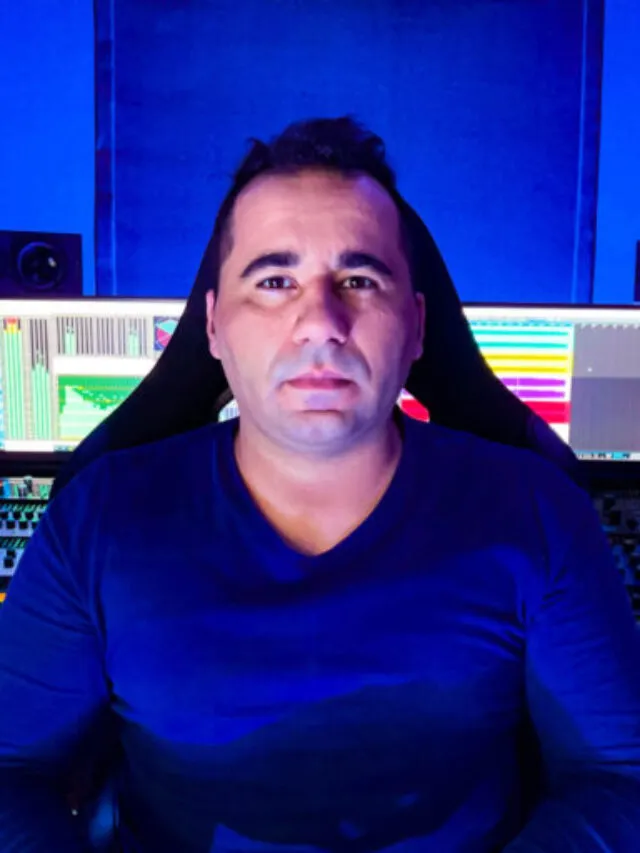
Written by SM Mastering
Official content on sound engineering, mixing, mastering, and advanced electronic production by SM Mastering.