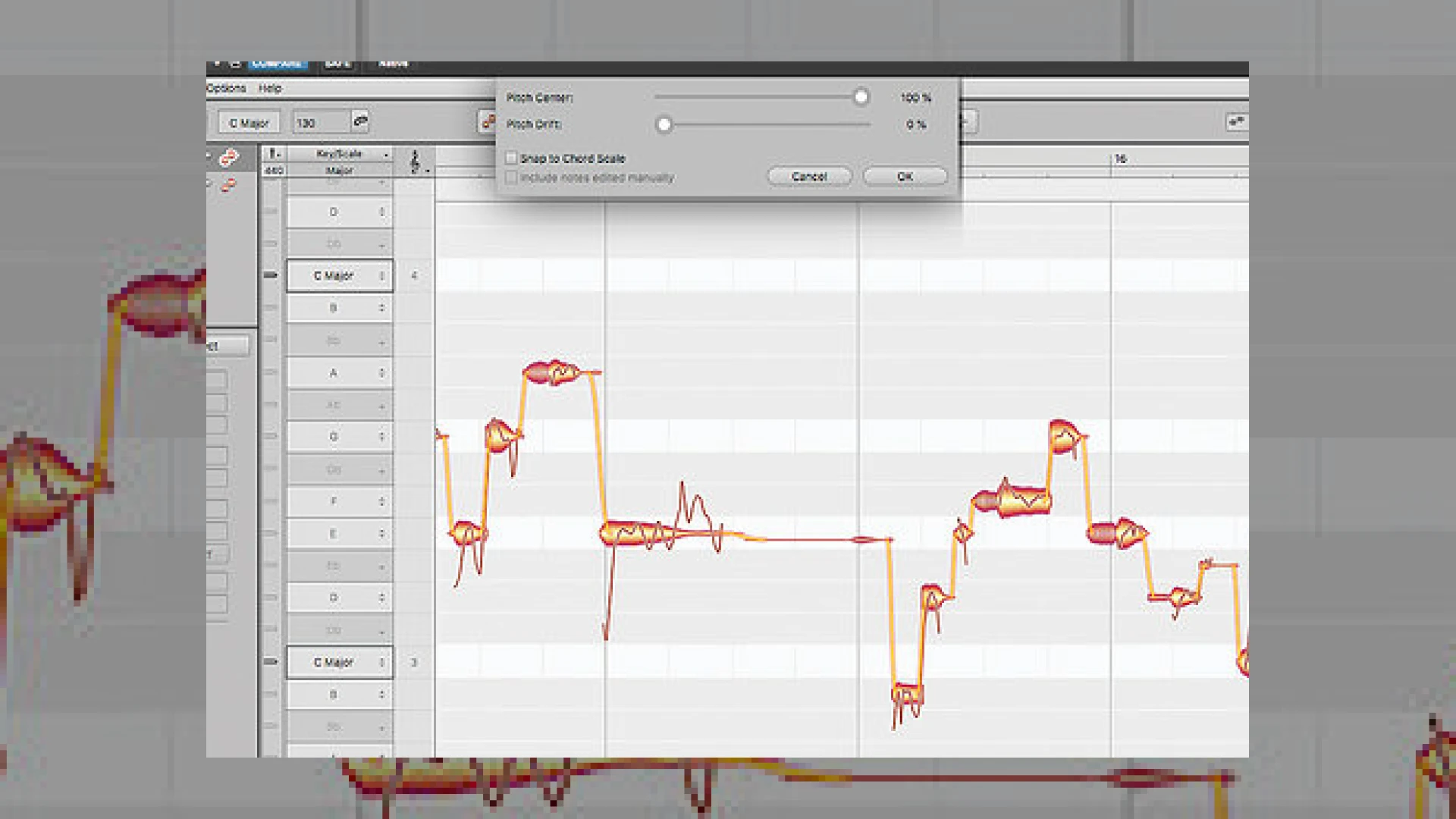
Visual context for Melodyne 5 unveiled.
The landscape of modern vocal tuning and audio editing has shifted once again. Here at SM Mastering, we closely monitor every software milestone that impacts our post-production chain, and the industry stood still when Celemony’s melodyne 5 unveiled a suite of revolutionary processing tools. This major update completely redefines how we approach pitch correction, sibilance management, and harmonic editing. By separating noise-like components from pitched elements, it delivers an unprecedented level of transparency that was previously impossible to achieve without extensive manual restoration.
The Technical Revolution: How Melodyne 5 Unveiled New Algorithms
At the heart of this version is the newly developed Melodic algorithm. When melodyne 5 unveiled this technology, engineers immediately recognized the power of automatic sibilance detection. Instead of manually carving out essays, fricatives, and breath sounds, the software detects non-pitched elements and separates them from the pitched vocal tract. This allows you to apply precise pitch correction to the vocal notes while leaving the sibilants entirely untouched, preserving natural vocal textures. For those who pair this tool with external processors like iZotope RX or various dynamic equalizers, the workflow acceleration is monumental.
In addition to vocal correction, the integration of a dedicated Chord Track and Chord Grid brings a deeper musical intelligence to the editing bay. It is clear that with melodyne 5 unveiled, Celemony wanted to bridge the gap between technical pitch correction and music theory. The software’s advanced chord recognition technology automatically detects the key and harmonic structure of your tracks, allowing even complex polyphonic arrangements to be edited in perfect alignment with your project’s chord progression. For more deep dives into advanced studio techniques, check out our comprehensive library of guides at SM Mastering Audio Articles.
Dynamics editing has also received a massive boost. The introduction of the Fade Tool and Levelling Macro allows engineers to adjust the volume and dynamics of individual notes, even within highly complex polyphonic audio files. Indeed, having melodyne 5 unveiled such precise micro-dynamic control means you can seamlessly balance a performance before it even hits your compressor chain. It resolves the classic issue of correcting a singer’s pitch deviation without destroying their natural vibrato, keeping the performance emotionally resonant and technically flawless.
Specifications & Versions
Celemony offers different tiers of their landmark software to suit different budgets and workflow needs. Below is a breakdown of the specifications across the product lineup:
| Name | Use | Price | Rating |
|---|---|---|---|
| Melodyne 5 Studio | Full multi-track editing, complete polyphonic audio manipulation (DNA) | $699 / €699 | 4.9 / 5.0 |
| Melodyne 5 Editor | Single-track polyphonic pitch, timing, and harmonic editing | $399 / €399 | 4.7 / 5.0 |
| Melodyne 5 Assistant | Monophonic pitch and timing correction with full editor tools | $249 / €249 | 4.5 / 5.0 |
| Melodyne 5 Essential | Basic pitch and timing corrections with core Melodic algorithm | $99 / €99 | 4.2 / 5.0 |
Practical Studio Workflow Tips
- Master the Sibilant Balance: Use the dedicated sibilant balance tool to attenuate harsh sibilance directly within the plugin. This creates a much smoother feed into your downstream analog or digital compressors.
- Utilize the Levelling Macro: Save time during vocal editing by running the Levelling Macro first. This helps to even out volume variances between words and syllables naturally before you reach for a volume fader.
- Exploit ARA 2 Integration: Always run Melodyne as an ARA 2 plugin if your DAW supports it. This removes the need to transfer audio in real-time, letting you edit dynamically and keep your session files perfectly synced.
Conclusion
Ever since melodyne 5 unveiled its latest engine updates, it has secured its place as an indispensable tool in high-end mixing and mastering environments. The level of transparency, timing precision, and harmonic flexibility offered by Celemony ensures that your productions sound incredibly polished while maintaining the natural, human character of the original performance.
Frequently Asked Questions
Does Melodyne 5 work in real-time within my DAW?
Yes, Melodyne 5 can run as a standard real-time insert plugin. However, for the most efficient workflow, using a DAW that supports the ARA 2 (Audio Random Access) protocol is highly recommended as it eliminates the need for manual audio transfers.
Can Melodyne 5 edit polyphonic instruments like guitars and pianos?
Yes. With the Editor and Studio editions, you get access to Celemony’s patented DNA (Direct Note Access) technology, which allows you to edit individual notes within polyphonic audio recordings like acoustic guitars, pianos, and choirs.
What is the difference between Melodyne 5 and older versions?
Melodyne 5 introduces the revolutionary Melodic algorithm which separates pitched sounds from unpitched sibilants, a dedicated Chord Track, a new Fade Tool, a Levelling Macro, and optimized search/shortcut functions for a much faster editing workflow.
🛒 Official Product Info & Where to Buy
Check full technical specs, pricing, and purchase options directly from the official manufacturer or authorized dealer for Melodyne 5 unveiled.

Written by SM Mastering
Official content on sound engineering, mixing, mastering, and advanced electronic production by SM Mastering.