The global music technology industry turned its eyes to Frankfurt this week, and the unveiling at messe 2018: nord piano 4 marks a significant milestone for performing pianists and studio engineers alike. As mastering engineers who meticulously analyze transience, dynamic range, and frequency balance, we immediately recognize when a manufacturer makes a substantial leap forward. The fourth generation of Nord’s acclaimed stage piano series does not simply polish its predecessor’s features; it introduces essential structural, tactile, and algorithmic updates designed to satisfy the most demanding acoustic environments.
Our team at SM Mastering attended an exclusive off-site preview of the instrument, exploring its updated sound engine and refined physical design. By combining an expanded 120-voice polyphony with their innovative Triple Sensor keybed, Nord has addressed the delicate relationship between tactile execution and digital reproduction. For a deeper look at industry-standard hardware and software integrations, feel free to explore our collection of SM Mastering Audio Articles.
Exploring the Engineering Behind Messe 2018: Nord Piano 4
The primary technological leap in the **messe 2018: nord piano 4** lies within its control layout and memory management. Nord has integrated dedicated Piano Filters alongside Split Point Crossfades, resolving a long-standing challenge for live performers. The Split Point Crossfades allow smooth transitions between split zones on the keyboard, preventing the jarring tonal shifts historically associated with zone boundaries. No longer will a performer experience abrupt timbral transitions when shifting a bass patch upward into the midrange register.
Furthermore, the Sample Synth section has received a monumental upgrade. By doubling the memory capacity of the sample architecture to 512MB, users can load more detailed multisamples from the Nord Sample Library 3.0. When analyzing the **messe 2018: nord piano 4** from a mixing perspective, the increased memory yields richer sustain stages and more complex harmonic overtones. To capture these acoustic nuances perfectly in your tracking sessions, we recommend pairing the stage piano with high-quality studio microphones, such as those manufactured by Neumann, to ensure every harmonic transient is preserved.
Technical Specifications and Performance Metrics
To understand where this instrument sits in the current market, let us examine its core specifications and target applications:
| Name | Use | Price | Rating |
|---|---|---|---|
| Nord Piano 4 | Professional Stage & Studio Performance | Approximately €2,700 | 4.8 / 5 |
Practical Studio Workflow Tips
Integrating the **messe 2018: nord piano 4** into a professional studio environment requires a solid understanding of its output staging and tactile response. The physical keybed of the **messe 2018: nord piano 4** utilizes Nord’s Virtual Hammer Action Technology, which closely mimics the mechanical movement of an acoustic grand piano. Here are three practical tips to optimize your studio workflow with this instrument:
- Utilize the Numeric Pad Mode: In high-pressure session work, speed is critical. Use the newly refined Organize Mode and Numeric Pad Mode to jump directly to your custom presets without scrolling through banks sequentially.
- Leverage the Creative Filters: Instead of relying entirely on post-tracking EQ, use the onboard physical Piano Filters (Bright, Mid, and Soft) to shape the sound at the source. This ensures that your performance dynamics interact naturally with the altered frequency profiles.
- Track with Split Crossfades: When tracking complex arrangements involving dual-timbre patches, enable split crossfades. This produces a vastly more organic stereo image that sits beautifully in a dense mix without requiring heavy automated panning or volume rides.
Conclusion
Ultimately, the performance capabilities of the **messe 2018: nord piano 4** set a new standard for stage pianos. By addressing real-world workflow challenges—such as memory limitations, split transition roughness, and real-time tonal filtering—Nord has built a highly expressive instrument. From stage to mastering suite, its sonic footprint remains clean, detailed, and highly adaptable.
Frequently Asked Questions
What is the main difference between the Nord Piano 3 and the Nord Piano 4?
The Nord Piano 4 introduces dedicated physical Piano Filters, Split Point Crossfades for seamless zone transitions, an expanded 120-voice polyphony, and double the Sample Synth memory (512MB compared to 256MB on the Piano 3).
How does the Virtual Hammer Action Technology impact recording?
This technology physically emulates the dynamic key response and hammer bounce of a grand piano. In a recording session, this allows the pianist to perform with precise velocity control, resulting in more natural midi velocity curves and richer acoustic modeling behaviors.
When was the instrument released and what is its estimated retail value?
Unveiled at Musikmesse in spring 2018, the instrument began shipping in the summer of 2018. It launched with an expected retail price tag of approximately €2,700, aligning it with the premium tier of professional hardware keyboards.
🛒 Official Product Info & Where to Buy
Check full technical specs, pricing, and purchase options directly from the official manufacturer or authorized dealer for Messe 2018: Nord Piano 4.
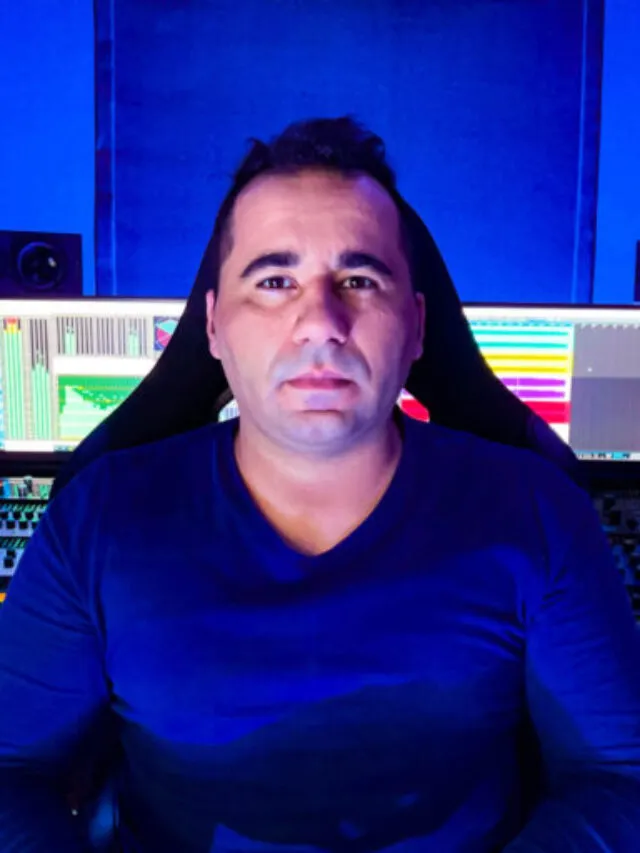
Written by SM Mastering
Official content on sound engineering, mixing, mastering, and advanced electronic production by SM Mastering.