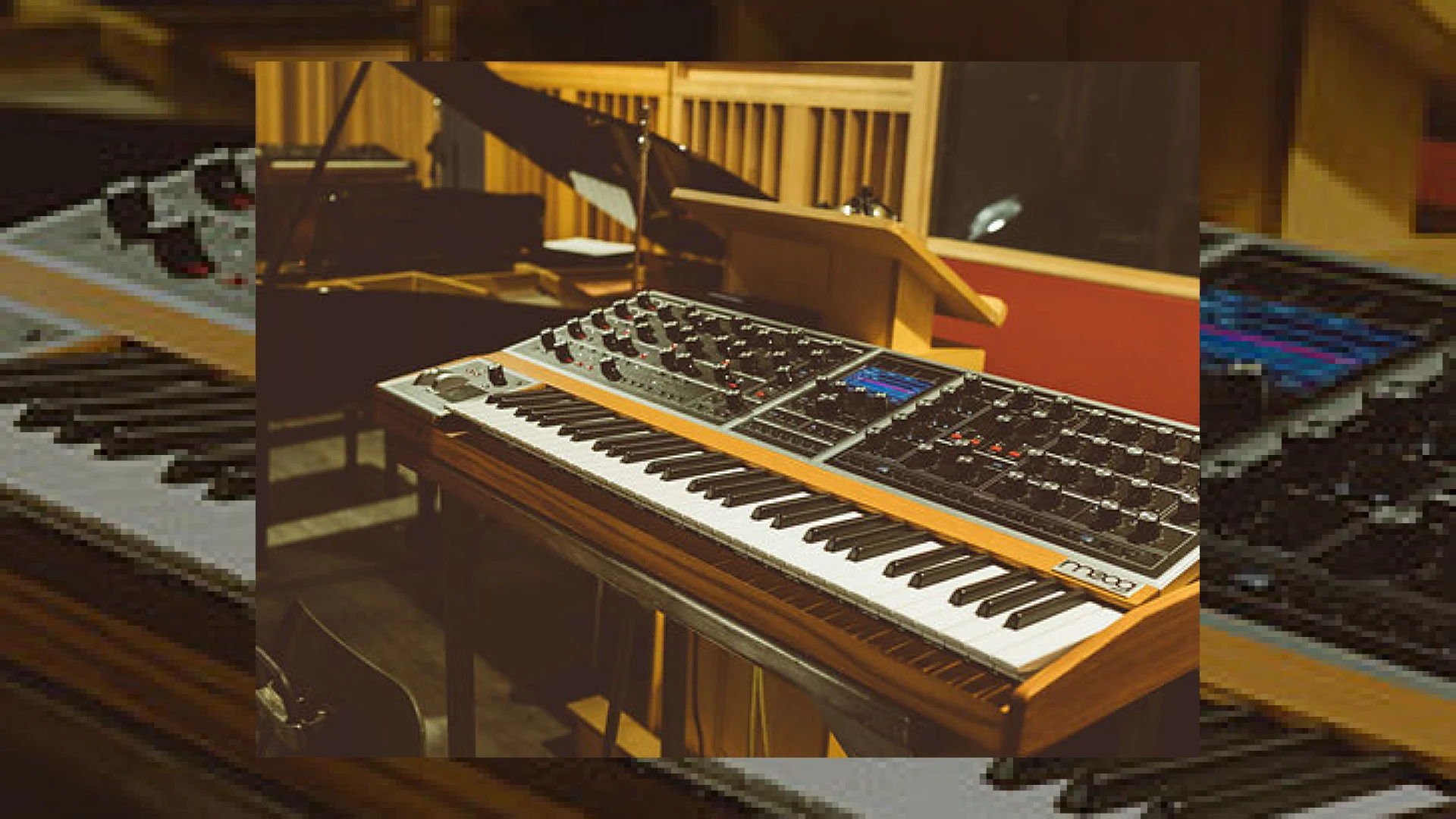
Visual context for Moog One polysynth officially launched.
The analog synthesis community is experiencing an unprecedented renaissance now that the Moog One polysynth officially launched. As mastering engineers at SM Mastering, we constantly seek out audio tools that offer unparalleled harmonic complexity, high dynamic range, and rich sonic weight. The arrival of Moog’s new flagship instrument represents not just a typical hardware release, but a monumental shift in the electronic music landscape. This dream machine is the culmination of years of rigorous research and development, bringing high-end analog polyphony back into the modern production environment.
For mastering engineers and producers alike, the news that the Moog One polysynth officially launched represents a paradigm shift in spatial analog depth. Over thirty years have passed since Moog’s last polyphonic analog synthesizer, the Polymoog, and this new release makes a massive statement. Moog Music embarked on its most ambitious engineering design project to date to deliver an instrument that effortlessly bridges the gap between classic vintage warmth and highly flexible, modern digital control systems.
Why the Moog One Polysynth Officially Launched to Critical Acclaim
Indeed, when the Moog One polysynth officially launched, it marked Moog’s triumphant return to the top tier of synthesizer architecture. Featuring a tri-timbral analog engine, users can easily split or layer three independent synthesizers across a single 61-note Fatar keyboard. Each voice features three newly designed triangle-core voltage-controlled oscillators (VCOs), an advanced analog noise generator, dual independent analog filters (the classic Moog Ladder filter and a highly versatile state-variable filter), four low-frequency oscillators (LFOs), and three envelope generators. This extensive physical voice architecture provides electronic musicians and sound designers with an infinite canvas of sonic possibilities.

Additional product view and interface angle for Moog One polysynth officially launched.
Many professional synthesists wondered what the industry landscape would look like after the Moog One polysynth officially launched, and the consensus is clear: it is an absolute masterpiece of audio engineering. Integrating this powerful system into a modern hybrid studio setup requires careful attention to detail. Recording three separate multi-timbral layers can quickly crowd a stereo mix if not handled correctly. Ensuring your input gain staging is correct is crucial, especially now that the Moog One polysynth officially launched with such massive dynamic range output options that can easily clip lesser converters.
Moog One Technical Specifications
| Name | Use | Price | Rating |
|---|---|---|---|
| Moog One (16-Voice) | Flagship Tri-Timbral Analog Polysynth | $7,999.00 | 4.9 / 5.0 |
| Moog One (8-Voice) | Professional Analog Polysynth | $5,999.00 | 4.7 / 5.0 |
Practical Studio Workflow & Mastering Tips
- Multitrack via Individual Outputs: Utilize the physical individual outputs on the rear panel of the Moog One to route each of the three multitonal layers to independent channels in your DAW. This allows for precise EQing and panning before summing.
- High-Headroom Preamplifiers: Connect the main stereo outputs of the Moog One to premium audio interfaces or discrete preamps from reputable manufacturers like Universal Audio. This ensures that the dense analog transients and sub-bass frequencies are preserved without unwanted digital clipping.
- Dynamic Low-End Management: Dense analog polyphonic patches can easily accumulate excessive energy in the low-mid frequencies (150Hz – 300Hz). Use a dynamic equalizer to control these frequencies during complex chord progressions rather than carving them out completely with static filters.
- Phase Alignment in Stereo Tracks: Because the onboard modulation options are incredibly deep, ensure you check the phase correlation of your stereo synth tracks during the mixing and mastering stage to prevent center-channel cancellation.
To learn more about how we process complex, high-energy analog synthesizers and hardware units during the audio post-production phase, be sure to read our detailed engineering guides over at SM Mastering Audio Articles.
Conclusion
The Moog One is a triumph of modern synthesis. By combining classic analog topologies with advanced digital control, Moog has created a flagship synth that will define the sound of electronic music, film scoring, and sound design for decades to do. While its price tag and physical size make it a serious investment, the depth of its sound engine and its sheer musicality make it a modern classic.
Frequently Asked Questions
What makes the Moog One unique compared to vintage Moog polyphonic synths?
Unlike vintage predecessors like the Memorymoog or Polymoog, the Moog One features a highly advanced, tri-timbral digital control system over pure analog circuitry. This allows for modern conveniences such as patch saving, digital effects processing, complex event modulation matrices, and event sequencing, while maintaining an uncompromised analog signal path.
Is the Moog One available in different voice configurations?
Yes, the Moog One is officially available in both 8-voice and 16-voice configurations. The unit’s voice count is determined by its internal hardware boards. Users who purchase the 8-voice version can later upgrade their unit to a full 16-voice model via an authorized service center upgrade kit.
How does the tri-timbral architecture work?
The tri-timbral architecture essentially means that the Moog One houses three independent analog synthesizers inside a single chassis. Each of the three synths can be assigned its own sequencer, arpeggiator, voice allocation, audio effects, and physical audio outputs, allowing for complex layer splits across the keybed.
🛒 Official Product Info & Where to Buy
Check full technical specs, pricing, and purchase options directly from the official manufacturer or authorized dealer for Moog One polysynth officially launched.
Written by SM Mastering
Official content on sound engineering, mixing, mastering, and advanced electronic production by SM Mastering.