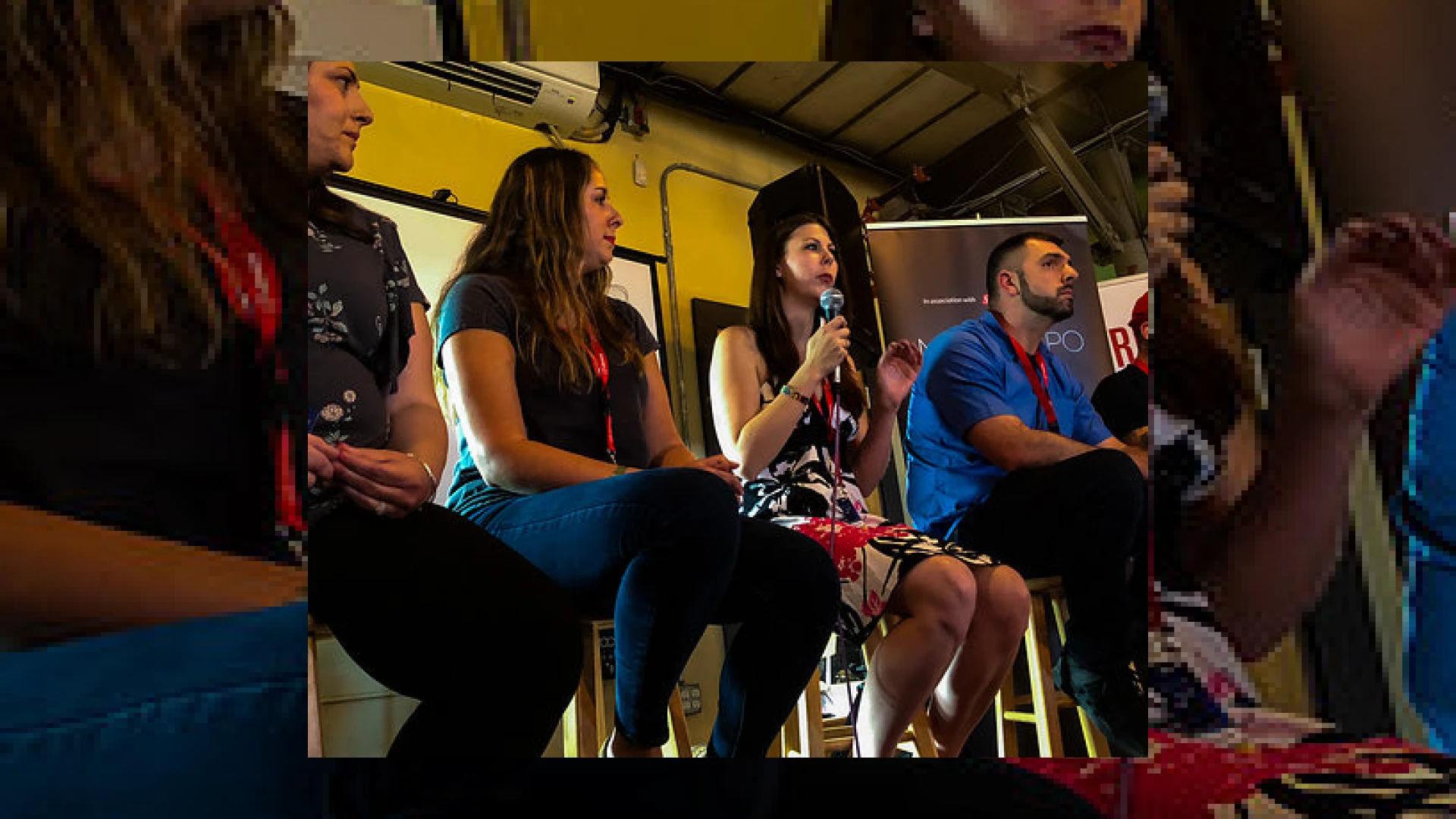
Visual context for Music Expo Boston is a huge hit.
The second consecutive sold-out run of the annual East Coast gathering has sent shockwaves through the regional recording community, confirming once again that music expo boston is a huge hit for the East Coast audio production community. Hosted by The Record Co. and presented in partnership with Sound On Sound, the event drew an enthusiastic crowd of producers, mastering engineers, sound designers, and independent artists. As mastering engineers, we continuously look for regional epicenters where technical excellence and artistic innovation intersect. This event proved to be the perfect catalyst for such discussions, facilitating deep dives into hybrid analog-digital workflows and modern acoustic engineering.
Why Music Expo Boston is a Huge Hit
The success of this year’s event lies in its highly curated, practitioner-focused programming. By bringing together over 30 top-flight speakers—including Grammy Award-winning producers, mixing engineers, and industry leaders—the event created an educational bridge that is rare to find outside of major industry hubs like Los Angeles or Nashville. It became incredibly clear that music expo boston is a huge hit because of how it bridges the gap between bedroom producers and major label professionals. Attendees engaged in technical panels covering topics from advanced low-end management in small rooms to the nuances of collaborative remote mastering workflows.
In addition to masterclasses, the exhibition floor showcased some of the finest tools currently shaping the industry. High-end hardware manufacturers and cutting-edge software developers demonstrated their latest releases. With incredible hardware and software giveaways, attendees quickly realized that music expo boston is a huge hit for those looking to expand their technical toolsets. Prizes included premium equipment from industry heavyweights, allowing independent creators access to tools like iZotope Ozone, Prism Sound convertors, and Steinberg interfaces.
Featured Gear & Technical Specifications
During the exhibition, several standout tools were highlighted for their exceptional integration into modern hybrid studio setups. Below is a specification breakdown of the key studio gear featured in the interactive exhibition spaces and masterclasses:
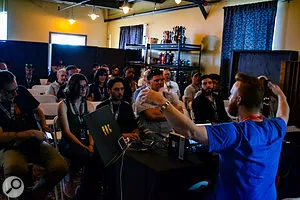
Additional product view and interface angle for Music Expo Boston is a huge hit.
| Name | Use | Price | Rating |
|---|---|---|---|
| Prism Sound Lyra 2 | Reference AD/DA Conversion & Audio Interface | $2,499.00 | 4.9/5 |
| iZotope Ozone (Advanced) | AI-Assisted Audio Mastering Suite | $399.00 | 4.8/5 |
| Steinberg UR-RT2 | USB Audio Interface with Neve Transformers | $349.00 | 4.5/5 |
| IK Multimedia iLoud Micro | Ultra-Compact Studio Reference Monitors | $299.00 | 4.6/5 |
Practical Studio Workflow Tips from the Show Floor
The panel discussions yielded incredible technical insights that can be directly applied to your daily tracking, mixing, and mastering setups. At SM Mastering, we believe that understanding these cross-disciplinary methods is key, which explains why music expo boston is a huge hit among modern sound engineers. Here are some actionable workflow tips formulated from the masterclasses:
- Optimize Gain Staging for Analog Emulations: Many engineers highlighted the importance of keeping input levels around -18 dBFS when using plugins that emulate vintage hardware. This ensures you hit the “sweet spot” of the emulated circuitry without introducing harsh digital clipping.
- Embrace Hybrid Monitoring: Utilize compact, high-accuracy monitors like the IK Multimedia iLoud series alongside your main reference monitors to check mid-range translation, simulating how consumers hear music on smaller portable devices.
- Collaborate Early in the Production Chain: As discussed in The Record Co.’s panel, keeping an open channel of communication between the mixing engineer and the mastering house early in the project prevents phase issues and excessive bus limiting problems later on.
If you want to dive deeper into advanced mixing configurations, hybrid routing, or room acoustics, feel free to explore our comprehensive resource library over at SM Mastering Audio Articles.
Conclusion
The energy at this year’s gathering was a testament to the thriving, collaborative spirit of the East Coast music scene. By combining high-level academic theory with practical, hands-on access to top-tier hardware and software, the event has established itself as an indispensable resource. Ultimately, the sheer volume of knowledge shared during the weekend proves that music expo boston is a huge hit and a vital resource for our community. We highly recommend keeping an eye out for their upcoming dates in Nashville and San Francisco to elevate your technical craft.
Frequently Asked Questions
What makes the Music Expo Boston unique compared to other audio conventions?
Unlike massive corporate trade shows, Music Expo Boston focuses heavily on community integration, local collaboration, and highly interactive masterclasses where attendees can interface directly with Grammy-winning engineers in an intimate setting.
How does high-quality AD/DA conversion, like the Prism Sound Lyra, impact mastering?
High-quality converters ensure that the analog-to-digital and digital-to-analog transitions are free of jitter and phase distortion. This transparency allows mastering engineers to make precise EQ and dynamic adjustments based on an accurate acoustic representation of the mix.
Is gain staging still relevant in a 32-bit float digital audio workstation (DAW)?
Yes. While 32-bit float processing prevents digital clipping within the DAW’s internal summing mixer, many analog-modeled plugins are calibrated to operate optimally at specific input levels (usually around -18 dBFS). Proper gain staging keeps your plugins sounding musical and predictable.
Written by SM Mastering
Official content on sound engineering, mixing, mastering, and advanced electronic production by SM Mastering.