Visual context for Mu:zines turns 5.
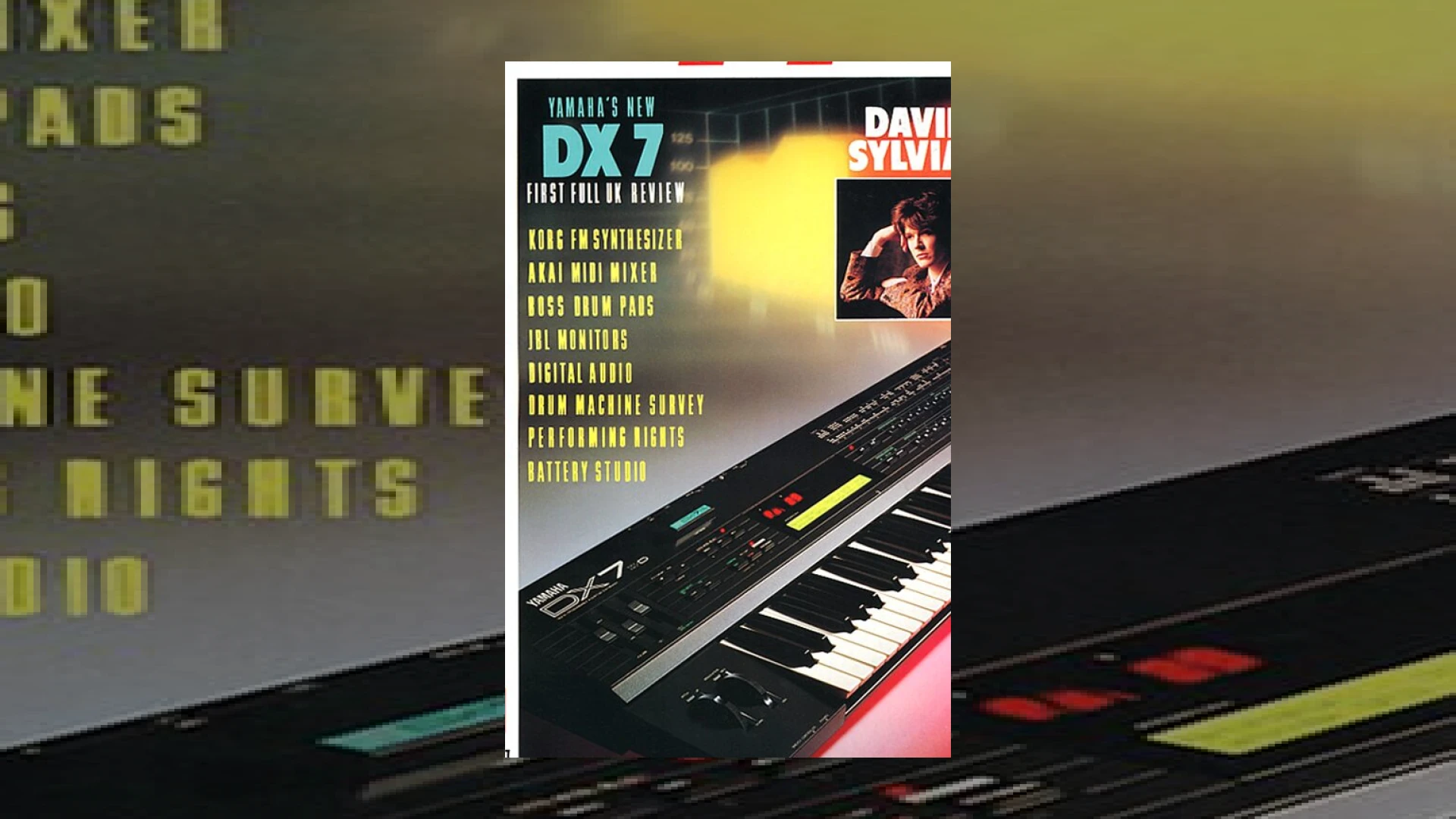
As we look back at the rich heritage of music technology, it is incredibly exciting to celebrate that mu:zines turns 5. For half a decade, this ambitious music magazine archive project has worked tirelessly to preserve the history of music production, equipment reviews, and DIY studio electronics. In those few short years, the platform has successfully collected over 1,000 physical magazines and republished over 400 complete issues. These are presented not just as static scans of the original pages (complete with charming, retro advertisements), but also in fully linked, searchable hypertext formats. This digital preservation allows modern producers to trace the exact lineage of the gear, techniques, and philosophies we use today.
Deep Dive: Why mu:zines turns 5 is a Milestone for Audio Preservation
To appreciate why mu:zines turns 5 is such a massive milestone, we have to look at the massive gap it fills in our collective engineering knowledge. Before the advent of modern DAWs and high-definition digital audio, engineers relied heavily on print media to share technical schematics, mic placement strategies, and hardware modifications. Much of this documentation was lost as physical magazines degraded or were thrown away.
Now that mu:zines turns 5, the project has successfully digitized crucial early eras of music technology journalism. One of their most significant achievements is processing and hosting every single issue of Sound On Sound (SOS) from its very first issue in November 1985 through to December 1992. Because SOS’s own official digital archives only stretch back to 1993, this effort effectively completes the public record of one of the world’s most respected recording publications. Additionally, the project preserves classic titles such as *Electronics & Music Maker*, *Recording Musician*, and *Home Studio Recording*.
Indeed, as mu:zines turns 5, the addition of *Performing Musician* (which ran from 2007 until 2010) to their directory marks a massive win for live sound engineers and gigging instrumentalists. This sister publication to SOS featured articles and equipment reviews written by industry icons like Paul White and Hugh Robjohns.
Preserved Archives and Resources Overview
The sheer volume of technical documentation hosted on the platform is immense. Below is a specification table highlighting some of the key historic titles preserved within the directory.
| Name | Primary Use | Price | Archival Rating |
|---|---|---|---|
| Sound On Sound (1985-1992) | Vintage gear research, early MIDI & sampling techniques | Free / Open Access | 5.0 / 5.0 |
| Performing Musician (2007-2010) | Live sound reinforcement, acoustic stage setups | Free / Open Access | 4.8 / 5.0 |
| Recording Musician | Analog tape recording strategies, classic outboard routing | Free / Open Access | 4.7 / 5.0 |
| Home Studio Recording | Acoustic treatment tutorials and early home studio design | Free / Open Access | 4.6 / 5.0 |
Practical Studio Workflow Tips: Learning From the Past
Studying vintage equipment reviews and studio schematics isn’t just an exercise in nostalgia; it can directly improve your modern mixing and mastering workflow. Here are three practical tips on how to integrate vintage archival knowledge into your current digital studio setup:
- Emulate Original Hardware Limitations: Early manuals and reviews describe how engineers worked around limited track counts and RAM limits. Emulate this by freezing tracks, bouncing with effects committed, or limiting yourself to a single digital delay line to force creative decision-making.
- Trace Analog Lineage: Understanding how early analog hardware behaved helps when using modern emulations from industry pioneers like Universal Audio. Reading the original 1980s reviews of legendary compressors or preamps reveals what issues engineers originally encountered and how they pushed the gear to its limits.
- Adopt Historical Mic Techniques: Vintage magazines are filled with hand-drawn diagrams for micing drums, acoustic guitars, and cabinets. Trying these historical layouts in your modern tracking sessions can yield unique organic textures that stand out in a digital landscape.
As mu:zines turns 5, we highly recommend integrating this historical repository into your routine. To explore more modern mixing guides, mastering deep-dives, and plugin reviews, be sure to read our extensive archive of articles over at SM Mastering Audio Articles.
Conclusion
The preservation of music technology history is vital for the future of audio engineering. By making historical publications searchable, cross-referenced, and accessible to anyone with an internet connection, the creators behind Mu:zines have built an invaluable educational asset. Whether you are searching for the original schematic of a vintage synthesizer, looking for old-school microphone placement ideas, or wanting to read retro advertisements for inspiration, this archive remains an unmatched treasure trove of production history.
Frequently Asked Questions
Why is the Mu:zines archive so important for modern mastering engineers?
Modern mastering engineers frequently work with vintage hardware emulations. Knowing the original specs, common modifications, and historical reviews of those original hardware units allows engineers to make more informed decisions during the mastering stage.
Is the entire Mu:zines library completely free to access?
Yes. The Mu:zines archive is a non-profit, educational historical preservation project. All scans, OCR text conversions, and retro advertisements are fully accessible online to the public at no cost.
What new additions are coming to the archive for its 5th anniversary?
To celebrate their fifth anniversary, the project is introducing scans and searchable text for *Performing Musician*, a highly regarded live-sound and performance magazine that ran from 2007 to 2010, featuring contributions from top-tier audio writers.
Additional product view and interface angle for Mu:zines turns 5.

Written by SM Mastering
Official content on sound engineering, mixing, mastering, and advanced electronic production by SM Mastering.