The landscape of professional vocal production experienced a monumental shift at the Anaheim Convention Center. The industry buzz surrounding namm 2018: antares auto-tune pro has reached a fever pitch, signaling a defining moment for mixing and mastering engineers worldwide. As pioneers who kicked off the pitch correction revolution back in 1997, Antares has consistently defined the sonic signature of modern music. With this latest release, they are not merely updating their flagship software; they are redefining how vocal processing integrates into high-end studio environments.
For years, professionals have balanced the need for transparent pitch correction with the creative demands of modern pop tuning. At the convention floor, the announcement of namm 2018: antares auto-tune pro represented more than a simple update; it was a complete re-imagining of the plugin’s interface and underlying DSP engine. By addressing user workflow bottlenecks and introducing smarter detection algorithms, Antares has bridged the gap between rapid, real-time correction and surgical, graph-based editing.
The Technical Advancements of NAMM 2018: Antares Auto-Tune Pro
At the core of this release is a complete aesthetic and functional redesign. Engineering teams at SM Mastering have closely analyzed how namm 2018: antares auto-tune pro improves modern hybrid workflows. The user interface has been split into two primary views: Basic and Advanced. This allows tracking engineers to quickly set key parameters during fast-paced recording sessions, while mix and mastering specialists can toggle the Advanced view to access deeper MIDI modulation, scale editing, and vibrato controls.
Furthermore, the integration of Auto-Key—a companion plugin designed to automatically detect music keys and scales—drastically reduces setup time. When loaded on an instrumental track, Auto-Key detects the scale and transmits that information directly to all active instances of Auto-Tune Pro in your DAW. This seamless communication works hand-in-hand with external DSP platforms like Universal Audio, ensuring low-latency monitoring during critical tracking stages.
Another major highlight is the return of the legendary “Classic Mode.” This mode revives the specific algorithmic algorithm of Auto-Tune 5, which defined the aggressive, hard-tuned vocal aesthetic of the mid-2000s. By incorporating the deep-dive tutorials found in our SM Mastering Audio Articles, producers can quickly master the classic controls revived in namm 2018: antares auto-tune pro.
Specifications & Technical Profile
To understand where this plugin fits into your current workflow, here is a detailed breakdown of its specifications and system requirements:
| Specification | Details |
|---|---|
| Product Name | Antares Auto-Tune Pro |
| Primary Use | Real-time Pitch Correction, Graphical Pitch Editing, Vocal Effects |
| Key Features | Auto-Key Scale Detection, Classic Mode, ARA Support, Retune Speed Controls |
| Format Support | VST3, AU, AAX Native (64-bit compatible) |
| Estimated Retail Price | $399 USD (Upgrade pricing available) |
| SM Mastering Rating | 4.8 / 5.0 Stars |
Practical Studio Workflow Tips
- Use Auto-Key to Avoid Tuning Clashes: Always insert the Auto-Key plugin on your master instrument bus or main chord progression track first. Send the detected scale to your Auto-Tune Pro instances with a single click to prevent note conflicts.
- Leverage ARA (Audio Random Access): In compatible DAWs like Logic Pro X or Studio One, utilize ARA mode to edit vocals in Graph Mode instantly without needing to play the audio through the plugin in real-time first.
- Balance Retune Speed for Transparency: For natural-sounding master-ready vocals, set your Retune Speed between 20ms and 50ms. Use the Flex-Tune knob to allow the singer’s natural expressive pitch variations to pass through untouched.
Conclusion
Ultimately, the launch at namm 2018: antares auto-tune pro solidifies Antares’ position as the industry benchmark for pitch correction. The combination of a streamlined interface, the inclusion of Auto-Key, and the nostalgic return of the Classic Mode algorithm makes this tool indispensable for modern audio professionals. Whether you are prepping a track for commercial streaming or polishing a delicate acoustic performance, Auto-Tune Pro delivers both the surgical precision and creative character required in professional music production today.
Frequently Asked Questions
What is the difference between Auto-Tune Pro and previous versions?
Auto-Tune Pro introduces a completely redesigned user interface with Auto-Key automatic scale detection, ARA (Audio Random Access) compatibility for faster graphical editing, and the return of the iconic “Classic Mode” algorithm from Auto-Tune 5.
Can I use Auto-Tune Pro for live performances?
Yes. Auto-Tune Pro features an ultra-low latency mode specifically designed for live tracking, broadcast, and real-time stage performances, allowing vocalists to monitor their tuned signal with no audible delay.
Is Auto-Tune Pro compatible with all major DAWs?
Yes, Auto-Tune Pro supports VST3, AU, and AAX formats on both macOS and Windows, making it fully compatible with Pro Tools, Logic Pro X, Ableton Live, Cubase, Studio One, and Reaper.
🛒 Official Product Info & Where to Buy
Check full technical specs, pricing, and purchase options directly from the official manufacturer or authorized dealer for NAMM 2018: Antares Auto-Tune Pro.
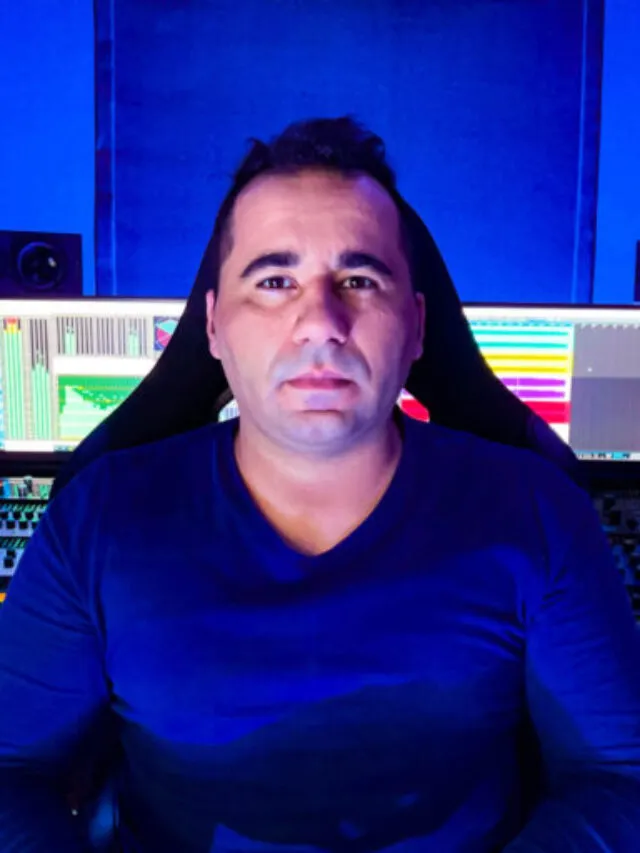
Written by SM Mastering
Official content on sound engineering, mixing, mastering, and advanced electronic production by SM Mastering.