The pro audio landscape changed significantly during the winter trade shows of 2020. Among the standout announcements, the introduction of the namm 2020 — heil sound pr37 mic marked a new era for live and studio vocal capture. As mastering engineers, we continuously analyze how tracking microphones affect the final master, and this particular transducer from Heil Sound has become a staple for mid-range clarity and high-transient control. Its robust construction combined with premium acoustic engineering makes it an indispensable tool for both live sound and studio tracking environments.
Inside the studio, achieving a vocal that sits perfectly in the mix without excessive equalization is the ultimate goal of any mixing engineer. The design philosophy behind the namm 2020 — heil sound pr37 mic addresses this directly with its large 1.5-inch dynamic element. Unlike many traditional dynamic microphones that require heavy processing, this microphone delivers a condenser-like top end while maintaining the robust pattern rejection of a classic dynamic capsule.
Engineering Aspects of the namm 2020 — heil sound pr37 mic
To truly appreciate the technical achievements of this microphone, one must look closely at its frequency response and internal capsule suspension. The namm 2020 — heil sound pr37 mic features a frequency response spanning from 40 Hz to 18 kHz, specifically tailored to elevate lead vocals above dense, competing instrumental arrangements. Its excellent rear-rejection properties make it highly resilient against feedback in live sound environments and bleed in multi-instrument studio sessions.
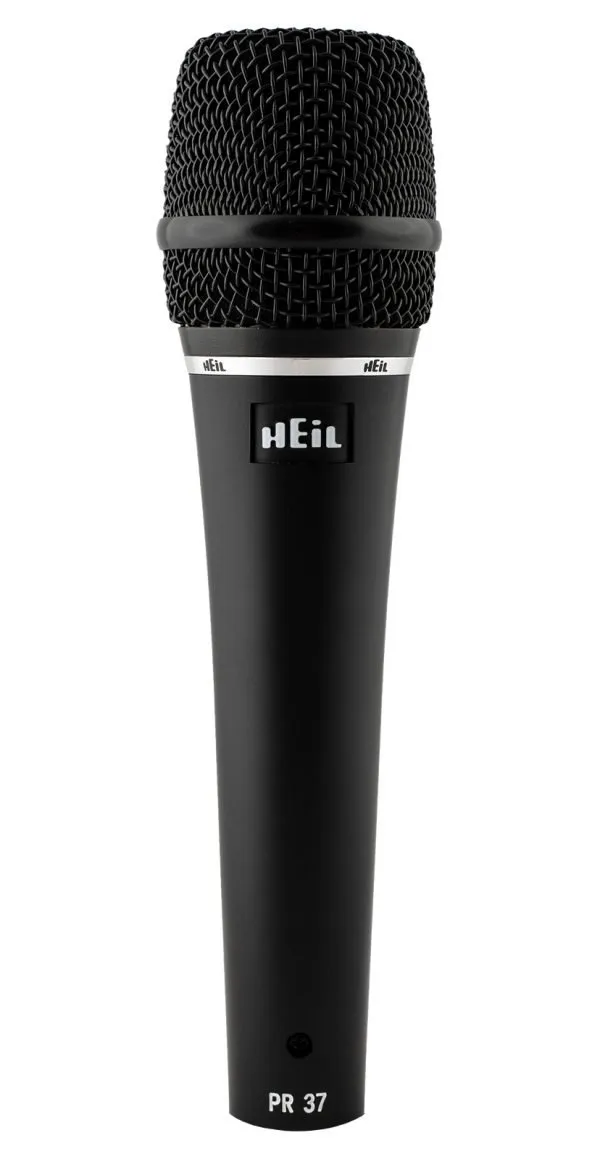
Additional product view and interface angle for NAMM 2020 — Heil Sound PR37 mic.
At SM Mastering, we often advise clients to choose microphones that minimize phase smearing and room reflections before the mixing stage. By referencing our comprehensive guides on the SM Mastering Audio Articles platform, engineers can learn how to pair this microphone with premium preamps. Just as legendary manufacturers like Neumann have set standards for high-end studio condensers, Heil Sound has carved out a unique space for high-fidelity dynamic microphones with the release of the namm 2020 — heil sound pr37 mic.
Technical Specifications
| Specification Parameter | Details / Measurement |
|---|---|
| Name | Heil Sound PR37 Dynamic Microphone |
| Primary Use | Live Vocal Performance & Studio Vocal Tracking |
| Price | Approximately $269 USD |
| Rating | 4.8 out of 5 stars |
| Element Type | Large 1.5-inch Dynamic diaphragm |
| Frequency Response | 40 Hz – 18,000 Hz |
| Polar Pattern | Cardioid |
Practical Studio Workflow Tips
To get the most out of your vocal recordings when using this microphone, consider implementing the following workflow adjustments in your studio:
Additional product view and interface angle for NAMM 2020 — Heil Sound PR37 mic.
- Manage the Proximity Effect: The PR37 has a rich, warm low-end when positioned close to the source. If you require more transient bite, have the vocalist back off about 3 to 5 inches from the grille.
- Choose a Transparent Preamp: Since this dynamic mic has a highly detailed high-frequency response, pairing it with a clean, high-headroom preamp will preserve its transient integrity.
- Angle Placement: When tracking acoustic guitar and vocals simultaneously, angle the null point of the cardioid pattern toward the guitar strings to minimize instrument bleed into the vocal track.
Conclusion
The namm 2020 — heil sound pr37 mic continues to stand as a testament to Bob Heil’s legacy of innovation in transducer technology. For modern music production, it bridges the gap between the rugged durability of dynamic stage mics and the pristine clarity of studio-grade condensers, ensuring that final masters require less corrective equalization and retain their natural dynamic range.
Frequently Asked Questions
What makes the Heil Sound PR37 different from the PR35?
The PR37 features a larger 1.5-inch dynamic element and a completely redesigned internal shock mount. This results in significantly less handling noise, a more robust mid-range presence, and improved high-frequency definition compared to its predecessor, the PR35.
Does the PR37 require phantom power?
No, the Heil Sound PR37 is a passive dynamic microphone and does not require 48V phantom power to operate. However, it can safely handle phantom power without damage if it is accidentally turned on at your preamp or audio interface.
Is this microphone suitable for recording loud guitar cabinets?
Yes, due to its high SPL handling and robust dynamic capsule design, the PR37 performs exceptionally well on loud sources like guitar amplifiers, brass instruments, and snare drums, delivering punchy transients without distortion.
🛒 Official Product Info & Where to Buy
Check full technical specs, pricing, and purchase options directly from the official manufacturer or authorized dealer for NAMM 2020 — Heil Sound PR37 mic.
Written by SM Mastering
Official content on sound engineering, mixing, mastering, and advanced electronic production by SM Mastering.