At SM Mastering, we closely monitor advancements in signal path technology, both for the studio environment and live stage setups. High-quality front-end gear is critical to capturing the organic dynamics of acoustic instruments before they ever reach the mixing console or mastering stage. During our review of new hardware releases, the launch of the namm 2020 — radial engineering pz pro marked a significant leap forward for acoustic instrumentalists and audio engineers seeking studio-grade routing flexibility in a road-ready format.
For years, the original PZ-Pre was a staple on pedalboards worldwide. However, as modern performance setups have grown increasingly complex, players demanded more control over multiple inputs, microphone integration, and dynamic routing. The introduction of the namm 2020 — radial engineering pz pro directly addresses these production challenges by serving as a master control center for acoustic instruments, blending high-end preamp engineering with versatile DI capabilities.
Engineering Excellence: The namm 2020 — radial engineering pz pro
At its core, the namm 2020 — radial engineering pz pro is a two-channel, class-A acoustic preamplifier designed to accommodate a diverse array of acoustic transducers. Unlike standard instrument preamps that treat all inputs equally, this unit features dedicated PZ booster circuits specifically designed to match the high impedance requirements of piezo transducers. This prevents the harsh, thin high-end roll-off that frequently plagues acoustic instruments when connected to standard line-level inputs.

Additional product view and interface angle for NAMM 2020 — Radial Engineering PZ Pro.
Furthermore, Channel 2 features a balanced XLR microphone input complete with switchable 48V phantom power. This allows artists to blend a high-quality condenser microphone with an internal pickup system, or even manage a vocal mic on the same unit. By integrating premium discrete analog components, the namm 2020 — radial engineering pz pro guarantees that the signal preserves its dynamic integrity, making the downstream job of mixing and mastering significantly cleaner.
| Specification | Details |
|---|---|
| Product Name | Radial Engineering PZ-Pro |
| Primary Use | Dual-Channel Acoustic Instrument & Mic Preamp |
| Estimated Price | $499.99 USD |
| SM Mastering Rating | 4.8 / 5.0 Stars |
Advanced Signal Routing and Onboard Control
A key highlight of the namm 2020 — radial engineering pz pro is its sophisticated routing architecture. Each channel boasts independent semi-parametric equalization controls, allowing you to surgical target resonant frequencies or sweep the midrange to find the sweet spot of your instrument. A variable low-cut filter is also available to eliminate stage rumble and low-end buildup before the signal reaches your DAW or the front-of-house PA system.

Additional product view and interface angle for NAMM 2020 — Radial Engineering PZ Pro.
For those looking to integrate time-based effects, the unit includes an assignable effects loop with a wet/dry blend control. This level of routing precision is reminiscent of high-end studio consoles. When preparing acoustic tracks for post-production, capturing clean direct signals is paramount. We often discuss these fundamental tracking techniques in our extensive library of SM Mastering Audio Articles, where proper gain-staging and source-to-preamp matching are analyzed in detail.
To ensure maximum isolation on stage and in the studio, Radial has equipped the device with dual balanced XLR outputs. You can assign these outputs to feed both a stage monitor setup and the main PA system simultaneously, complete with ground-lift switches to eliminate annoying ground loops. This level of professional galvanic isolation is what makes Radial a trusted name alongside legendary audio brands like Universal Audio in professional signal chain management.

Additional product view and interface angle for NAMM 2020 — Radial Engineering PZ Pro.
Practical Studio and Stage Workflow Tips
When implementing the namm 2020 — radial engineering pz pro into a hybrid studio or live recording session, we recommend utilizing the following practices to maximize sonic performance:
- Dual-Source Blending: Connect your acoustic guitar’s internal piezo pickup to Channel 1 (with the PZ boost engaged) and place an external studio condenser microphone on Channel 2. Blend the two signals to achieve a perfect balance of transient attack and natural body resonance.
- Notch Filtering: Use the assignable notch filter to target pesky feedback loops common in live environments, or to subtract problematic boxy frequencies in the 200Hz to 400Hz range during tracking.
- Clean DI Capture: Take advantage of the Pre-EQ XLR output to record a completely dry DI track parallel to your EQ’d wet signal. This provides absolute flexibility during the mixdown and mastering stages.
Conclusion: A New Standard for Acoustic Control
In conclusion, the namm 2020 — radial engineering pz pro represents a monumental upgrade over its predecessor. By offering dual-channel flexibility, pristine class-A analog circuitry, and studio-grade EQ control, it bridges the gap between raw acoustic performances and polished, master-ready recordings. Whether you are a touring multi-instrumentalist or a studio engineer aiming for pristine acoustic tracking, this preamp stands out as an indispensable asset in any modern signal chain.
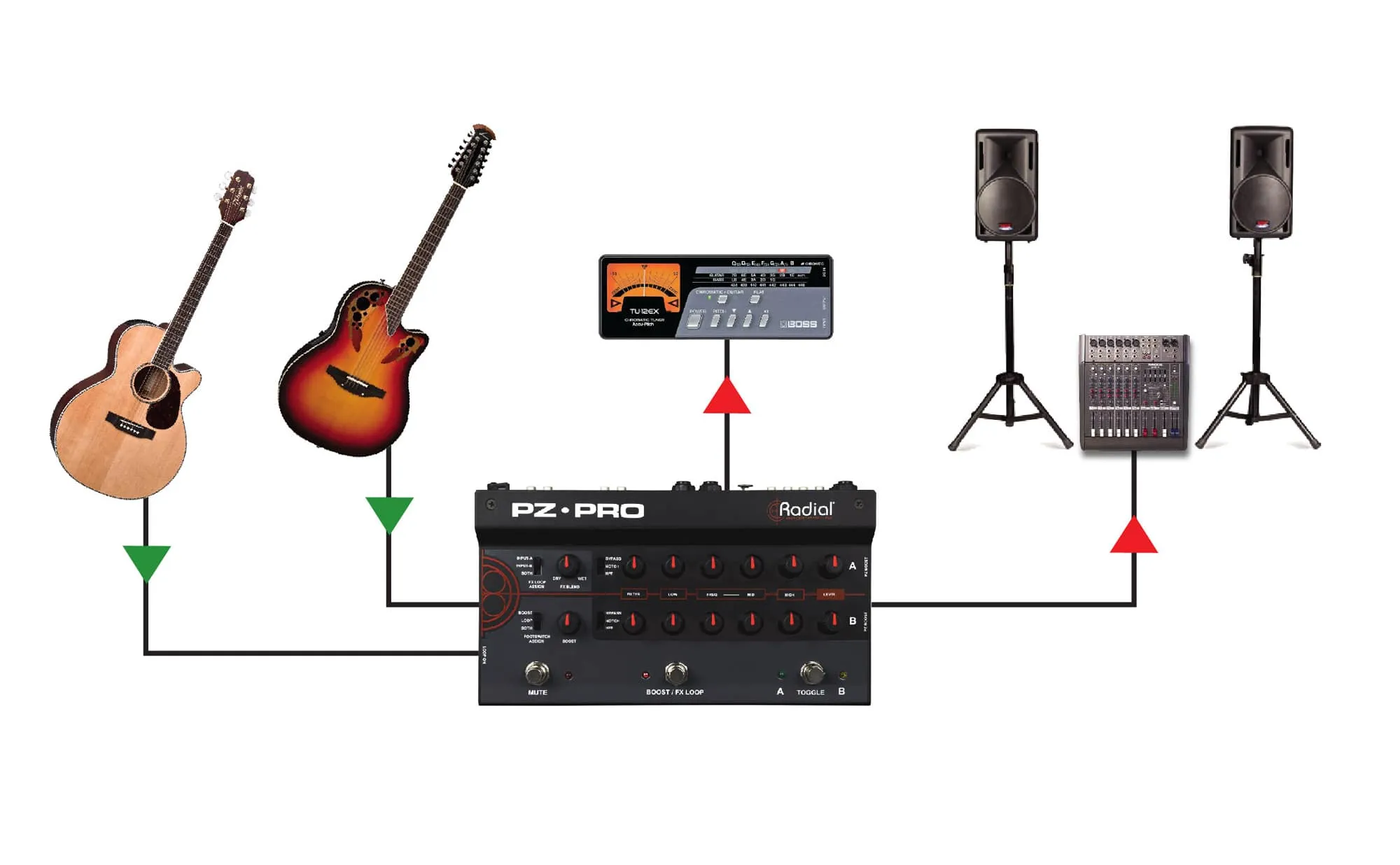
Additional product view and interface angle for NAMM 2020 — Radial Engineering PZ Pro.
Frequently Asked Questions
Can I use the Radial PZ-Pro with electric bass guitars?
Yes, the class-A input stages and robust EQ section make it highly effective for electric bass. Channel blending allows you to mix a clean direct bass signal with a processed effects loop chain for excellent low-end definition.
What is the benefit of the PZ booster switch?
The PZ boost increases the input impedance to 10 Meg-ohms. This matches the unique output characteristics of piezo transducers, eliminating the harshness and low-frequency loss typical of standard DI boxes.
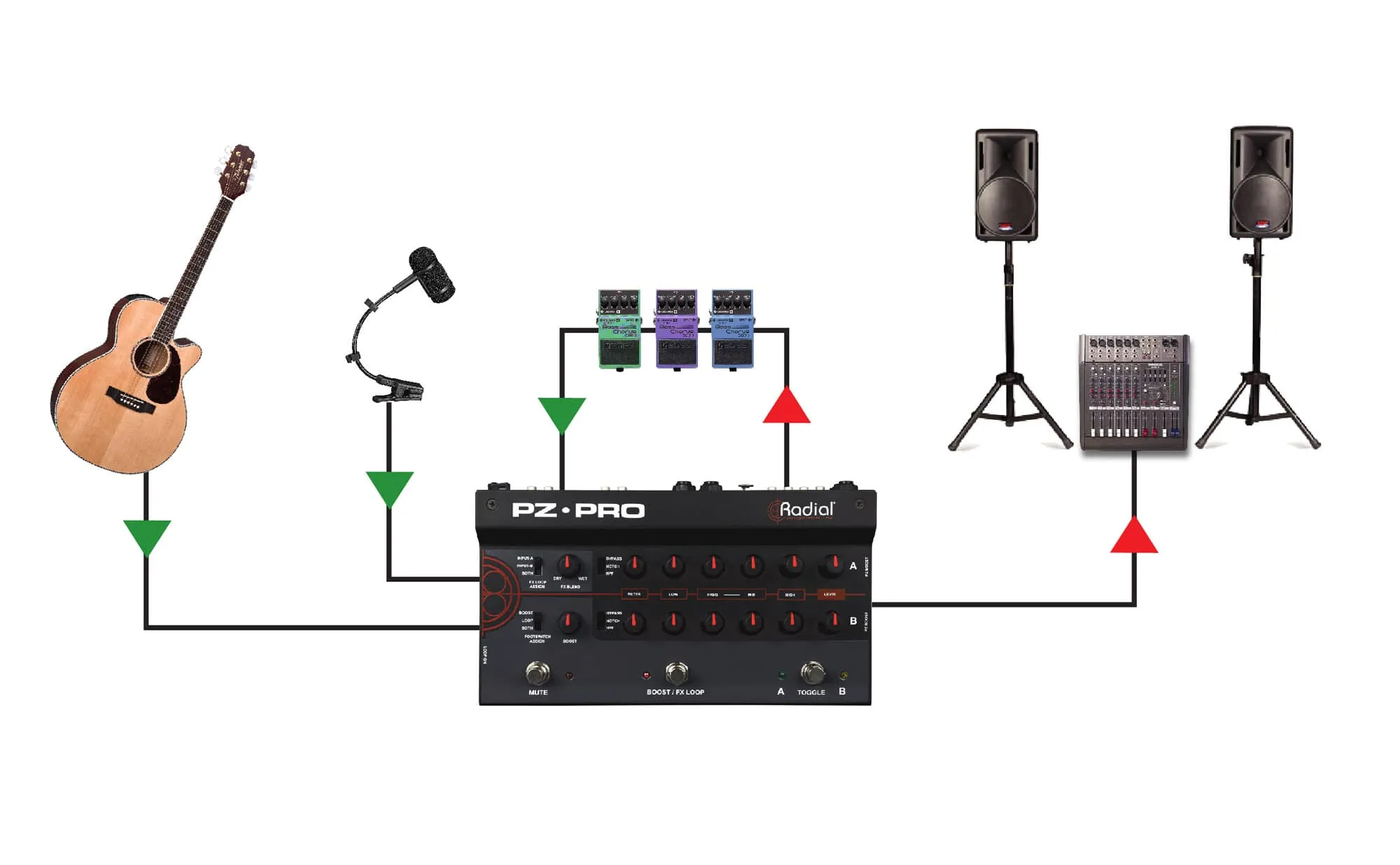
Additional product view and interface angle for NAMM 2020 — Radial Engineering PZ Pro.
Does the PZ-Pro require external phantom power to operate?
No, the PZ-Pro is powered via its own dedicated 15VDC power supply (included) to ensure adequate headroom for its class-A circuitry and phantom power distribution.
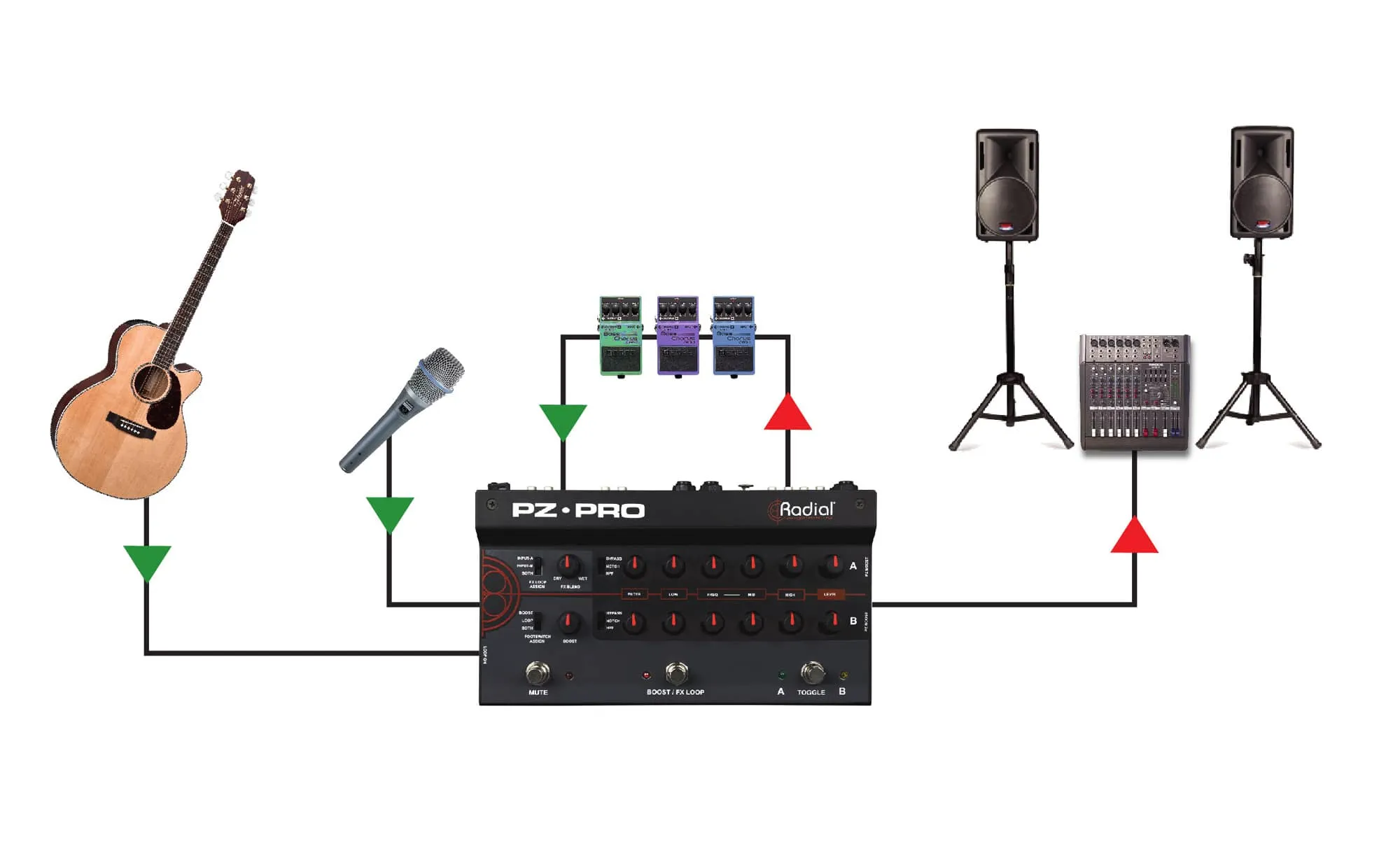
Additional product view and interface angle for NAMM 2020 — Radial Engineering PZ Pro.
🛒 Official Product Info & Where to Buy
Check full technical specs, pricing, and purchase options directly from the official manufacturer or authorized dealer for NAMM 2020 — Radial Engineering PZ Pro.

Written by SM Mastering
Official content on sound engineering, mixing, mastering, and advanced electronic production by SM Mastering.