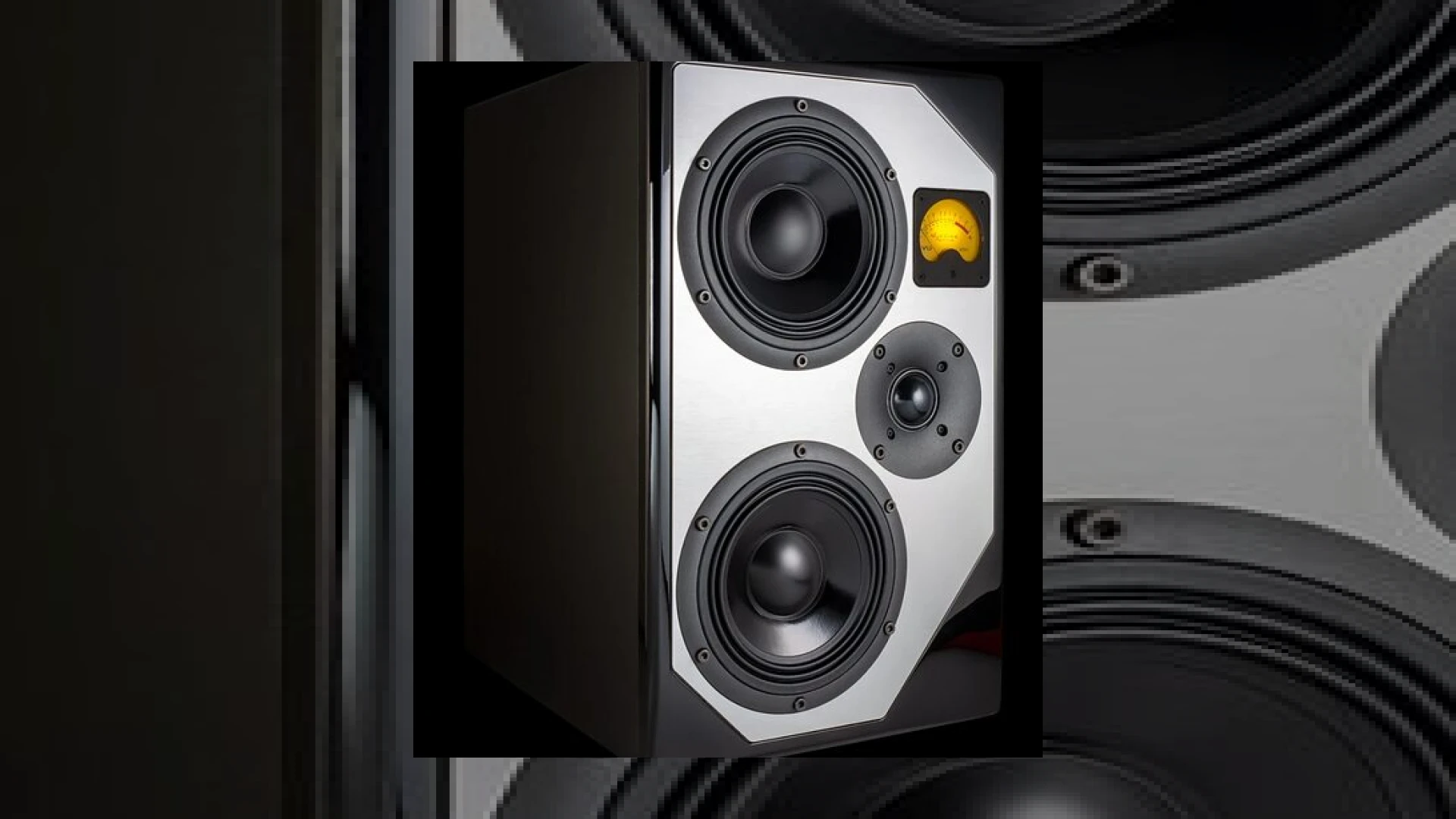
Visual context for NAMM 2021: Ashdown debut studio monitors.
The studio monitor market is fiercely competitive, dominated by long-standing acoustic giants. However, during the industry announcement of namm 2021: ashdown debut studio monitors, the British company known for their world-class bass amplifiers made a surprising and highly sophisticated entry into the recording world. Here at SM Mastering, we pay close attention to monitor topology because the accuracy of your playback system dictates every decision made in the mastering chain. Ashdown’s introduction of the NF-1 and NF-2 nearfields represents a fascinating departure from modern class-D trends, focusing instead on classic analog engineering principles and high-fidelity component selection.
Ashdown has entered this space not with generic, rebranded products, but with bespoke monitors built to appeal to discerning mix and mastering engineers. By partnering with legendary drive-unit manufacturer SICA and opting for an entirely analog signal path, they have prioritized transient response, phase coherence, and mid-range clarity. While legacy brands like Neumann have long dominated the high-end reference monitor space, Ashdown’s unique take offers a refreshing alternative for project and professional studios alike.
Analyzing the Sound Philosophy Behind namm 2021: ashdown debut studio monitors
When designing the namm 2021: ashdown debut studio monitors, the engineers selected 5-inch SICA bass/mid drivers paired with a premium soft-dome tweeter. Powering these drivers are custom 120W Class-A/B amplification modules. Unlike the Class-D amplifiers found in many modern active monitors, Class-A/B modules offer excellent linearity and low crossover distortion, which is crucial for reproducing fine micro-dynamics during critical mastering sessions. The internal crossovers are Linkwitz-Riley configurations, ensuring that the phase relationship between the woofer and tweeter remains perfectly aligned through the crossover frequency.
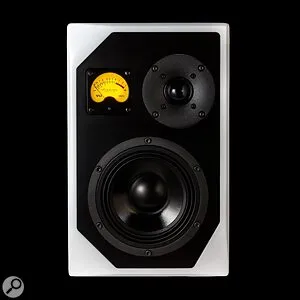
Additional product view and interface angle for NAMM 2021: Ashdown debut studio monitors.
Perhaps the most critical design choice is the enclosure itself. Unveiled at namm 2021: ashdown debut studio monitors represent a major shift away from bass-reflex (ported) configurations in favor of sealed-box designs. Ported monitors often suffer from “one-note bass” or port turbulence (chuffing) when pushed hard, which can smear the low-end time domain. A sealed cabinet rolls off more gradually in the lower frequencies and delivers an incredibly tight, accurate transient response, allowing mastering engineers to make precise decisions regarding compression and low-frequency EQ. For more deep dives into critical listening environments and acoustic treatments, explore our comprehensive catalog at SM Mastering Audio Articles.
The NF-1 vs. NF-2: Choosing the Right Configuration
Ashdown released two distinct models to cater to different acoustic spaces and listening distances. The NF-1 is a standard two-way design with a single 5-inch woofer, making it ideal for smaller rooms or secondary reference positions. The NF-2 utilizes an MTM (Mid-Tweeter-Mid) or D’Appolito configuration, placing two 5-inch woofers symmetrically around the tweeter. This design narrows the vertical dispersion of the monitor, reducing early reflections from the ceiling and desk surface while providing a wider horizontal sweet spot and increased low-end headroom.
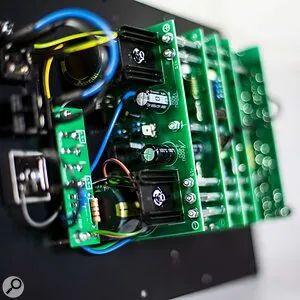
Additional product view and interface angle for NAMM 2021: Ashdown debut studio monitors.
Unique to both models is the inclusion of retro-styled, illuminated VU meters on the front baffles. While some might view this as a visual gimmick, these physical meters provide a helpful analog representation of incoming voltage levels, allowing you to quickly monitor dynamic peaks without constantly squinting at your DAW meters.
Specifications Overview
| Name | Use Case | Price (Per Pair) | SM Mastering Rating |
|---|---|---|---|
| Ashdown NF-1 | Nearfield Mixing, Editing, & Small-room Reference | £999 | 4.5 / 5.0 |
| Ashdown NF-2 | MTM Midfield/Nearfield Mixing & Stereo Mastering | £1199 | 4.7 / 5.0 |
Practical Studio Workflow Tips
When you calibrate the namm 2021: ashdown debut studio monitors in your room, the sealed-box design will afford you more flexibility regarding wall placement compared to rear-ported designs. However, to maximize their potential, follow these integration guidelines:
- Decouple the Enclosures: Because of the substantial weight of the Class-A/B transformers and solid cabinets, use high-quality decoupling isolation pads to prevent desk resonance from coloring the low-mid frequencies.
- Calibrate Your VU Meters: Use a standard 1 kHz sine wave at -18 dBFS to align your interface output with the physical VU meters on the front baffle, ensuring your analog headroom is gain-staged correctly.
- Manage Class-A/B Heat: Class-A/B amplifiers run significantly warmer than Class-D equivalents. Ensure there is adequate airflow behind the monitors to maintain component longevity and prevent thermal throttling.
Conclusion
Our final verdict on the namm 2021: ashdown debut studio monitors is highly positive. Ashdown has avoided the temptation of digital DSP correction and cheap amplification, opting instead for analog purity, robust SICA drivers, and sealed-box cabinet physics. Inspired by the legendary BBC LS3/5a monitors but designed with modern high- and low-frequency extension in mind, the NF-1 and NF-2 are exceptional choices for audio professionals seeking an honest, non-fatiguing reference monitor system that translates perfectly to consumer playback devices.
Frequently Asked Questions
What is the benefit of a sealed cabinet in the Ashdown NF monitors?
Sealed cabinets do not suffer from port turbulence or the phase issues inherent in bass-reflex designs. They provide a much more accurate transient response in the low end, meaning drums and bass instruments sound tighter and more defined, which is highly beneficial during mixing and mastering.
Can the VU meters on the front of the monitors be calibrated?
Yes, the front-mounted VU meters are designed to show incoming signal levels and can be calibrated to match your specific studio operating level (such as +4 dBu) to help you maintain consistent analog gain staging.
How does the NF-2’s MTM design improve the stereo image?
The MTM (Mid-Tweeter-Mid) design of the NF-2 controls vertical dispersion, minimizing unwanted acoustic reflections off your mixing desk and ceiling. This results in a highly focused phantom center, exceptional stereo imaging, and a wider horizontal listening sweet spot.
🛒 Official Product Info & Where to Buy
Check full technical specs, pricing, and purchase options directly from the official manufacturer or authorized dealer for NAMM 2021: Ashdown debut studio monitors.
Written by SM Mastering
Official content on sound engineering, mixing, mastering, and advanced electronic production by SM Mastering.