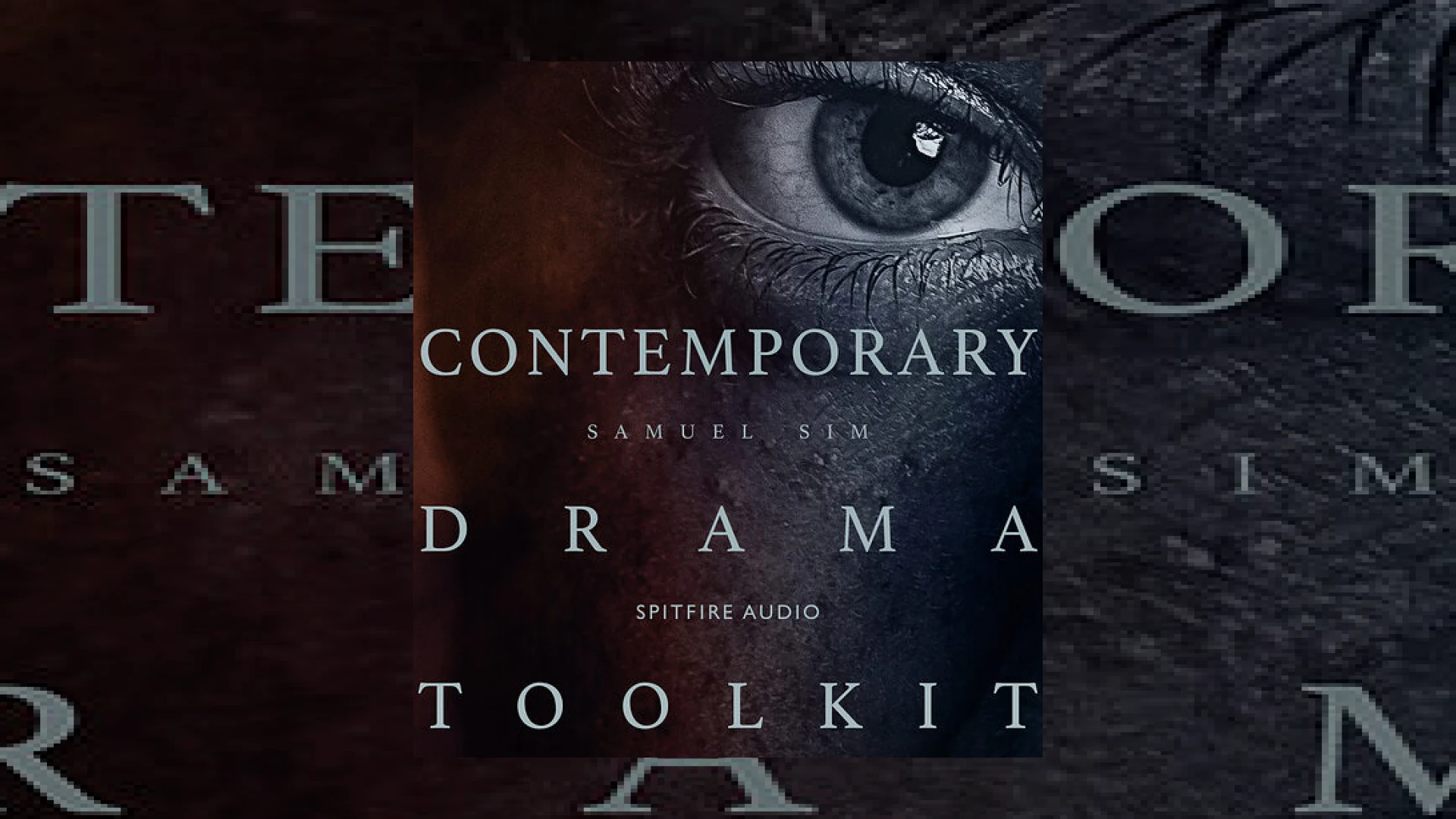
Visual context for NAMM 2021: Spitfire Contemporary Drama Toolkit.
The modern media landscape demands a level of sonic storytelling that is both deeply emotional and highly efficient. Originally announced during the virtual buzz of namm 2021: spitfire contemporary drama toolkit has emerged as a landmark release for media composers looking to bridge the gap between acoustic warmth and modern, synthetic processing. Created in collaboration with award-winning composer Samuel Sim (known for his work on The Halcyon, The Spanish Princess, and The Dark Crystal: Age of Resistance), this toolkit offers a curated set of sounds tailored specifically for contemporary television and film drama. Unlike its predecessor, the British Drama Toolkit, which focused primarily on classic acoustic orchestral arrangements, this release takes a decidedly modern, hybrid approach.
Analyzing the Sonic Architecture of NAMM 2021: Spitfire Contemporary Drama Toolkit
When evaluating the namm 2021: spitfire contemporary drama toolkit from a mixing and mastering perspective, the sheer versatility of its sound sources becomes immediately apparent. Spitfire Audio has compiled 72 masterfully crafted patches and 44 unique patch combinations. The palette is a rich blend of electric cellos, electric violins, vintage synthesizers, manipulated guitars, and delicate vocal textures. Instead of presenting these instruments in their dry, raw states, Spitfire has heavily processed them using analog stompboxes, boutique studio outboard gear, and Eurorack modular systems.
This deliberate processing means the sounds are pre-sculpted with rich harmonic saturation and spatial depth. For mastering engineers, this level of professional curation is highly advantageous. It prevents the excessive build-up of clinical, harsh mid-frequencies that often occur when stacking raw digital instruments. To further polish these rich, textured layers within a full stereo mix, engineers can utilize advanced spectral shapers, such as those found in mastering suites from industry leaders like iZotope, ensuring that the hybrid acoustic-electronic elements remain perfectly balanced and dynamically controlled.
The Philosophy of Playability and Dynamics
The core design philosophy behind the namm 2021: spitfire contemporary drama toolkit is intuitive playability. Spitfire has mapped keyboard velocity to a multitude of complex parameters across every patch. Instead of manually drawing in dozens of CC curves for expression, filter cutoffs, and layer crossfades, composers can simply perform their parts in real time. Playing softly triggers delicate, whispered textures, while harder velocities introduce aggressive, saturated synth layers and bowed electric string transients.
This approach allows composers to keep their eyes on the picture and respond instinctively to the dramatic tension on screen. For more technical insights into how hybrid sample libraries affect the modern mixing and mastering stage, feel free to browse our dedicated resources at SM Mastering Audio Articles.
Technical Specifications and Ratings
To help you determine how this library fits into your technical setup and budget, we have compiled a detailed breakdown of its specifications, performance, and pricing:
| Specification | Details |
|---|---|
| Product Name | Contemporary Drama Toolkit (CDT) |
| Primary Use | Hybrid Film, TV, and Game Scoring |
| Sound Sources | Electric Strings, Guitars, Vintage Synths, Processed Vocals |
| Total Patches | 72 Playable Patches, 44 Combinations |
| NKS Support | Fully Compatible with Native Instruments NKS Controllers |
| Regular Price | £169 / $199 USD (Introductory price: £129) |
| SM Mastering Rating | 4.8 / 5.0 Stars |
Practical Studio Workflow Tips
Integrating namm 2021: spitfire contemporary drama toolkit into a hybrid scoring template requires a few tactical decisions to optimize both performance and sonic clarity:
- Master the Velocity Curves: Because velocity controls multiple structural parameters simultaneously, spend time adjusting your MIDI keyboard’s velocity curve. This ensures your physical touch maps accurately to the library’s dynamic thresholds.
- Control the Low-Mids: Because many patches feature rich Eurorack processing and analog synth pads, watch out for frequency accumulation between 200 Hz and 400 Hz. Use a dynamic EQ to carve out subtle space for dialogue or acoustic lead instruments.
- Leverage the NKS Integration: Take full advantage of Native Kontrol Standard (NKS) hardware mapping. Controlling envelope offsets and filter cutoffs directly from physical rotary encoders allows for immediate, tactical automation.
Conclusion
Our final analysis of the namm 2021: spitfire contemporary drama toolkit shows that Spitfire Audio and Samuel Sim have successfully built an instrument that bypasses technical friction. By transferring the heavy lifting of sound design and dynamic parameter assignment over to a highly responsive, velocity-sensitive engine, they have provided composers with an expressive shortcut to emotional storytelling. Whether you are scoring a high-budget crime drama or an intimate indie film, this toolkit delivers ready-to-mix textures that sit beautifully in any modern master.
Frequently Asked Questions
What is the main difference between the British Drama Toolkit and the Contemporary Drama Toolkit?
While the British Drama Toolkit centers on acoustic, traditional orchestral instruments (such as woodwinds and acoustic strings) recorded in an intimate studio space, the Contemporary Drama Toolkit focuses on a modern hybrid palette. It incorporates electric cellos, electric violins, processed guitars, vintage synthesizers, and modular synth processing to create a darker, more textured aesthetic.
Do I need the full version of Kontakt to run this library?
No. The Contemporary Drama Toolkit runs seamlessly in both the free Kontakt Player and the full version of Kontakt (v5.6.8 or higher). It is also fully NKS-compatible, allowing for direct integration with Native Instruments hardware controllers.
How does the velocity-mapping engine affect mixing?
Because the velocity engine changes the actual tone, filter cutoff, and layering of the sound based on how hard you play, the dynamic range is highly organic. From a mixing perspective, this means you may need slightly more local compression or peak limiting to tame unpredictable transients if a composer performs with wide velocity variations.
🛒 Official Product Info & Where to Buy
Check full technical specs, pricing, and purchase options directly from the official manufacturer or authorized dealer for NAMM 2021: Spitfire Contemporary Drama Toolkit.
Written by SM Mastering
Official content on sound engineering, mixing, mastering, and advanced electronic production by SM Mastering.