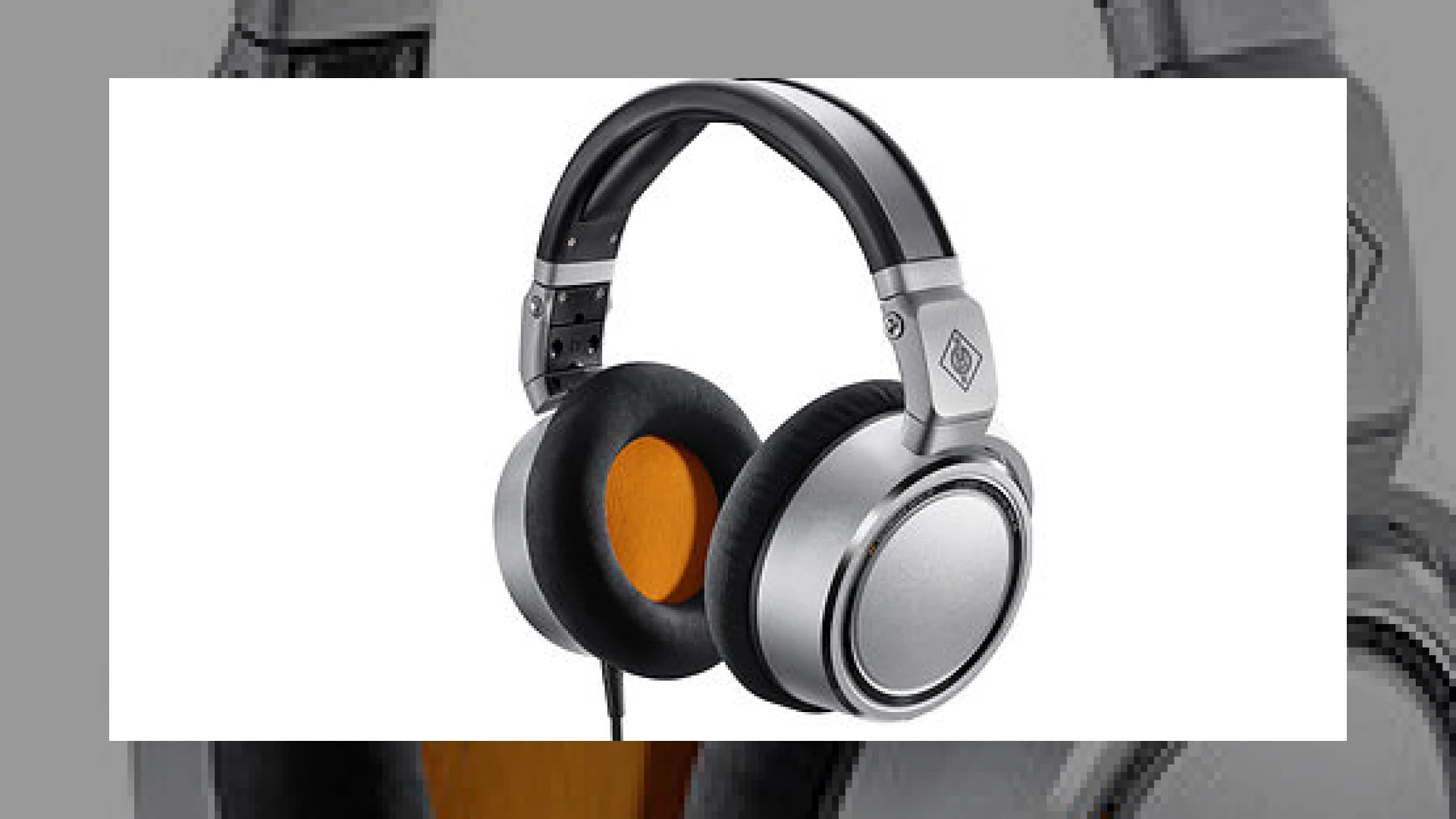
Visual context for Neumann unveil their first-ever headphones.
The professional monitoring landscape has experienced a monumental shift. In an unexpected yet highly anticipated move, neumann unveil their first-ever headphones, the NDH 20. Known worldwide for engineering industry-standard condenser microphones and pristine studio monitors, the German manufacturer has finally closed the loop in the monitoring chain. At SM Mastering, we analyze how these closed-back, high-isolation reference cans stand up to the rigorous demands of modern professional mastering and mixing environments.
The Technical Legacy Behind the NDH 20
For decades, Neumann has been synonymous with high-end transducer technology. Since headphones are essentially ‘microphones in reverse,’ it was only a matter of time before we witnessed this release. As neumann unveil their first-ever headphones, they have integrated custom-designed 38mm moving-coil drivers featuring high-flux neodymium magnets. This design minimizes distortion while ensuring exceptional transient response, catering to those who require clinical precision during critical listening sessions.
Why Neumann Unveil Their First-Ever Headphones
The decision to expand into head-fi monitoring was driven by the modern shift toward hybrid and mobile studio workflows. When neumann unveil their first-ever headphones, their core design objective was to replicate the flat, uncolored frequency response of their acclaimed KH series studio monitors. Achieving this level of linear acoustic translation in a closed-back format is incredibly challenging, yet the NDH 20 manages to deliver a remarkably flat frequency response spanning from 5 Hz to 30 kHz.
Physical Design, Comfort, and Acoustic Isolation
Constructed with a flexible, high-tensile steel headband and lightweight aluminum earcups, the NDH 20 is built to withstand the rigors of daily studio abuse. Memory foam ear cushions wrapped in soft cloth provide exceptional comfort for long-haul mastering sessions. More importantly, they offer superior passive isolation, which is crucial for tracking in the same room as live instruments or mixing in noisy environments. Indeed, as neumann unveil their first-ever headphones, they have prioritized both physical durability and acoustic accuracy, supplying users with two detachable cables (coiled and straight) and a robust carrying bag.
Product Specifications
| Name | Use | Price | Rating |
|---|---|---|---|
| Neumann NDH 20 | Studio Reference Mixing, Tracking, and Mastering | $499 / £419 | 4.8 / 5.0 |
Practical Studio Workflow Tips for the NDH 20
- Cross-Reference Your Low End: Thanks to the extended sub-bass response down to 5 Hz, use the NDH 20 to check the sub-bass shelf of your master. It reveals low-frequency rumble and mud that typical nearfield monitors might miss.
- Utilize Crossfeed Tools: Since these are closed-back headphones with high isolation, the stereo image can feel highly separated. Utilize a monitor controller or utility plugin with crossfeed control to simulate the acoustic crosstalk of physical studio monitors.
- Burn-In Period: Give the 38mm neodymium drivers at least 24 to 48 hours of continuous playback at moderate volume. This settles the suspension suspension rings and smooths out the high-mid response.
Conclusion
Ultimately, when neumann unveil their first-ever headphones, they provide engineers with an indispensable tool for accurate monitoring on the move. By bridging the gap between portable listening and high-end studio reproduction, the NDH 20 sets a new standard for closed-back reference headphones. To stay updated with more gear reviews and mastering insights, explore our extensive library of SM Mastering Audio Articles.
Frequently Asked Questions (FAQ)
Are the Neumann NDH 20 headphones suitable for mastering?
Yes, absolutely. The exceptionally flat frequency response, wide range (5 Hz to 30 kHz), and low harmonic distortion make them highly reliable for mastering applications, especially when checking low-end translation and clinical micro-dynamics.
Do I need a dedicated headphone amplifier to drive the NDH 20?
While they can be driven by standard mobile devices and audio interfaces due to their efficient 150-ohm impedance and high sensitivity, a high-quality dedicated headphone amplifier will unlock their full transient details and low-frequency depth.
How does the isolation of the NDH 20 compare to other studio headphones?
Thanks to their closed-back design and memory foam ear pads, the NDH 20 offers exceptional passive acoustic isolation. This makes them ideal for both loud FOH environments and quiet studio tracking rooms where microphone bleed is a concern.

Additional product view and interface angle for Neumann unveil their first-ever headphones.
🛒 Official Product Info & Where to Buy
Check full technical specs, pricing, and purchase options directly from the official manufacturer or authorized dealer for Neumann unveil their first-ever headphones.
Written by SM Mastering
Official content on sound engineering, mixing, mastering, and advanced electronic production by SM Mastering.