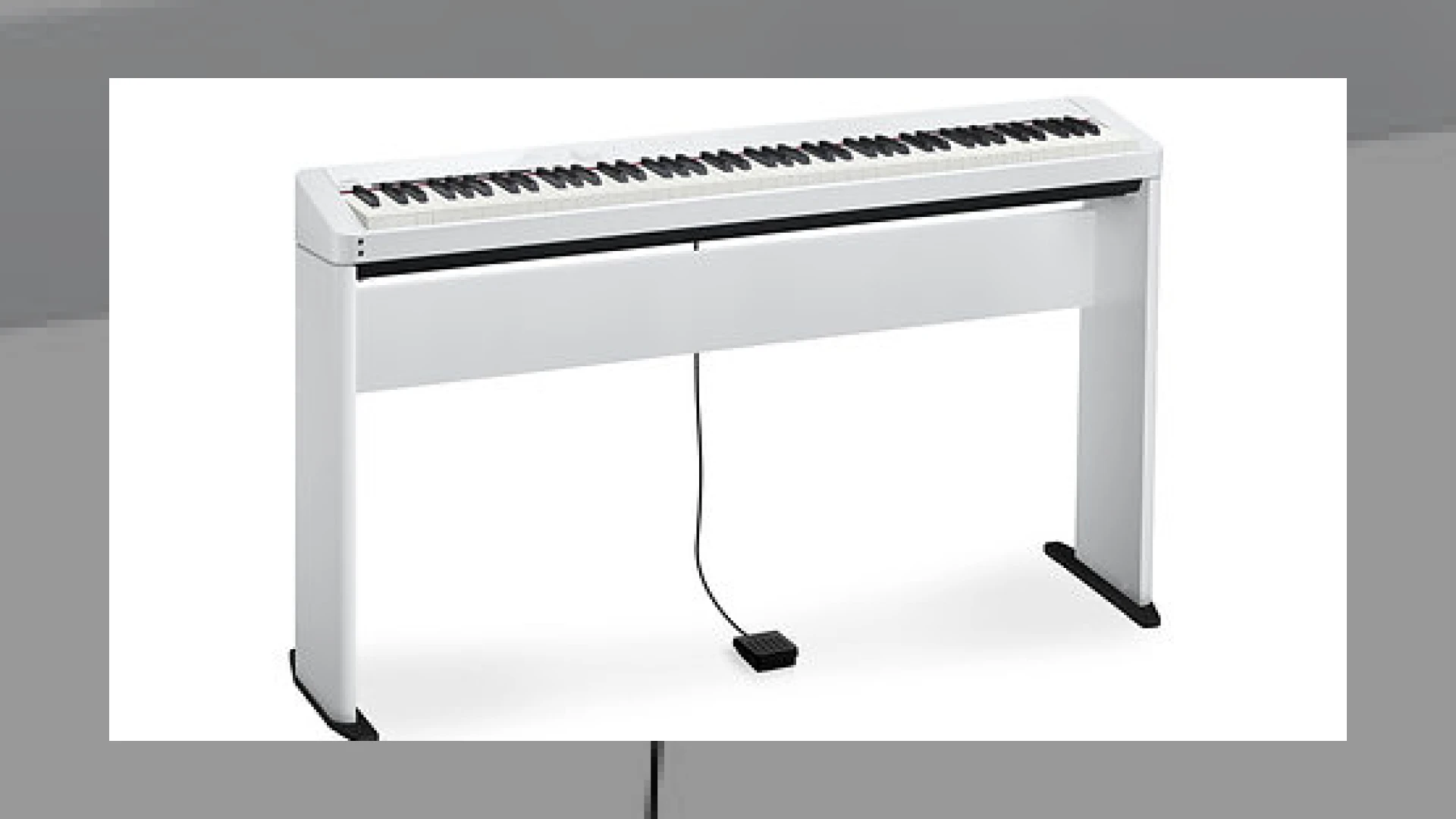
Visual context for New Casio Privias — the world's slimmest pianos?.
For years, Casio’s keyboard division has focused heavily on the consumer home market, occasionally releasing products that fly under the radar of serious studio engineers. However, the paradigm is shifting. With the release of the PX-S1000 and PX-S3000, digital piano design has taken a massive leap forward. At SM Mastering, we often evaluate consumer hardware that crosses over into professional studio environments. The question on everyone’s lips is: are the new casio privias — the world’s slimmest pianos? Let’s dive deep into the technical specifications, acoustic physics, and practical studio applications of these ultra-compact instruments.
An In-Depth Look at the New Casio Privias — the World’s Slimmest Pianos?
Measuring an astonishingly slim 232mm in depth, Casio has made a bold claim regarding their physical footprint. When testing the new casio privias — the world’s slimmest pianos? in our dedicated mastering suite, the first thing we noticed was the intelligent space utilization. This ultra-slim profile is made possible by a newly designed, highly compact smart scaled hammer-action keyboard mechanism. Despite their lightweight build (both models come in at under 11.5 kg), they offer a surprisingly realistic tactile response that rivals much heavier digital stage pianos.
From an acoustic standpoint, both the PX-S1000 and PX-S3000 leverage Casio’s proprietary Multi-dimensional Morphing AiR (Acoustic and Intelligent Resonator) Sound Source. This engine provides beautifully detailed grand piano samples complete with damper and string resonance. For more insights on optimizing your monitoring environment when recording instruments like these, feel free to explore our resource database at SM Mastering Audio Articles.
To capture the nuance of these instruments in a professional recording setup, we recommend routing the stereo line-out jacks into high-end analog preamps, such as those manufactured by Universal Audio, to add analog warmth and depth to the clean digital output.
Technical Specifications and Model Comparison
To help you decide which model fits best into your keyboard rig or production studio, we have compiled a direct technical comparison of these sleek new instruments.
| Model Name | Primary Use Cases | Estimated Retail Price | SM Mastering Rating |
|---|---|---|---|
| Casio Privia PX-S1000 | Home practice, basic MIDI control, minimalist mobile gigging | $699 USD | 4.5 / 5 Stars |
| Casio Privia PX-S3000 | Studio production, live multi-instrumentalist performance, arrangement | $899 USD | 4.8 / 5 Stars |
While both instruments share the same physical chassis, the PX-S1000 focuses strictly on delivering 18 high-quality, piano-centric sounds. On the other hand, choosing the new casio privias — the world’s slimmest pianos? in the PX-S3000 variation grants you access to over 700 built-in tones, advanced rhythm accompaniment, and an intuitive pitch-bend wheel for synthesizer expressiveness.
Practical Studio Workflow Tips
Integrating compact digital pianos into a modern DAW setup requires a blend of MIDI routing and physical acoustic management. Here are our top workflow tips when utilizing the new casio privias — the world’s slimmest pianos? in a professional production environment:
- Defeat the Onboard Speakers: While the built-in speaker system is excellent for casual monitoring, always defeat the internal speakers when routing the stereo lines to your audio interface. This eliminates microphone bleed if you are tracking vocals or acoustic guitars in the same room.
- Utilize the Bluetooth Audio Input: Use the onboard Bluetooth receiver to stream reference tracks or guide tracks directly from your mobile device through the piano’s audio outputs. This streamlines practicing and writing sessions without cluttering your desk with extra cables.
- Exploit the Dual Headphone Outputs: If you are collaborating with a vocalist or another producer, the twin front-panel headphone jacks allow for silent, latency-free monitoring without needing an external headphone distribution amplifier.
Incorporating the new casio privias — the world’s slimmest pianos? into your DAW setup is incredibly simple thanks to class-compliant USB-MIDI. They register instantly in Pro Tools, Logic Pro, or Ableton Live without the need for manual driver installations.
Conclusion
Casio has successfully bridged the gap between home-friendly aesthetics and professional-grade utility. In conclusion, the new casio privias — the world’s slimmest pianos? represent a monumental engineering feat. They pack high-fidelity piano samples, advanced physical string modeling, and a highly responsive action into a footprint that can slip into almost any studio desk or gig bag. For session players and project studio owners alike, these models deserve serious consideration.
Frequently Asked Questions (FAQ)
Are these Casio Privia models suitable as weighted MIDI controllers?
Yes, absolutely. Both the PX-S1000 and PX-S3000 feature class-compliant USB-MIDI connectivity. Their highly responsive smart scaled hammer-action keybed makes them excellent master controllers for virtual acoustic pianos, Rhodes, and orchestrations inside your DAW.
Can the built-in speakers be turned off when using line outputs?
Yes. Inserting a connection into either of the line-out jacks or headphone jacks automatically mutes or allows you to manually disable the internal speakers via the system settings. This ensures clean, isolated audio routing directly to your recording console or interface.
Do these ultra-slim models support battery power for mobile production?
Yes, both models can be powered by six AA batteries in addition to the standard AC adapter. This level of portability, combined with their sub-11.5kg weight, makes them exceptionally suited for mobile recording sessions and street performances.
🛒 Official Product Info & Where to Buy
Check full technical specs, pricing, and purchase options directly from the official manufacturer or authorized dealer for New Casio Privias — the world's slimmest pianos?.

Written by SM Mastering
Official content on sound engineering, mixing, mastering, and advanced electronic production by SM Mastering.