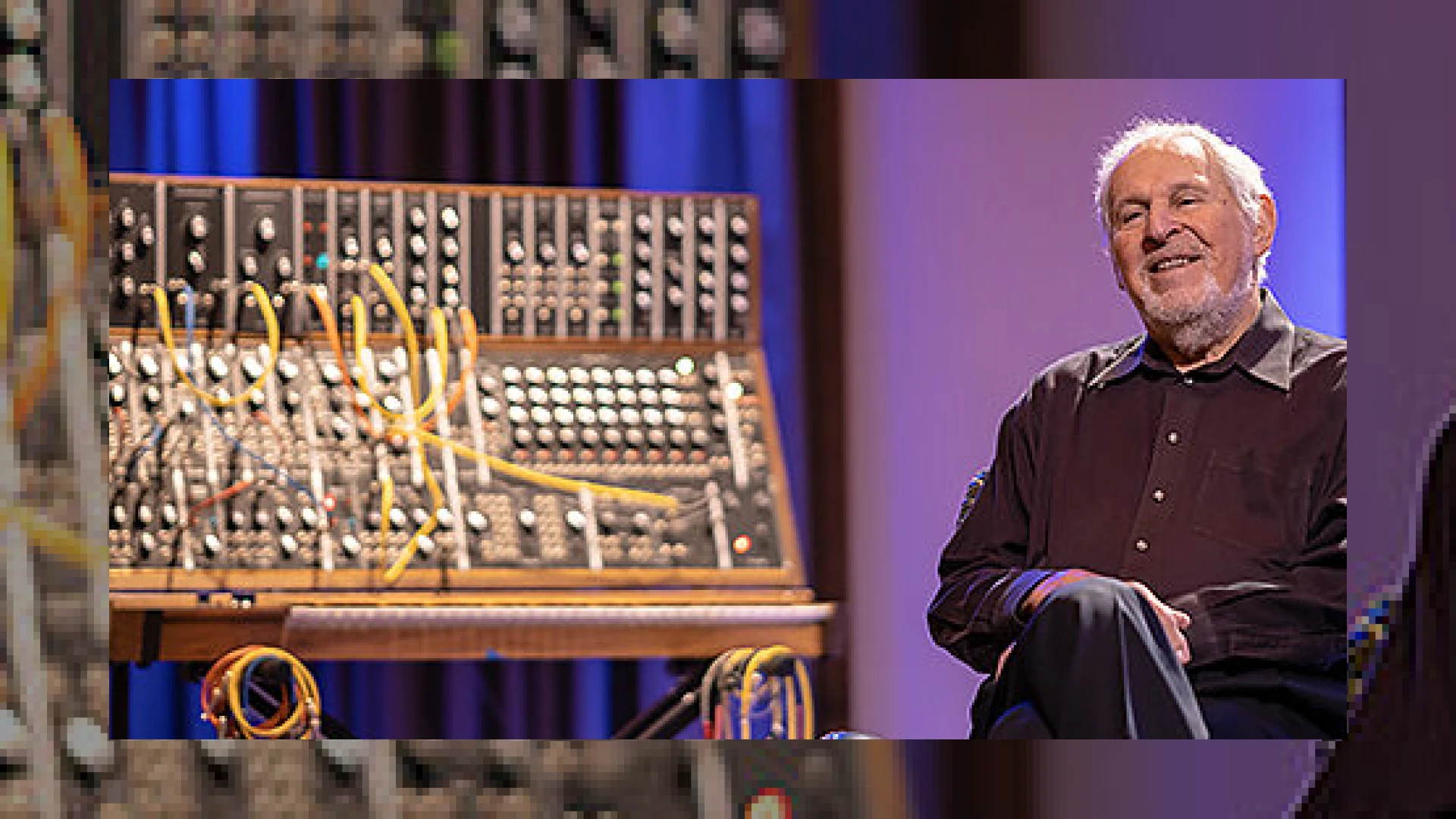
Visual context for New film honours Moog co-inventor Herb Deutsch.
The landscape of electronic music production owes its existence to visionary pioneers who shaped voltage-controlled synthesis as we know it today. Recognizing this rich heritage, the release of a SM Mastering Audio Articles feature highlights how a Moog Music documentary initiative pays tribute to the roots of sound design. Specifically, the Moog Music project titled *Giants* captures invaluable historical accounts, ensuring that the legacy of analog innovation remains vibrant for contemporary mix engineers and sound designers working in modern DAW environments.
As we analyze the technical evolution of modular synthesis, the Moog Music documentary series serves as an important bridge between vintage hardware and modern plugin ecosystems. Modern tools from developers like Soundtoys often emulate the saturation, filter resonance, and warmth pioneered during the early days of analog experimentation.
Understanding the Legacy Behind the New Film Honours Moog Co-Inventor Herb Deutsch
The debut installment of the *Giants* series is dedicated entirely to Herbert Deutsch, whose collaboration with Bob Moog revolutionized the audio industry. This SM Mastering Audio Articles overview notes that the Moog Music project emphasizes the deep technical and philosophical foundations of electronic composition. By exploring the narrative of how this Moog Music innovation came to life, modern producers gain a profound appreciation for the oscillators, filters, and envelope generators found in both hardware units and digital emulations.
Furthermore, the Moog Music documentary underscores the collaborative spirit required to push sound synthesis forward. When discussing the Moog Music contributions of Herb Deutsch, engineers often draw parallels to fine-tuning analog-modeled plugins in a professional mixing session. For those studying the historical impact of the Moog Music platform, this Moog Music cinematic release provides rare archival context that enhances our overall understanding of electronic timbre.
Practical Studio Workflow Tips for Analog Emulation
* **Gain Staging:** When utilizing software emulations of vintage analog gear popularized in the Moog Music era, maintain conservative input levels (around -18 dBFS) to preserve headroom and dynamic response.
* **Filter Resonance Calibration:** Emulate early modular filter sweeps by automating cutoff frequencies gently, avoiding harsh digital artifacts in the upper mids.
* **Transient Shaping:** Use subtle saturation plugins to replicate the natural compression and harmonic distortion inherent in vintage circuits.
Specifications Table
| Parameter | Detail |
| :— | :— |
| **Name** | Giants: Herb Deutsch Documentary |
| **Use** | Historical preservation and educational electronic music series |
| **Price** | Free (Released via Moog Music platforms) |
| **Rating** | 5/5 Stars (Audio Heritage & Education) |
Frequently Asked Questions
**What is the focus of the new film honours moog co-inventor herb deutsch?**
The documentary focuses on the life, career, and monumental contributions of composer and educator Herbert Deutsch, highlighting his foundational work alongside Bob Moog in developing the iconic modular synthesizer.
**How can modern producers apply insights from the new film honours moog co-inventor herb deutsch to their workflow?**
Producers can study the documentary to understand the foundational philosophy of sound design—viewing music as “sound organized in time”—which helps inform better arrangement, timbre selection, and analog emulation practices in the studio.
**Where can viewers watch the new film honours moog co-inventor herb deutsch?**
The documentary is hosted and distributed directly through official Moog Music digital channels and video platforms as part of their ongoing *Giants* series.
Conclusion
Preserving the history of electronic music is vital for the continuous growth of audio engineering. The celebration of foundational pioneers through projects like the Moog Music documentary series reminds us of the ingenuity required to shape modern sound. By studying these roots, audio professionals can better approach both hardware synthesis and digital mixing with renewed inspiration and technical precision.
Written by SM Mastering
Official content on sound engineering, mixing, mastering, and advanced electronic production by SM Mastering.