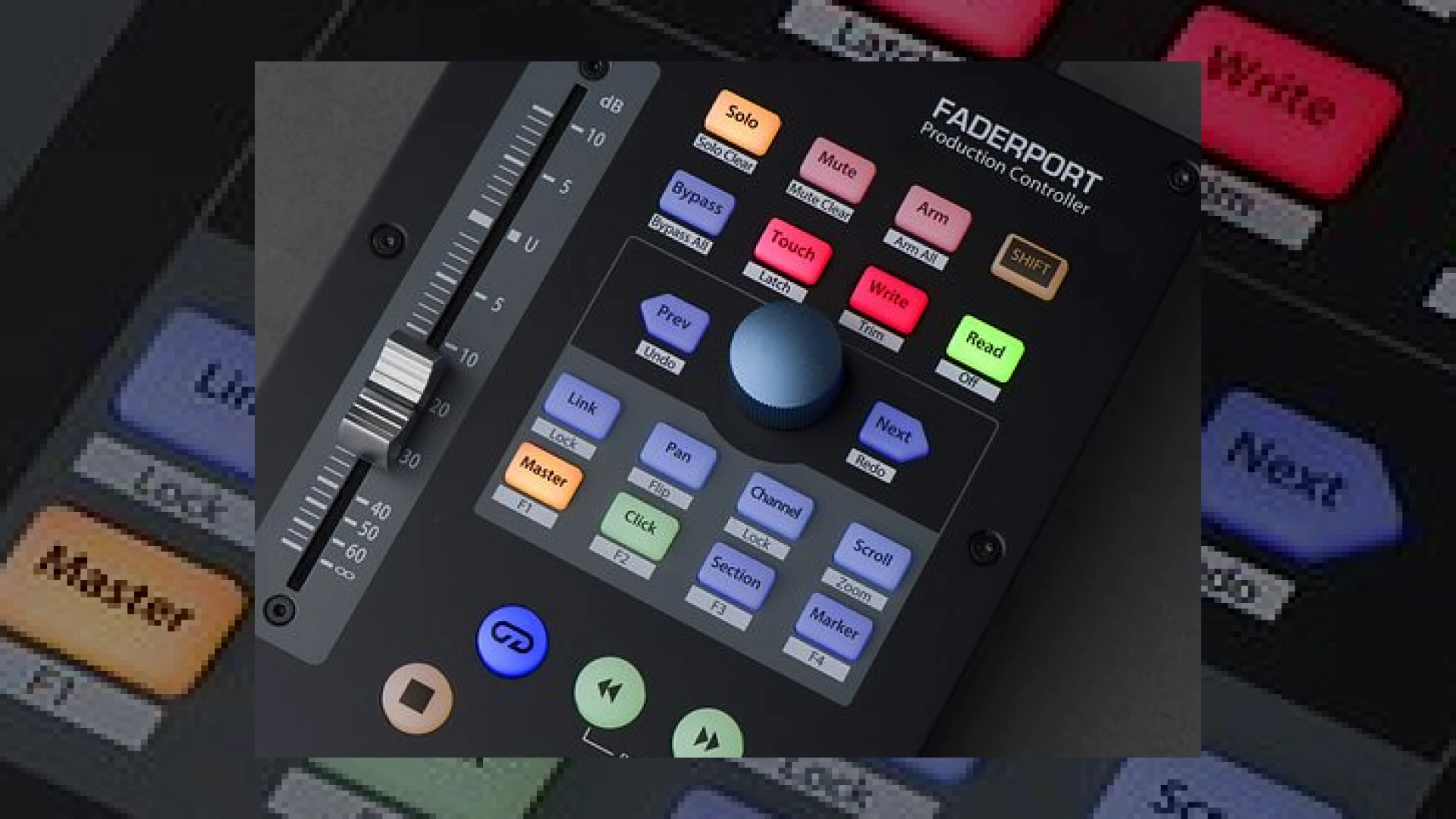
Visual context for PreSonus update FaderPort and intro Studio 2|4.
As digital audio workstations continue to evolve, hardware integration has become paramount for modern hybrid studios, which is why the recent announcement of the presonus update faderport and intro studio 2|4 has generated significant excitement among mixing and mastering engineers. Hardware tactile control combined with reliable, portable audio conversion solves many of the common ergonomic bottlenecks that producers face today. By bridging physical control with digital precision, PreSonus continues to establish itself as a leader in workflow-centric studio equipment.
Analyzing the PreSonus Update FaderPort and Intro Studio 2|4
When diving into the technical details of the presonus update faderport and intro studio 2|4, we observe how PreSonus has taken the legendary single-fader design of the original FaderPort and elevated it with modern integration features. The original unit, celebrated for over a decade, provided simple yet revolutionary touch-sensitive command over a single channel. This new edition expands that legacy by borrowing features from the highly acclaimed FaderPort 8 and 16. It maintains the premium 100mm touch-sensitive motorized fader but drastically improves native support for leading software like Ableton Live, Logic Pro, Pro Tools, and Cubase.
For engineers looking to optimize their mixing routine, adopting the presonus update faderport and intro studio 2|4 offers a massive leap in efficiency. The addition of the Session Navigator is a game-changer. This tactile encoder lets you scroll through your timeline, zoom in on complex audio waveforms, nudge regions, drop markers, and switch control modes on the fly. Simultaneously, the introduction of the Studio 2|4 USB-C audio interface provides home studio recordists and mobile producers with pristine 24-bit/192 kHz audio resolution powered by the highly regarded XMAX-L solid-state preamplifiers.
Additional product view and interface angle for PreSonus update FaderPort and intro Studio 2|4.
Ultimately, the combination presented by the presonus update faderport and intro studio 2|4 bridges the gap between digital precision and analog feel. You no longer have to rely solely on your mouse and keyboard to draw complex automation lanes or adjust channel pans. Instead, the high-definition converters in the Studio 2|4 ensure that you hear every nuance of your mix while the FaderPort gives you the physical leverage to execute flawless, expressive automation passes in real-time.
If you want to read more about gear integration, head over to our main hub for SM Mastering Audio Articles where we discuss how the presonus update faderport and intro studio 2|4 fits into high-end production environments. Having a tactile surface that talks natively to your DAW alongside a reliable, low-latency audio interface allows you to keep your focus entirely on the art of sound.

Additional product view and interface angle for PreSonus update FaderPort and intro Studio 2|4.
Hardware Specifications Comparison
To help you understand how these units fit into your budget and physical desktop setup, here is a breakdown of their primary specifications:
| Name | Use | Price | Rating |
|---|---|---|---|
| PreSonus FaderPort (Updated) | DAW Control Surface / Automation Controller | $219.00 USD | 4.7 / 5 |
| PreSonus Studio 2|4 | USB-C Portable Audio Interface | $149.00 USD | 4.5 / 5 |
Practical Studio Workflow Tips
- Ride Your Vocal Automation: Instead of drawing vocal automation points node-by-node with a mouse, use the touch-sensitive motorized fader on the updated FaderPort. Ride the fader in “Write” or “Touch” mode in real-time to achieve a natural, musical vocal balance.
- Streamline Editing with Session Navigator: Use the Session Navigator’s rotary encoder to scroll through large sessions quickly. Mapping your frequently used markers will allow you to jump between verses, choruses, and bridges instantly.
- Gain Stage with Preamps: When tracking vocals or instruments through the Studio 2|4, make sure to monitor your input levels through the visual LED meters on the front panel. Keep your transient peaks around -12 dBFS to maintain clean headroom before hitting your DAW.
Conclusion
The combination of tactile control and high-performance, compact conversion represents a major win for bedroom producers and traveling professionals alike. By modernizing their classic workflow tools, PreSonus has made it easier than ever to bring high-end tactile mixing and reliable preamplification into any workspace. Incorporating these tools into your setup will undoubtedly speed up your production time and elevate the precision of your mixes.
Frequently Asked Questions
Does the updated PreSonus FaderPort work with third-party DAWs?
Yes. While it offers deep native integration with PreSonus Studio One, the updated FaderPort includes dedicated Mackie Control and HUI emulation modes. This allows seamless operation with Ableton Live, Logic Pro, Pro Tools, Cubase, and more.
What preamps are used in the Studio 2|4 audio interface?
The Studio 2|4 is equipped with two professional-grade XMAX-L solid-state preamplifiers. These preamps are designed to deliver incredibly clean sound with high headroom, low noise, and excellent detail representation up to 192 kHz.
Is the FaderPort bus-powered, or does it require an external power supply?
While the transport controls and some LED buttons can run on USB bus power, the touch-sensitive motorized fader requires the included 12 VDC external power supply to operate its mechanical movements.
🛒 Official Product Info & Where to Buy
Check full technical specs, pricing, and purchase options directly from the official manufacturer or authorized dealer for PreSonus update FaderPort and intro Studio 2|4.
Written by SM Mastering
Official content on sound engineering, mixing, mastering, and advanced electronic production by SM Mastering.