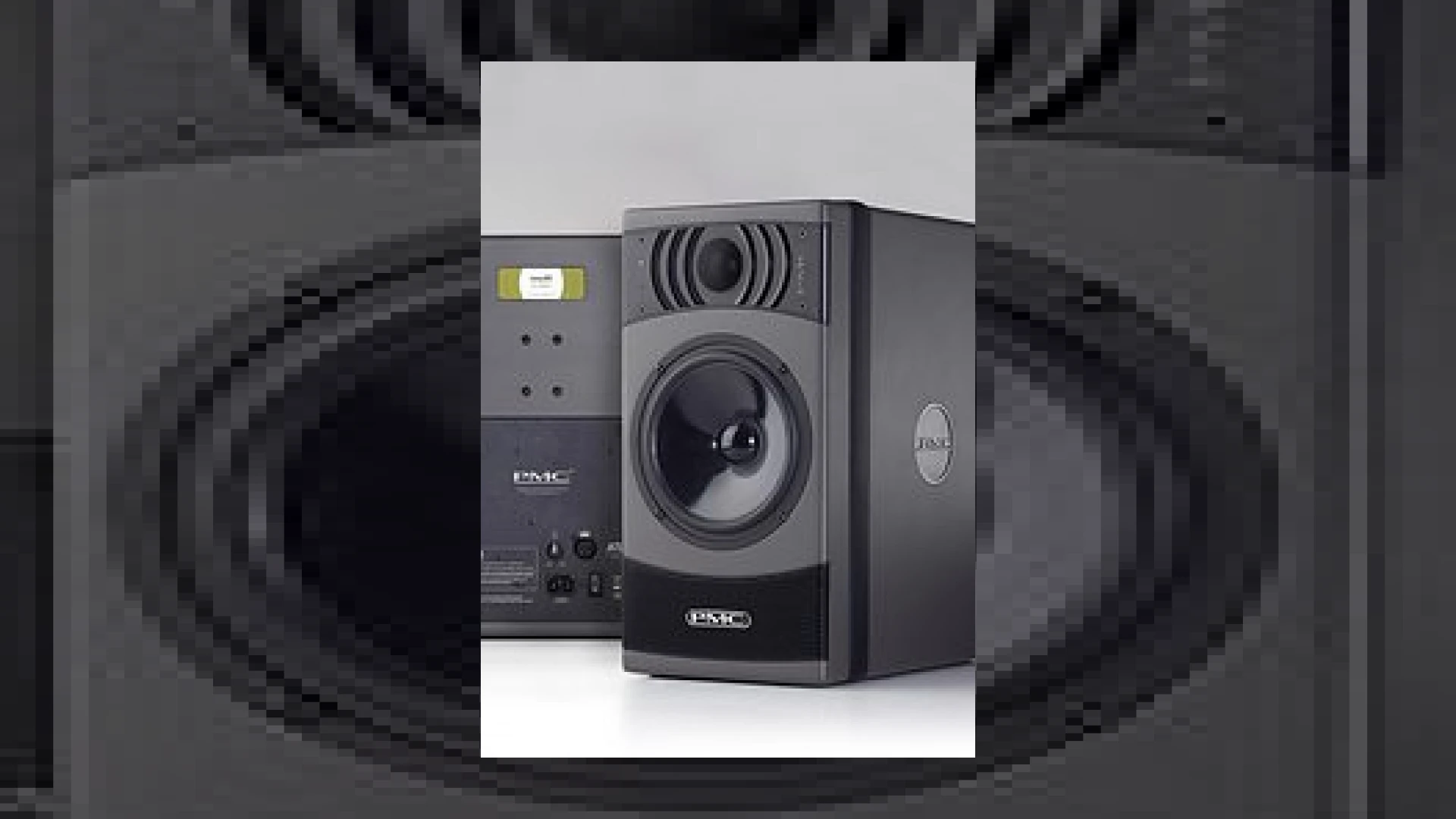
Visual context for AES 2017: PMC unveil result6 monitors (Video).
At SM Mastering, we are constantly tracking advancements in reference monitoring technology. The quest for translation-perfect masters requires highly accurate nearfield listening environments. At the 143rd Audio Engineering Society convention, a major milestone occurred that democratized high-end monitoring. During this landmark convention, the announcement of aes 2017: pmc unveil result6 monitors (video) shook up the pro audio market by bringing PMC’s legendary engineering to a far more accessible price tier.
Unlike standard monitors that rely heavily on digital signal processing (DSP) to correct acoustic anomalies, these speakers embrace an elegant, purely analogue approach. For those who followed the original coverage of aes 2017: pmc unveil result6 monitors (video), the most surprising element was the complete absence of complex back-panel EQ controls. Instead, PMC relies on meticulous physical cabinet engineering, a balanced XLR input, and a simple +/-10dB trim control to provide a flat, neutral frequency response straight out of the box.
Why aes 2017: pmc unveil result6 monitors (video) Changed the Nearfield Market
The secret weapon behind this active two-way loudspeaker is PMC’s proprietary Advanced Transmission Line (ATL) technology. By routing low-frequency energy through a highly calculated internal labyrinth lined with custom-specified acoustic foam, only the lowest frequencies escape the front port in perfect phase. When evaluating the impact of aes 2017: pmc unveil result6 monitors (video), we must consider how this ATL system delivers unparalleled low-end definition without the muddy, sluggish resonance typical of ported designs. This level of precision rivals legacy options from top brands like Neumann, yet offers a distinctive presentation unique to PMC’s driver architecture.
Many professionals tracking the launch of the aes 2017: pmc unveil result6 monitors (video) were particularly impressed by the addition of the “D-Fin” surround design around the high-frequency driver. This innovative waveguide edge eliminates cabinet edge diffraction, resulting in an incredibly wide sweet spot and pinpoint stereo imaging. No matter where you sit in your control room, the high-frequency response remains stable and accurate.
PMC result6 Technical Specifications
To help you understand where these monitors fit in your studio upgrade path, we have compiled their core specifications below:
| Product Name | Primary Use | Approx. Price (Pair) | SM Rating |
|---|---|---|---|
| PMC result6 | Nearfield Mixing & Mastering Reference Monitor | $2,950 USD | 9.4 / 10 |
Practical Studio Workflow Tips for PMC result6
Integrating a highly resolving monitor like the result6 into your room requires careful setup to maximize its performance. Here are our top integration recommendations:
- Optimal Decoupling: Because the Advanced Transmission Line produces highly efficient low-frequency energy, ensure the cabinets are placed on high-quality decoupling stands or isolation pads to prevent desk resonance.
- No Rear-Panel Tweaking Needed: Trust the physical design. Rather than hunting for DSP curves, focus on your physical acoustic treatment. The result6 is voiced flat; if it sounds too bright or bass-heavy, look to your room acoustics first.
- Translational Referencing: Use the wide “D-Fin” sweet spot to evaluate your stereo width and mid-side balance. Subtle changes in panning and reverb tails are highly visible on these monitors.
To explore more about optimizing your monitoring environment, configuring your routing, and preparing your tracks for professional release, check out our guide on SM Mastering Audio Articles.
Ultimately, the buzz surrounding aes 2017: pmc unveil result6 monitors (video) proved that simple, well-engineered analog designs still hold a massive advantage in modern mastering studios. By eliminating complex digital menus, PMC created a tool that lets engineers focus entirely on the music.
Frequently Asked Questions
What is ATL (Advanced Transmission Line) technology?
ATL is PMC’s proprietary design where the bass driver is placed at one end of a long, folded tunnel inside the cabinet. This tunnel is lined with specialized acoustic materials that absorb mid and high frequencies, allowing only the lowest bass notes to exit the front port in phase with the driver, resulting in cleaner, deeper low end.
Do the PMC result6 monitors have built-in DSP?
No. The PMC result6 is a purely analog design. It features no internal digital signal processing or corrective EQ. PMC engineered the physical cabinet, drivers, and crossover crossover components to deliver a flat, neutral response naturally.
Are these monitors suitable for mastering?
Yes, absolutely. Thanks to their fast transient response, wide stereo imaging from the D-Fin waveguide, and clean low-end extension, the PMC result6 monitors provide the high level of detail and phase accuracy required for professional mastering applications.
🛒 Official Product Info & Where to Buy
Check full technical specs, pricing, and purchase options directly from the official manufacturer or authorized dealer for AES 2017: PMC unveil result6 monitors (Video).

Written by SM Mastering
Official content on sound engineering, mixing, mastering, and advanced electronic production by SM Mastering.