At SM Mastering, we are constantly on the lookout for innovative tools that redefine how we approach dynamic control. During our coverage of the New York convention, the presentation of aes 2017: sound radix powair (video) caught the attention of mastering engineers worldwide due to its dual-stage leveling engine and highly adaptive compression algorithms. Powair represents a massive leap forward, moving beyond traditional VCA or opto-emulations to deliver a smarter, more transparent method of controlling program material without sacrificing transient detail.
Understanding how this plugin handles complex program material is essential for modern engineers. Unlike conventional compressors that apply a blanket gain reduction curve, the technology discussed in the aes 2017: sound radix powair (video) showcases a unique approach: combining a highly transparent loudness leveler with a secondary, ultra-fast dynamic processor. This dual-stage topography ensures that your mixes maintain their macroscopic dynamic range while controlling microscopic peak energy.
Technical Breakthroughs in aes 2017: sound radix powair (video)
The core innovation of Powair lies in its ITU-R BS.1770 compliant auto-gain engine. When analyzing the workflow shown in the aes 2017: sound radix powair (video), the integration of a K-weighted auto-gain loudness leveler stands out. It allows the compressor to react to the actual perceived loudness of the audio rather than being fooled by low-frequency energy or sudden, isolated peaks. This is a game-changer for mastering applications where transparency is paramount.
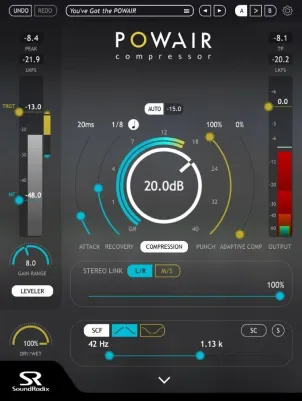
Additional product view and interface angle for AES 2017: Sound Radix Powair (Video).
Additionally, the plugin features an innovative “Punch” parameter. This control adjusts the attack curves dynamically, allowing transients to pass through unscathed while still maintaining strict control over the sustain portion of the signal. If you are familiar with advanced tools from companies like Soundtoys or Universal Audio, you will appreciate how Powair introduces a completely unique flavor of transparent leveling to your insert chain.
Specifications and Technical Data
To give you a better idea of where this processor fits in your mastering chain, we have compiled a quick overview of its specifications based on the manufacturer’s technical documentation:
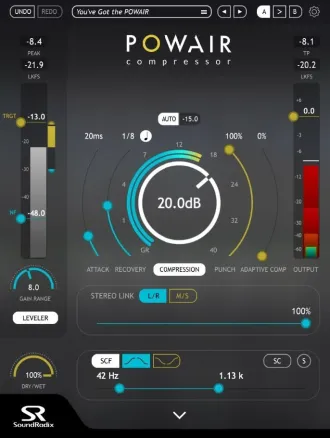
Additional product view and interface angle for AES 2017: Sound Radix Powair (Video).
| Specification Name | Primary Use Case | Estimated Price | SM Mastering Rating |
|---|---|---|---|
| Sound Radix Powair | Mastering & Group Bus Compression / Leveling | $149 USD | 4.8 / 5 Stars |
As demonstrated during the original launch coverage in the aes 2017: sound radix powair (video), this tool bridges the gap between transparent leveling and punchy compression, making it a stellar addition to any professional toolkit. For more deep dives into advanced mastering gear and techniques, feel free to explore our resource-rich SM Mastering Audio Articles database.
Practical Studio Workflow Tips for Powair
- Dual-Stage Gain Staging: Use the leveler stage to smooth out macro-dynamics across long vocal takes or instrument buses before letting the compression stage handle the micro-dynamics.
- Preserving the Transients: Utilize the ‘Punch’ control to keep the snap of the snare or kick intact. Start with a moderate setting and increase it until the transient cuts through the mix seamlessly.
- Sidechain Filtering: Engage the internal sidechain filter to prevent high-energy low frequencies (like sub-bass) from triggering unnecessary compression, keeping your low-end tight and punchy.
Conclusion
To wrap up our analysis of the aes 2017: sound radix powair (video) presentation, we can confidently state that Sound Radix has redefined dynamics processing. Powair is not just another vintage compressor clone; it is a highly intelligent, adaptive leveler designed to meet the rigorous demands of modern music production and mastering standards. By incorporating it into your workflow, you can achieve competitive loudness without the typical sonic degradation associated with heavy-handed limiting.
Frequently Asked Questions
How does the auto-gain leveler in Powair differ from standard compression?
Unlike standard compressors that react immediately to peak voltage thresholds, Powair’s auto-gain leveler uses an ITU-R BS.1770-compliant algorithm. This measures perceived loudness over time, providing smooth, natural volume adjustments that sound like manual fader rides rather than clamped-down compression.
Can Powair be used on individual tracks, or is it strictly for mastering?
While Powair is an exceptional mastering and bus tool, its adaptive compression engine makes it incredibly versatile for individual tracks. It works exceptionally well on lead vocals, voiceovers, dynamic bass guitars, and acoustic instruments where consistent levels are crucial.
Does Powair introduce significant latency to the signal chain?
Because of its advanced lookahead and continuous gain analysis algorithms, Powair does introduce some latency. It is highly optimized for mixing and mastering environments rather than zero-latency live tracking applications.
🛒 Official Product Info & Where to Buy
Check full technical specs, pricing, and purchase options directly from the official manufacturer or authorized dealer for AES 2017: Sound Radix Powair (Video).

Written by SM Mastering
Official content on sound engineering, mixing, mastering, and advanced electronic production by SM Mastering.