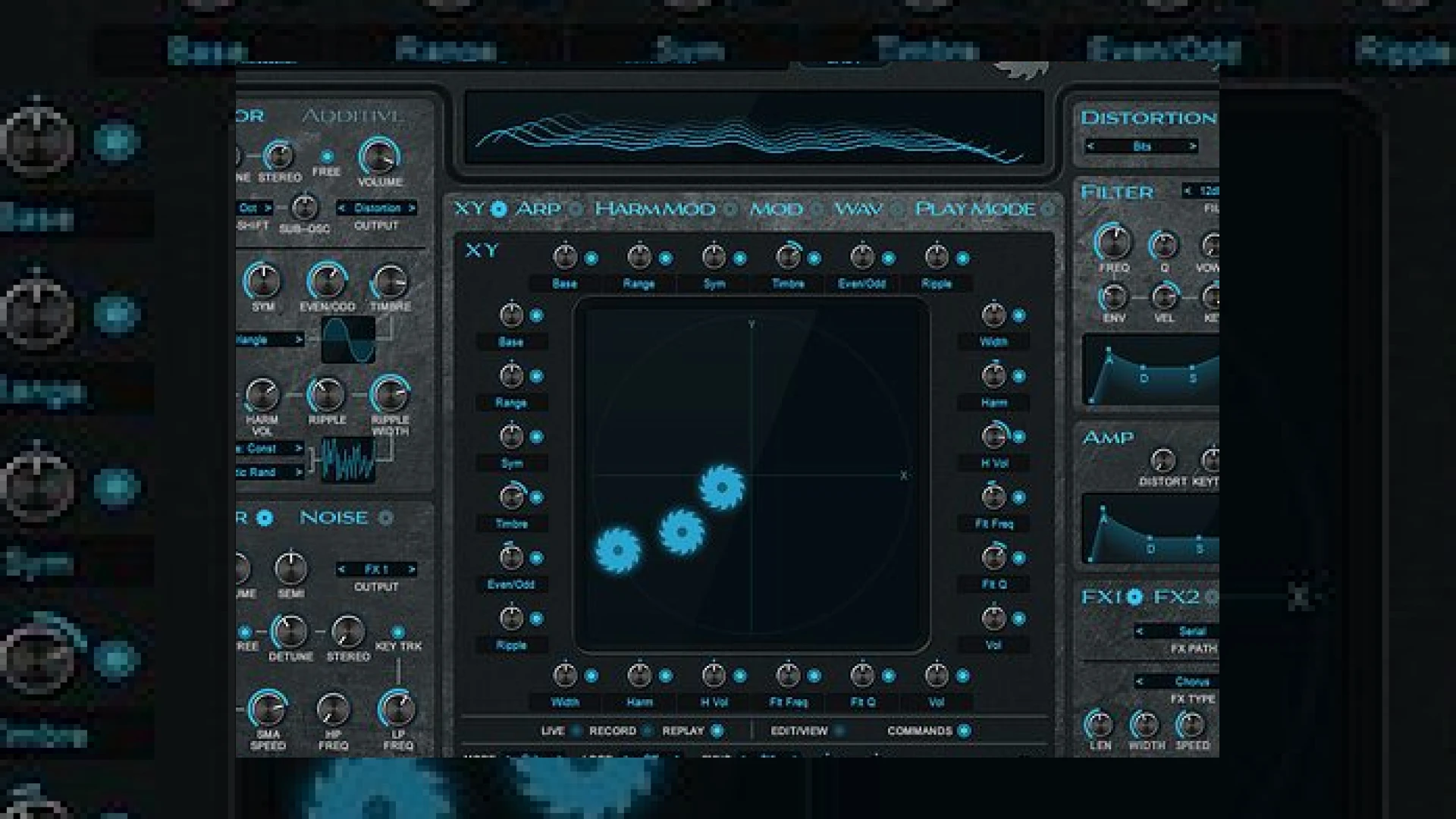
Visual context for Rob Papen releases Blade 2.
The electronic music production community is buzzing as rob papen releases blade 2, a massive evolution in the world of additive synthesis. In the modern production landscape, standing out requires unique sonic textures that go beyond standard subtractive synthesis. This brand-new virtual instrument builds upon the legacy of its 2012 predecessor, offering mastering engineers and electronic music producers unprecedented control over harmonic generation, timbre design, and dynamic modulation. At SM Mastering, we love analyzing how these software synths translate in a mastering environment. Be sure to check out our other guides and reviews at SM Mastering Audio Articles.
How Rob Papen Releases Blade 2 Redefines Additive Synthesis
At the core of this synthesizer is a highly advanced additive synthesis engine. Unlike traditional subtractive synths that start with a complex waveform and filter frequencies out, additive synthesis constructs sounds from the ground up by combining individual sine waves (partials). Now that rob papen releases blade 2, sound designers have access to an expanded 96 partials and 16 distinct timbre types. This allows for the generation of incredibly rich, evolving pads, aggressive digital basses, and metallic percussion sounds that cut through any mix with crystalline clarity.
For electronic music producers looking to blend these digital textures with classic analog warmth, routing this synthesizer through high-quality hardware emulations from industry leaders like Universal Audio can yield incredible depth. The combination of cutting-edge additive synthesis and vintage tube saturation is a staple technique in modern hybrid mastering workflows.
Key Features and Specifications
The updated architecture introduces a massive suite of features designed for intuitive workflow and endless sound design possibilities. Below is an overview of the key specifications of this powerful virtual instrument:
| Name | Use | Price | Rating |
|---|---|---|---|
| Blade 2 by Rob Papen | Additive & Subtractive Hybrid Synthesizer | Approx. €99 / $99 | 4.8 / 5.0 |
Technical Advancements: X/Y Modulation and the WAV Page
One of the headline improvements in this sequel is the enhanced X/Y pad. When rob papen releases blade 2, it introduces a completely assignable X/Y vector controller that can modulate any parameters within the synth engine. This allows for expressive, real-time automation of harmonic structures, filter sweeps, and effects processing simultaneously. Additionally, the integrated arpeggiator can now sequence not only notes but also the actual X/Y coordinate positioning, leading to rhythmic movement that is virtually impossible to replicate with standard LFOs.
Another revolutionary feature is the brand-new WAV page. Users can now drag and drop their own custom audio files directly into the analyzer. The synthesizer will process the sample and convert it into a static user waveform, allowing you to use your own recordings as the foundation for complex additive synthesis. Coupled with 36 diverse filter types, four classic subtractive-style oscillators (sine, saw, triangle, square), and an advanced four-voice Unison mode, this plugin offers unparalleled versatility.
Practical Studio Workflow Tips
To get the most out of this instrument in your daily production and mastering sessions, consider these professional workflow strategies:
- Keep the Low End Monophonic: Additive synthesis can generate complex, wide phase relationships. When designing bass patches, utilize the subtractive sub-oscillators and route them to a dedicated mono channel to maintain a solid low-end foundation.
- Automate the X/Y Pad for Mastering Depth: Subtle movements of the X/Y pad can create evolving background textures. These organic shifts prevent listener fatigue and make the final stereo master sound more dynamic and alive.
- Utilize the WAV Page for Unique Branded Sounds: Import your vocal stems or acoustic recordings into the WAV page to generate custom, signature pads that belong exclusively to your sonic brand.
Conclusion
It is clear that as rob papen releases blade 2, the boundaries of additive synthesis have been pushed further than ever before. With its intuitive GUI, massive modulation matrix, and powerful custom sample analysis, it represents an essential tool for any producer seeking to elevate their sound design. From lush cinematic soundscapes to heavy, industrial leads, this synth delivers pristine audio quality that translates beautifully in professional mastering sessions.
Frequently Asked Questions
Is Blade 2 backward compatible with presets from the original Blade?
Yes, the synthesis engine is built to support legacy presets, allowing you to import your classic sounds from the original Blade and enhance them with the new effects engines, filters, and modulation routing options available in the updated interface.
What are the system requirements for running this synthesizer?
It runs on both macOS and Windows systems as a 64-bit plugin. It supports VST, VST3, AU, and AAX formats, making it compatible with all major digital audio workstations (DAWs) including Ableton Live, Logic Pro, Pro Tools, and FL Studio.
Can I try the synthesizer before purchasing it?
Yes, Rob Papen offers a fully functional 30-day demo version on their official website. This allows you to explore the extensive WAV page, additive partials, and X/Y modulation capabilities in your own studio environment before committing to a purchase.
🛒 Official Product Info & Where to Buy
Check full technical specs, pricing, and purchase options directly from the official manufacturer or authorized dealer for Rob Papen releases Blade 2.
Written by SM Mastering
Official content on sound engineering, mixing, mastering, and advanced electronic production by SM Mastering.