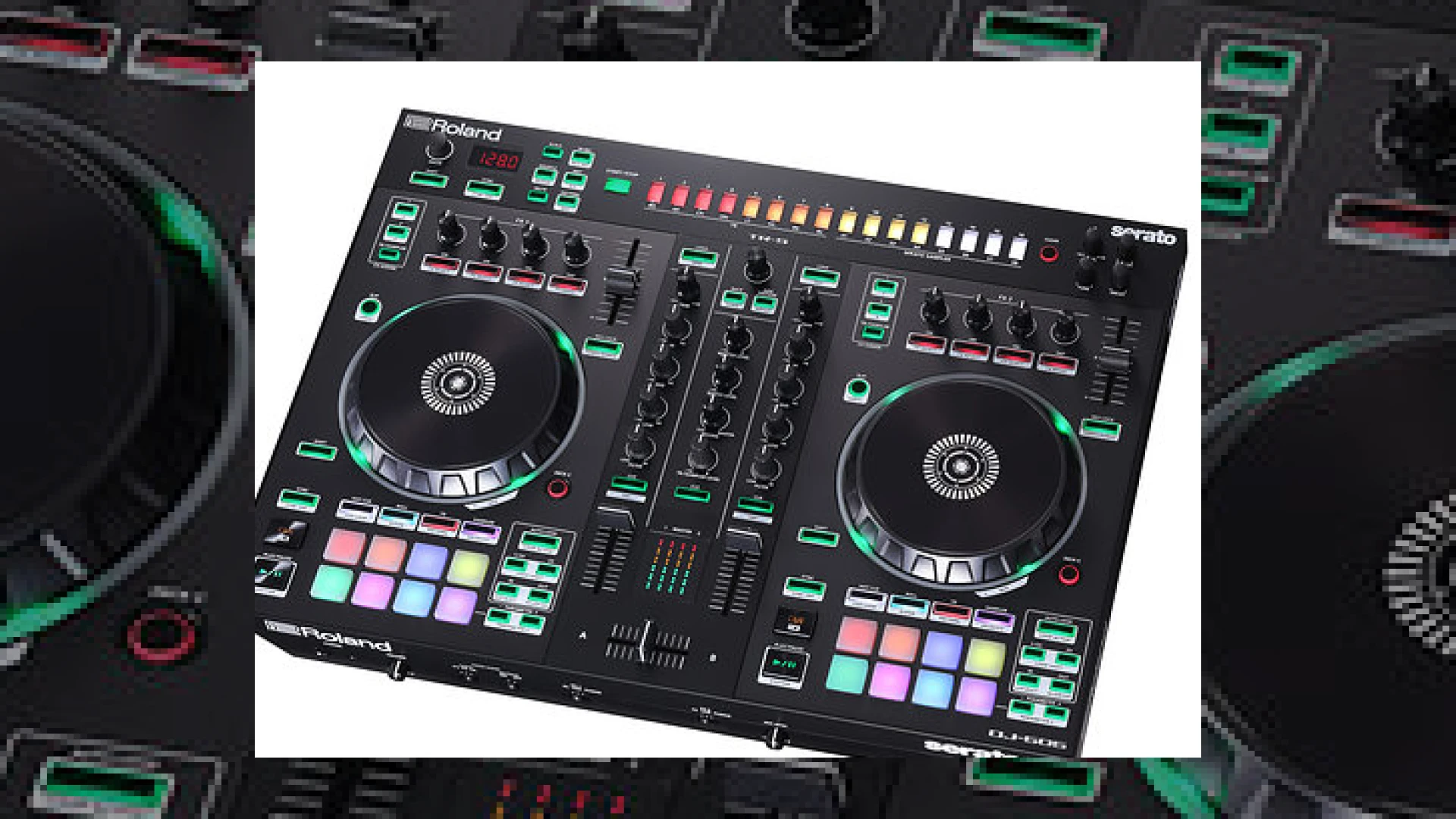
Visual context for Roland announce DJ-505 and DJ-202.
It was an exciting day for performance-driven producers and club DJs when roland announce dj-505 and dj-202, expanding their advanced DJ controller lineup. These two hardware additions borrow the cutting-edge DNA of the flagship DJ-808, streamlining hybrid workflow solutions for live remixing, beatmaking, and traditional DJing. As mastering engineers at SM Mastering, we pay close attention to the digital-to-analog conversion and dynamic output levels of these performance controllers. In this technical review, we will dissect the architectural differences, layout configurations, and sound qualities of these two highly anticipated units.
Following the massive wave of interest in legacy drum recreation, many hybrid setups became far more accessible once roland announce dj-505 and dj-202 to target different budget tiers. The integration of classic TR drum sounds directly into the Serato DJ environment bridges the historic gap between performance and live electronic music production. By retaining the core sequencing functions, Roland has created tools that cater to both bedroom hobbyists and touring club professionals. For deep dives into optimizing your live recordings for commercial release, feel free to explore our collection of tutorials at SM Mastering Audio Articles.
The Technical Evolution: Roland Announce DJ-505 and DJ-202
The performance community watched closely as roland announce dj-505 and dj-202, recognizing the immense potential of having low-latency platters paired with onboard step sequencing. The DJ-505 features a two-channel, four-deck configuration packaged with the complete Serato Tool Kit. Its high-resolution platters are optimized for scratching, offering ultra-low latency response that rivals analog setups. On the other hand, the DJ-202 serves as an ultra-portable, bus-powered alternative, making it exceptionally suited for mobile DJs, house parties, and rapid beat-battles without sacrificing performance capability.
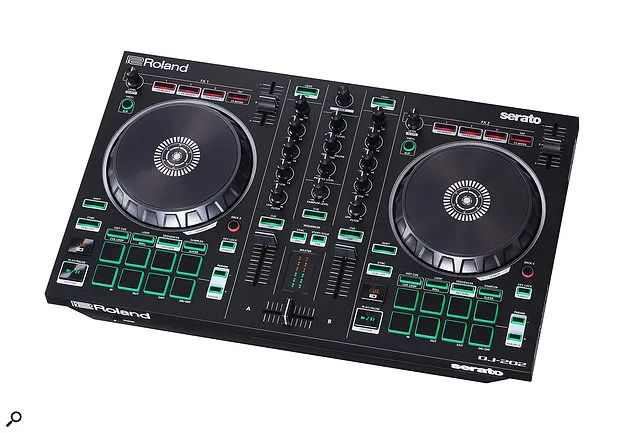
Additional product view and interface angle for Roland announce DJ-505 and DJ-202.
Both controllers come loaded with physical control layouts that mimic the workflow of legendary hardware. When looking back at the timeline of hybrid live performance gear, the decision to have roland announce dj-505 and dj-202 represents a major milestone. The physical inclusion of TR-808 and TR-909 kits allows users to sequence kick drums, snares, claps, and hi-hats in real-time, layering classic analog-modeled transients directly over active digital decks. To ensure your hybrid sets translate beautifully on club systems, mastering your custom-rendered Serato samples using professional tools from iZotope is highly recommended before loading them into your live performance library.
Specifications Comparison Table
| Name | Use | Price | Rating |
|---|---|---|---|
| Roland DJ-505 | Club DJing, Live Production, Studio Remixing | $699 | 4.7 / 5 |
| Roland DJ-202 | Mobile DJing, Beat Battles, Home Practice | $299 | 4.3 / 5 |
Practical Studio & Live Workflow Tips
- Gain Staging and Headroom: When layering the built-in TR-S drum sequencer sounds over digital music files, pay careful attention to your gain staging. Ensure your Serato channel trims are balanced with the sequencer level knob to prevent clipping on the master output stage.
- MIDI Out Clock Syncing: On the DJ-505, use the physical 5-pin MIDI Out port to synchronize external hardware synthesizers or modular rigs with Serato’s internal BPM. This allows you to integrate analog basslines flawlessly into your live DJ sets.
- Optimizing Samples for Performance: Ensure all custom samples loaded into your Serato Sampler have been properly limited and transient-shaped. This guarantees your custom audio triggers pack the same punch as professional master files.
Conclusion
Ultimately, when roland announce dj-505 and dj-202, they did not just release standard MIDI controllers; they integrated legendary drum machine hardware into portable digital workstations. Both instruments offer unparalleled performance control, ensuring that your live transitions are musical, rhythmic, and technically pristine. Whether you choose the feature-packed, standalone-capable DJ-505 or the highly portable, bus-powered DJ-202, you are unlocking advanced creative tools that redefine what is possible behind the decks.
Frequently Asked Questions (FAQ)
What is the main difference between the Roland DJ-505 and DJ-202?
The DJ-505 is a larger, robust controller featuring a standalone mixer capability, 5-pin MIDI output, balanced XLR master outputs, and the full Serato DJ Tool Kit. The DJ-202 is lighter, more compact, fully USB bus-powered, and geared primarily for mobility and quick setups.
Does the Roland DJ-505 support Serato DVS?
Yes, the Roland DJ-505 mixer is Serato DVS Upgrade Ready. You can connect physical turntables or media players directly to its line and phono inputs to control your digital tracks with control vinyl or CDs.
Do these controllers feature the authentic sounds of the TR-808 and TR-909?
Yes, both controllers feature onboard drum kits modeled directly from Roland’s classic TR-808 and TR-909 drum machines using proprietary ACB (Analog Circuit Behavior) technology, allowing you to sequence and play authentic drum sounds in real time.
🛒 Official Product Info & Where to Buy
Check full technical specs, pricing, and purchase options directly from the official manufacturer or authorized dealer for Roland announce DJ-505 and DJ-202.
Written by SM Mastering
Official content on sound engineering, mixing, mastering, and advanced electronic production by SM Mastering.