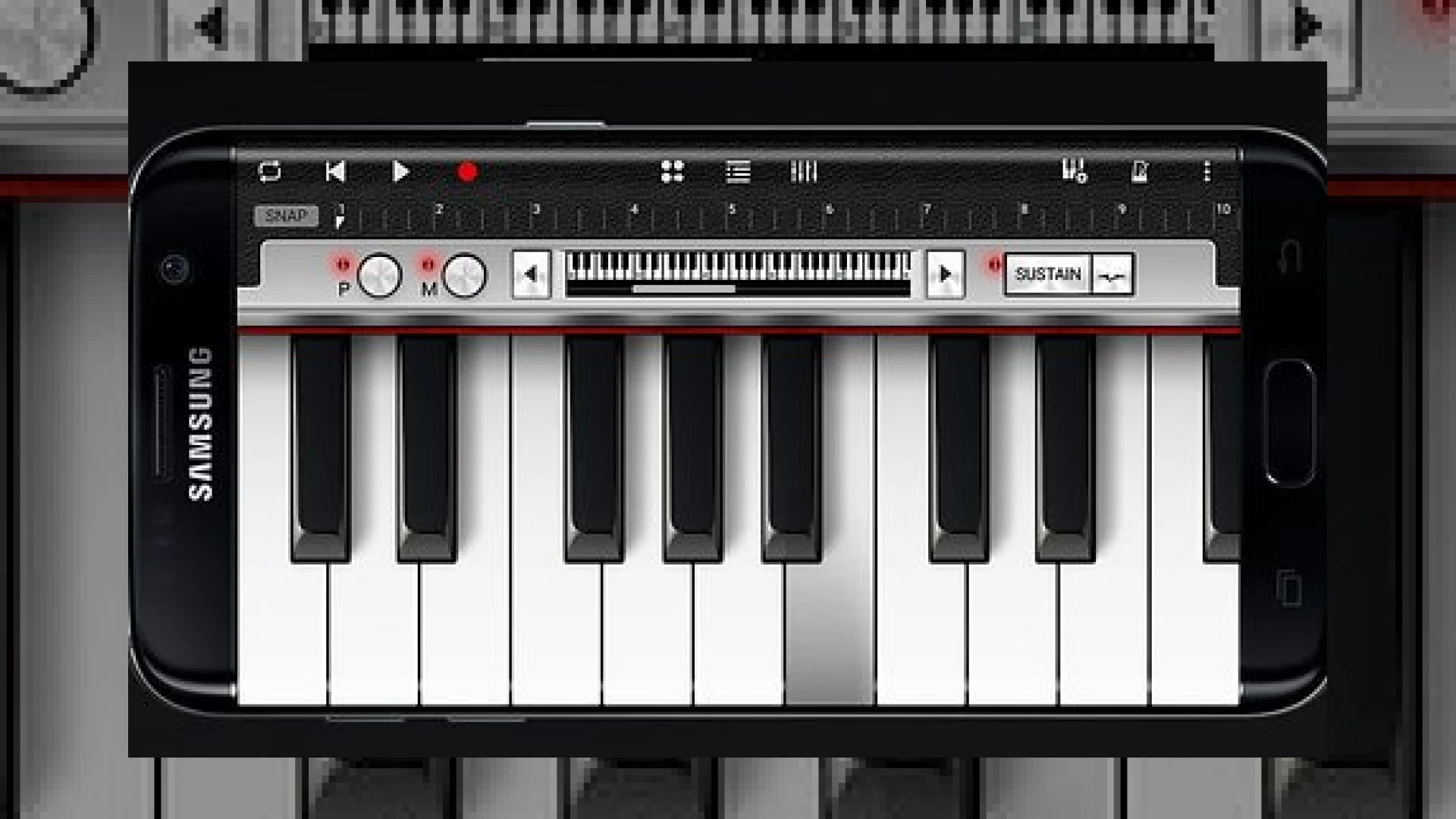
Visual context for Samsung kill Soundcamp Android music making app.
When the news officially broke that the tech giant would **samsung kill soundcamp android music making app** services permanently, mobile producers using the Android operating system were dealt a significant blow. Android has historically trailed behind iOS in terms of low-latency audio performance, and Samsung’s proprietary app was one of the few beacons of hope that bypassed these hardware limitations. As mastering engineers who frequently prep sessions originating from mobile platforms, we understand the technical disruption this discontinuation causes to mobile workflows.
For years, Android musicians struggled with audio latency issues due to the way the OS handled audio drivers. When Samsung launched Soundcamp, it utilized their custom Professional Audio SDK to bypass standard Android system latency. However, the decision to **samsung kill soundcamp android music making app** ecosystems means that over a million active creators are now forced to migrate their projects and find new DAW (Digital Audio Workstation) alternatives to continue their musical journeys.
The Technical Fallout: Samsung Kill Soundcamp Android Music Making App
At SM Mastering, we understand how disruptive software discontinuation can be to your creative flow. While our primary focus is delivering world-class stereo and stem mastering, we closely monitor mobile production shifts because many independent artists start their arrangements on mobile devices. The choice by Samsung developers to **samsung kill soundcamp android music making app** support officially on December 28, 2018, forced a massive shift in mobile workflows. You can read more about industry shifts, workflow optimization, and production techniques in our SM Mastering Audio Articles.
If you still have Soundcamp installed on an older device, note that future OS updates or device replacements will render the app permanently unavailable. Now that the **samsung kill soundcamp android music making app** capabilities are completely gone from the Google Play Store, professional developers like Ableton, Steinberg, and Image-Line are stepping up to bridge the gap with robust mobile DAWs that utilize modern Android low-latency APIs like AAudio and Oboe.
Ultimately, the strategic move to **samsung kill soundcamp android music making app** options reflects the shifting priorities of hardware manufacturers away from proprietary audio engines toward standardized Android audio APIs. While this is beneficial for long-term Android development, it left active Soundcamp users with orphaned project files and a sudden need for reliable replacement tools.
Top Android DAW Alternatives Compared
To help you transition smoothly from Soundcamp, we have analyzed the best modern Android DAWs based on stability, latency, feature set, and suitability for professional mixing and mastering workflows.
| Name | Primary Use | Price | Rating |
|---|---|---|---|
| FL Studio Mobile | MIDI Sequencing & Beat Making | $14.99 | 4.2/5 |
| Cubasis 3 | Multitrack Recording & Mixing | $29.99 | 4.0/5 |
| BandLab | Cloud Collaboration & Quick Ideas | Free | 4.5/5 |
| Caustic 3 | Rack-style Synthesis | $9.99 (Demo available) | 4.3/5 |
Practical Studio Workflow Tips After the Discontinuation
Transitioning away from Soundcamp requires a shift in how you manage your mobile audio assets. Follow these expert tips to ensure your music is ready for professional mastering:
- Export Individual Stems: Before your old device becomes obsolete, open your Soundcamp projects and export each track as a high-quality, uncompressed WAV file (24-bit/44.1kHz). This preserves your raw arrangements for import into another DAW.
- Optimize Android Latency: If you are using newer apps like Cubasis 3 or FL Studio Mobile, navigate to the audio settings and set the driver to AAudio or Oboe. This ensures you get the lowest possible round-trip latency.
- Use Cross-Platform Apps: Moving forward, prioritize mobile DAWs that have desktop counterparts (such as Cubasis to Cubase, or FL Studio Mobile to desktop FL Studio). This makes archiving and professional mastering pre-production significantly easier.
Conclusion
While the decision to discontinue Soundcamp was a major setback for Android-based music production, the mobile audio landscape has evolved rapidly since then. Modern APIs have finally brought low-latency performance to standard Android devices, making proprietary SDKs obsolete. By migrating your archive to modern DAWs, you can ensure your tracks are fully optimized for the final creative stage: professional mastering.
Frequently Asked Questions
Why did Samsung decide to discontinue Soundcamp?
Samsung chose to discontinue Soundcamp to streamline its software offerings and transition away from maintaining proprietary audio SDKs, especially as Google improved native Android audio latency with the introduction of AAudio and Oboe APIs.
Can I still use Soundcamp if I already have it installed?
Yes, if the app is already installed on your older Android device, you can continue using it. However, if you perform a factory reset, update your operating system, or replace your device, Soundcamp will no longer be available for download or supported.
How do I prepare my mobile projects for professional mastering?
To prepare your mobile projects, export each track as an individual, uncompressed 24-bit WAV stem with all master bus processing disabled. Ensure there is adequate headroom (around -6dBFS peak) so that mastering engineers have enough dynamic range to work with.
Written by SM Mastering
Official content on sound engineering, mixing, mastering, and advanced electronic production by SM Mastering.