
Visual context for Sonarworks launch Reference 4.
Achieving a translation-ready mix remains one of the most significant challenges for independent producers and seasoned mastering engineers alike. Even in professionally treated spaces, physical anomalies can distort frequency responses, leading to inaccurate decisions during the mixing and mastering stages. With the official sonarworks launch reference 4, audio professionals around the globe finally have access to a seamless calibration system that removes room coloration without complex hardware configurations. This software represents a major paradigm shift in how we approach monitoring accuracy, offering an immediate resolution to acoustic inaccuracies.
The Significance of the sonarworks launch reference 4
The announcement of the sonarworks launch reference 4 addresses core acoustic issues by introducing critical upgrades to the calibration engine. Most notably, Sonarworks has introduced a true zero-latency filter mode. Historically, DSP room correction software introduced substantial latency, making it virtually impossible to use during live tracking or vocal recording. With this fourth-generation update, musicians can track while listening to an instantly corrected frequency response. Furthermore, this software integrates perfectly with high-end monitoring systems like those from Neumann, ensuring that hardware and software calibration work hand-in-hand to produce pristine acoustic environments.
At SM Mastering, we analyzed how the sonarworks launch reference 4 manages to eliminate latency while maintaining phase response integrity. While linear phase filters are still available for high-precision mastering tasks where latency is not a concern, the new zero-latency option utilizes minimum-phase filters. This flexibility ensures that whether you are recording a vocal pass, mixing a multi-track session, or performing final master polishes, your monitoring environment remains perfectly flat and trustworthy. To learn more about optimizing your signal chain, check out our resources on the SM Mastering Audio Articles page.
Specifications and System Features
The software is divided into different modules tailored to your specific setup requirements. Below is an overview of the primary technical specifications of the software suite:
| Name | Use | Price | Rating |
|---|---|---|---|
| Reference 4 Headphone Edition | Headphone frequency response correction | $99 | 4.7 / 5.0 |
| Reference 4 Studio Edition | Full speaker and headphone calibration | $299 | 4.9 / 5.0 |
| Reference 4 Premium Bundle | Software with calibrated measurement microphone | $349 | 4.8 / 5.0 |
Practical Studio Workflow Tips
Setting up the software following the official sonarworks launch reference 4 guidelines takes less than ten minutes, but achieving optimal results requires attention to detail. Here are some practical steps to maximize your calibration accuracy:
- Microphone Placement: When using the speaker measurement module, ensure your measurement microphone is at exact ear height at your primary listening position (the “sweet spot”). Avoid placing objects between the microphone and your monitors.
- Manage Filter Modes: Use the Zero Latency mode during the tracking and recording phases to avoid lag. Switch to Optimum Phase or Linear Phase during mastering for maximum phase accuracy.
- Safe Headroom: Ensure that the “Safe Headroom” switch is enabled in the software. Correcting nulls in your room requires boosting certain frequencies, which can cause digital clipping if output levels are not safely attenuated.
- Bypass on Export: Always remember to bypass the plugin on your master bus before bouncing or exporting your final mix down, as the calibration curve is unique to your room and should not be printed onto the audio file.
Conclusion
Ultimately, the sonarworks launch reference 4 is more than just an incremental update; it is an essential toolkit that democratizes professional audio monitoring. By correcting the frequency deviations inherent to physical rooms and headphone designs, it allows engineers to focus entirely on their artistic decisions rather than compensating for equipment flaws. If you want your mixes to translate perfectly to consumer sound systems, clubs, and car stereos, incorporating this level of calibration into your workflow is highly recommended.
Frequently Asked Questions
Can I use Reference 4 with any headphones?
Yes. The headphone library in this version has been expanded to support over 100 popular headphone models. Sonarworks uses averaged profile curves created from multiple physical samples of each model to ensure high calibration accuracy.
Do I need a specific measurement microphone for the speaker calibration?
While using Sonarworks’ proprietary individually calibrated XREF 20 measurement microphone yields the most accurate results, you can use other standard omnidirectional measurement microphones by uploading their specific calibration profile into the software.
Does the software correct room reflections and reverberation?
Reference 4 corrects the frequency response anomalies (peaks and nulls) caused by your room’s acoustics. However, it cannot alter the physical decay time or reverb of your room. It is highly recommended to combine acoustic treatment with software calibration for optimal performance.
🛒 Official Product Info & Where to Buy
Check full technical specs, pricing, and purchase options directly from the official manufacturer or authorized dealer for Sonarworks launch Reference 4.
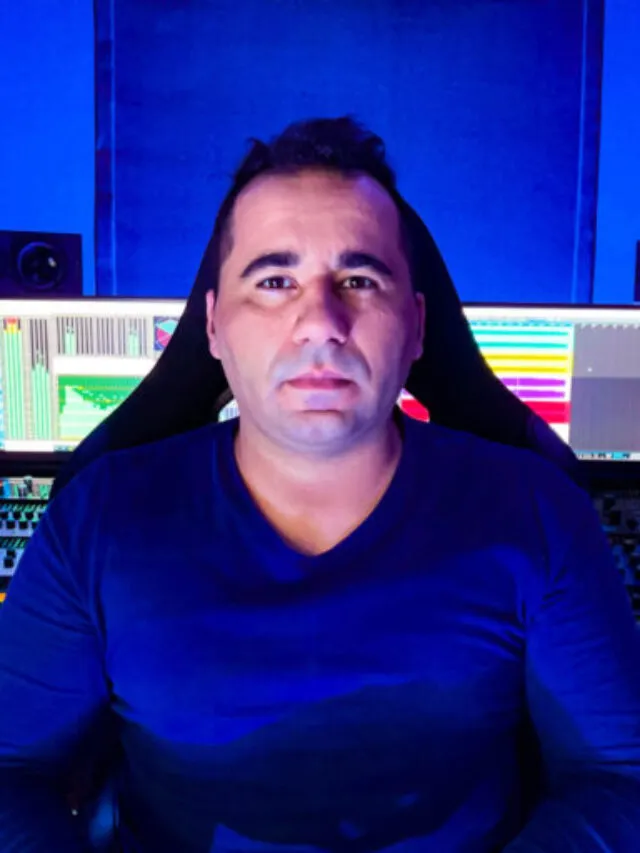
Written by SM Mastering
Official content on sound engineering, mixing, mastering, and advanced electronic production by SM Mastering.