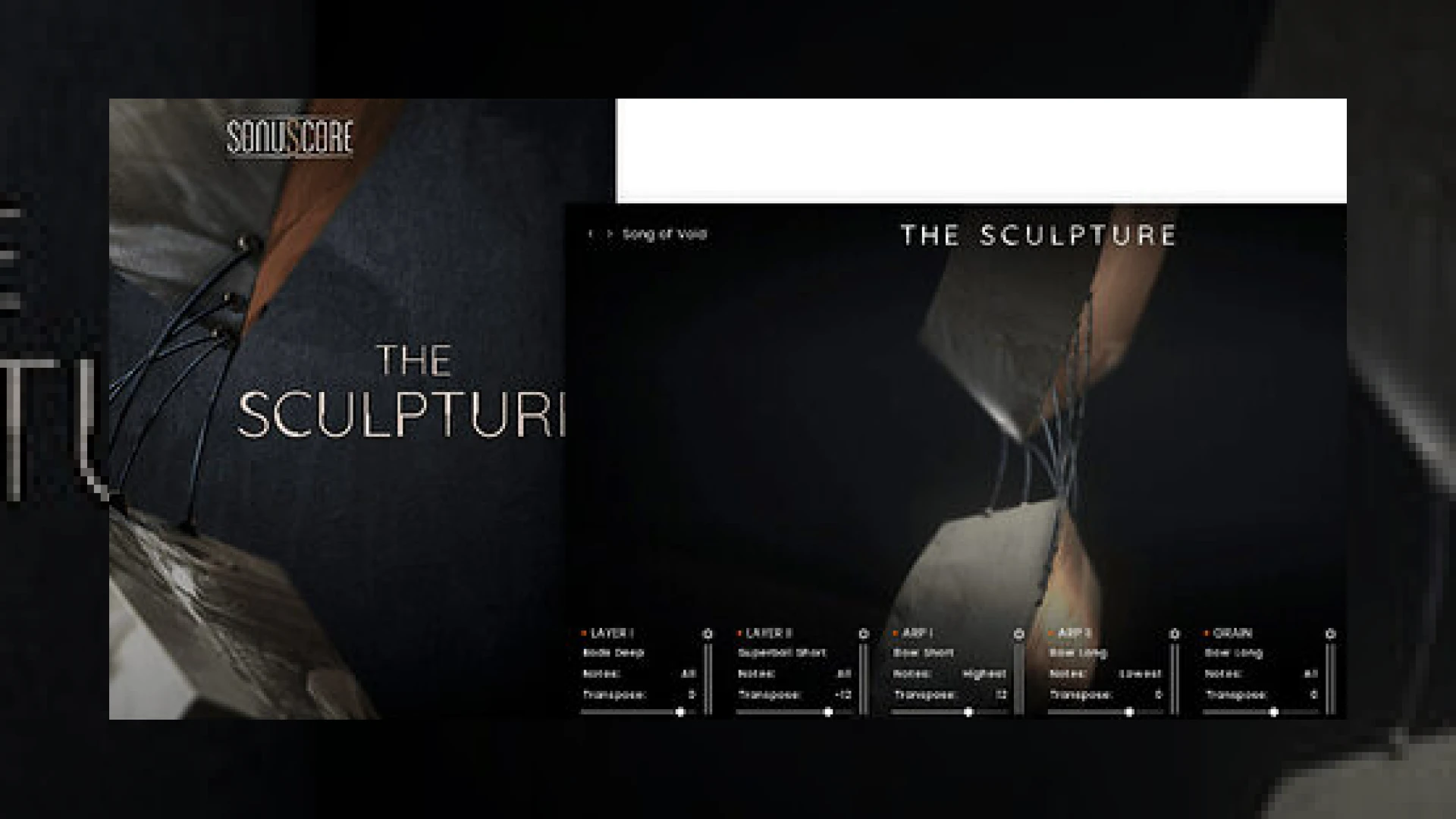
Visual context for Sonuscore release The Sculpture.
As mastering engineers, we are constantly on the lookout for acoustic textures that break the monotony of digital synthesis. This week, the sound design community has been treated to an extraordinary new tool with the official **sonuscore release the sculpture**. Built entirely from the meticulous recordings of a single, hand-built metal sound sculpture—one of only about ten in existence worldwide—this library offers an organic yet otherworldly palette. In this technical review, we will explore how this library can inject unique harmonic complexity into your productions and how to prepare these dense metallic frequencies for professional mastering.
The Sonic Philosophy Behind the Sonuscore Release The Sculpture
The core of the **sonuscore release the sculpture** lies in its rare physical origin. Sonuscore recorded every square inch of this magnificent metal object to capture its full acoustic resonance. The instrument features large upper and lower metal plates that ring with a rich, almost synthesizer-like sustain when struck. Additionally, thin connecting rods yield delicate, intricate granular details when played with a bow.
To achieve a pristine acoustic representation, Sonuscore captured the instrument using four distinct microphone positions, giving composers complete control over the spatial depth. When mixing these acoustic textures, precision tools from industry leaders like iZotope can help balance the dynamic resonance before sending your final mixdown to mastering. To learn more about preparing complex acoustic layers for final distribution, check out our guides on SM Mastering Audio Articles.
Two Distinct Workflow Philosophies: Single vs. Engine
The library is handily divided into two separate instruments to cater to different studio workflows:
- The Single Instrument: Designed for purists and sound designers who require raw, unadulterated acoustic recordings. This option provides direct, unaltered access to the original samples across all four microphone perspectives, allowing you to manipulate the raw physical behavior of the sculpture.
- The Engine Instrument: For those looking for instant cinematic inspiration, the Engine layers five distinct voices. It features two freely playable voices, two advanced arpeggiators, and one highly creative granular engine. Coupled with built-in slot and master effects, it allows users to effortlessly morph metallic strikes into evolving, epic soundscapes.
This dual-engine architecture in the **sonuscore release the sculpture** ensures that both traditional composers and experimental sound designers can find immediate utility within their DAW.
Technical Specifications
| Specification | Details |
|---|---|
| Name | The Sculpture (by Sonuscore) |
| Primary Use | Cinematic Soundscapes, Organic Textures, Avant-garde Composition |
| Price | €79 (Niche Instrument Pricing) |
| Rating | 4.7 / 5 Stars |
Practical Studio Workflow Tips for Mastering and Mixing
Because metallic physical instruments carry extremely dense, non-harmonic overtones, they can easily clutter a mix. Here are three expert tips for integrating this library into your tracks:
- Tame the High-Mid Ringing: Metal plates can build up harsh resonances around 2.5 kHz to 4 kHz. Use a dynamic EQ to pull down these frequencies only when the plates are struck hard, preserving the natural sustain.
- Leverage the Four Mic Positions: Instead of using artificial reverb, blend the rear or ambient microphone channels within the Single instrument to create organic depth. This preserves phase coherence much better than external spatial plug-ins.
- Keep the Low-End Clear: The granular engine can create low-frequency buildup. High-pass filter your soundscape tracks around 80 Hz to leave room for the kick and sub-bass in your master.
Conclusion
Ultimately, the **sonuscore release the sculpture** is a testament to the beauty of physical acoustic phenomena. While Sonuscore openly admits that this is a niche instrument rather than a broad-audience release, its distinct textures are exactly what will make a track stand out in a crowded market. Whether you use the raw organic transients of the Single instrument or the morphing clouds of the Engine, it is a brilliant addition to any adventurous composer’s toolkit.
Frequently Asked Questions
What is the source material for Sonuscore’s The Sculpture?
The entire library is built from recordings of a single, hand-built metal sound sculpture. There are only about 10 of these physical objects in existence worldwide, making its sonic footprint incredibly rare.
Can I play the raw instrument without synthetic processing?
Yes. The library ships as two instruments. The “Single” instrument gives you direct, unprocessed access to the raw acoustic recordings across four microphone perspectives, while the “Engine” instrument uses arpeggiators and granular synthesis to create evolving textures.
Is this library suitable for mainstream pop or electronic music?
While Sonuscore describes it as a niche instrument for adventurous composers, the metallic transients and granular textures can easily be processed to create unique percussion hits, transitions, and ambient pads for electronic music and pop.
🛒 Official Product Info & Where to Buy
Check full technical specs, pricing, and purchase options directly from the official manufacturer or authorized dealer for Sonuscore release The Sculpture.

Written by SM Mastering
Official content on sound engineering, mixing, mastering, and advanced electronic production by SM Mastering.