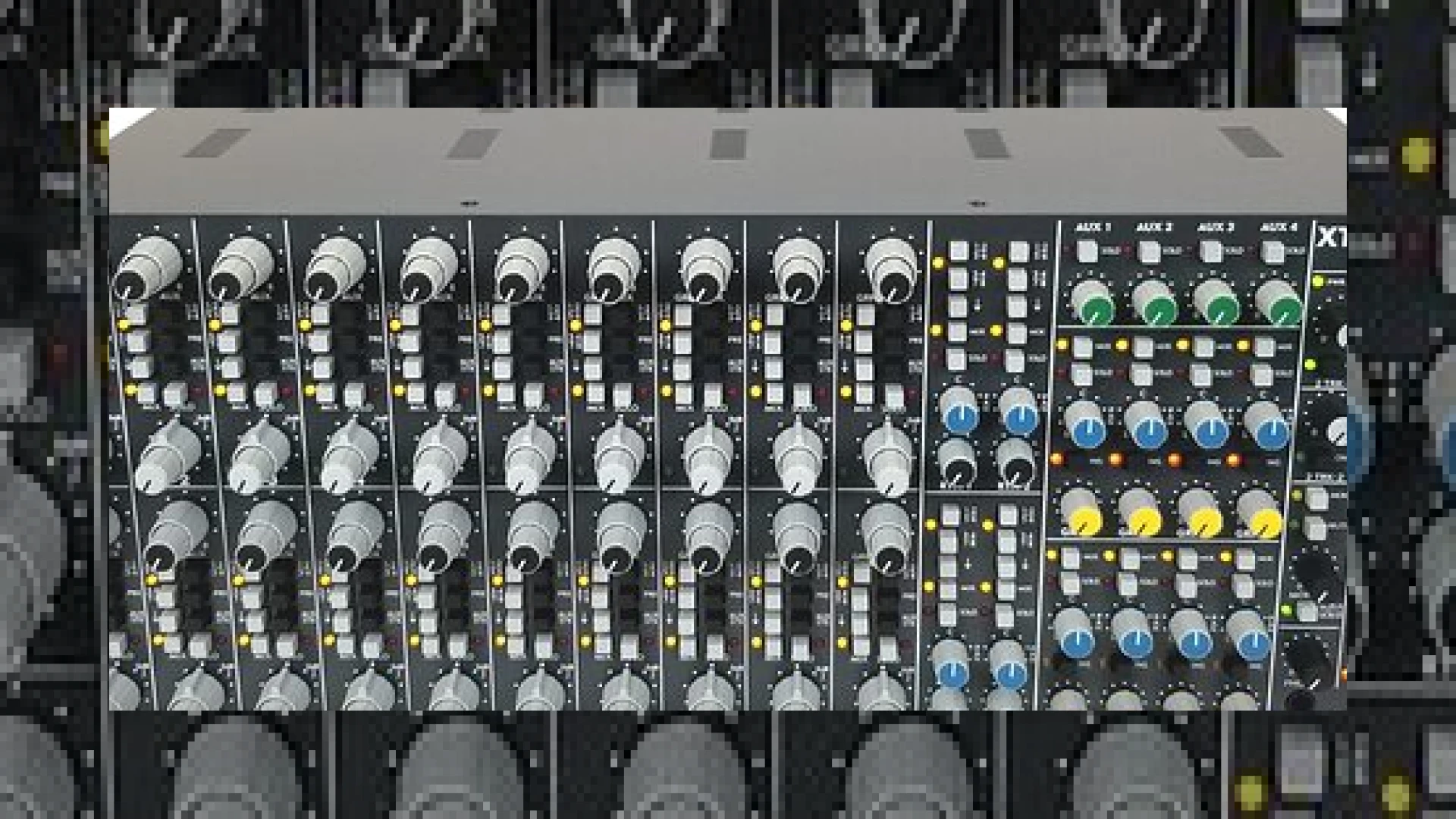
Visual context for Speck revive the Xtramix.
The pro audio landscape is experiencing a massive hardware resurgence. For synthesizer collectors and hybrid studio owners, managing a high channel count of line-level instruments has always been a complex cabling challenge. This is why engineers around the world are thrilled to see speck revive the xtramix in the form of the brand-new Xtramix X6. In an era dominated by software, having high-quality, high-headroom analog summing and routing directly in your rack is a game-changer for hybrid workflows.
When routing multiple synthesizers, drum machines, and outboard preamps, audio quality cannot be compromised. While many studios rely on digital audio interfaces from brands like Universal Audio to handle conversion, having a dedicated analog line mixer preserves the organic punch and wide stereo imaging of your hardware. As we dive deeper into this technical review, we will explore why this relaunch is so critical for modern producers.
How Speck Revive the Xtramix for the Modern Era
To understand the impact of this release, we must look at the history of rackmount line mixers. Originally launched in 1992, the original Xtramix solved major routing issues for MIDI-heavy studios filled with sampler racks and keyboard workstations. However, as DAW-centric setups took over in the 2000s, production of these line mixers eventually halted. Now that hardware synths are back in style, the market demand has peaked, prompting the decision to let speck revive the xtramix for a new generation of hybrid musicians.
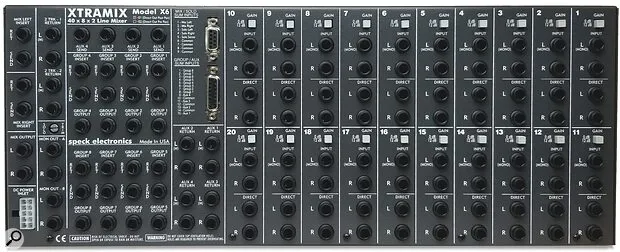
Additional product view and interface angle for Speck revive the Xtramix.
With the new X6 version, the internal architecture is cleaner, quieter, and more compact than ever. When we analyze how speck revive the xtramix, we find 20 stereo input channels, four aux sends, eight groups, and a pristine stereo mix bus packed into a sleek 4U rackmount chassis. This eliminates the need for massive, space-consuming mixing consoles while maintaining premium, high-headroom analog signal paths.
Technical Specifications
The Speck Xtramix X6 is designed specifically for line-level sources, offering an incredible amount of connectivity without taking up valuable studio real estate. Below is an overview of the key specifications:
| Name | Use | Price (Estimated) | Rating |
|---|---|---|---|
| Speck Xtramix X6 | Analog Line Mixer & Summing Mixer | $4,200 USD | 4.9 / 5.0 |
Practical Studio Workflow Tips
Integrating a high-density line mixer into your modern DAW-based studio requires some strategic routing. By choosing to let speck revive the xtramix, the manufacturer has provided engineers with flexible routing options that can optimize any tracking or mixing workflow. Here are three practical tips to get the most out of your unit:
- Synthesizer Sub-mixing: Connect all your stereo synthesizers and drum machines directly to the 20 stereo inputs. You can keep all your hardware live and active, allowing you to jam and record without ever needing to re-patch a single cable.
- Parallel Analog Processing: Use the four auxiliary sends to route specific instruments to analog hardware compressors or creative delay pedals, returning the wet signals back into the dedicated stereo aux returns.
- DAW Summing Engine: Send individual stem outputs from your DAW outputs back into the Xtramix X6. Summing your final mix through the high-headroom analog bus adds depth, clarity, and analog glue that digital plugins struggle to replicate.
If you want to read more technical hardware reviews and learn how to optimize your master bus chain, check out our comprehensive library of SM Mastering Audio Articles.
Conclusion
Ultimately, the decision to let speck revive the xtramix satisfies a long-standing void in the premium rackmount mixer market. It bridges the gap between classic analog workflow and modern hybrid flexibility, delivering unmatched headroom, massive routing capabilities, and a transparent signal path. For professional production houses and synth-heavy project studios alike, the Xtramix X6 is a legendary tool reborn for the modern age.
Frequently Asked Questions (FAQ)
Is the Speck Xtramix X6 a microphone preamp?
No, the Xtramix X6 is a dedicated line-level mixer. It does not contain microphone preamplifiers. It is designed to accept line-level signals from synthesizers, samplers, drum machines, external preamps, and digital-to-analog converters.
Can I use the Xtramix X6 as an analog summing mixer?
Yes, absolutely. Thanks to its ultra-low distortion, wide frequency response, and high-headroom active summing buses, the Xtramix X6 acts as an exceptional analog summing mixer for your DAW stems.
How many rack spaces does the Xtramix X6 occupy?
The Xtramix X6 is designed to fit into a standard 19-inch equipment rack and occupies 4U of vertical rack space.
🛒 Official Product Info & Where to Buy
Check full technical specs, pricing, and purchase options directly from the official manufacturer or authorized dealer for Speck revive the Xtramix.

Written by SM Mastering
Official content on sound engineering, mixing, mastering, and advanced electronic production by SM Mastering.