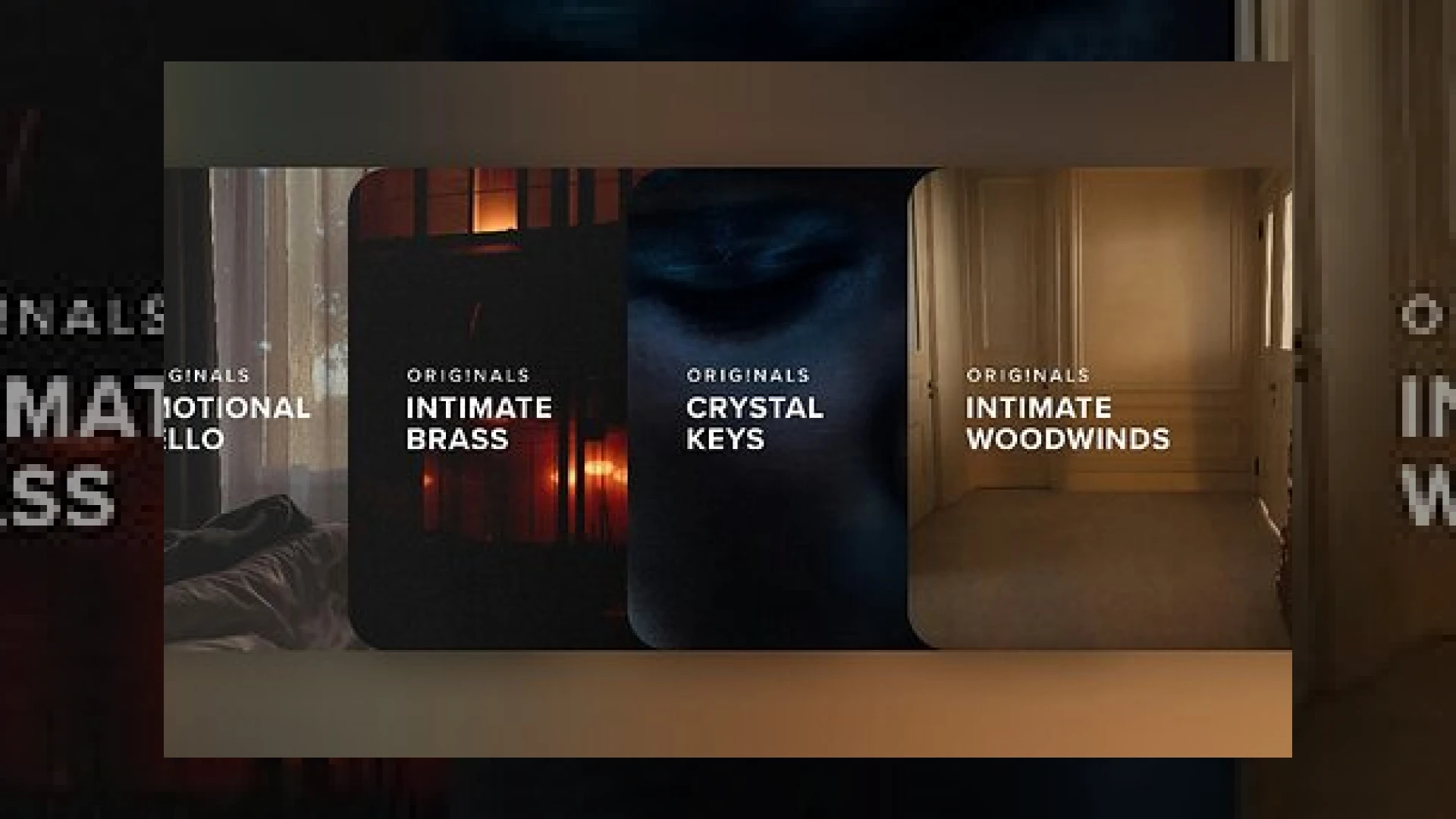
Visual context for Spitfire Audio expand low-cost Originals range.
As mastering and mixing engineers at SM Mastering, we constantly monitor how modern sample libraries translate to the final master. Dynamic range, acoustic spacing, and transient clarity are the pillars of a professional-grade mix. When high-end developer Spitfire Audio announced their decision to expand their budget-friendly collection, it immediately caught our attention. The industry-wide impact of the initiative to watch spitfire audio expand low-cost originals range to a total of 21 titles cannot be overstated, especially for home-studio producers who demand world-class acoustics without the premium price tag.
Recorded at the legendary AIR Studios’ Lyndhurst Hall and Spitfire Studios, these four new entries bring unmatched boutique textures into the hands of budget-conscious composers. Whether you are prepping a track for spatial audio or standard stereo mastering, understanding how these light-weight, high-fidelity libraries sit in a mix is essential. Many producers often look to top-tier analog hardware from brands like Universal Audio to warm up digital instruments, but these new libraries are recorded with such pristine signal paths that they require very little corrective processing.
Why the spitfire audio expand low-cost originals range Matters for Producers
Budget orchestral libraries often suffer from “sterile” room simulation or limited microphone perspectives. When developers like spitfire audio expand low-cost originals range with high-end recordings, they break this stereotype. By recording at AIR Studios, the captured natural reverberation provides a three-dimensional depth that cheap synthetic reverbs simply cannot replicate. In our mastering suite, we find that organic spatial depth translates to a much wider, more cohesive stereo image during final processing.
The four new additions target intimate, character-rich sounds rather than bombastic, cinematic tuttis. Let’s look at the breakdown of these new tools:
- Emotional Cello: Created with London cellist Reinoud Ford, offering 11 expressive techniques ranging from flautando to experimental circular bowing. It features Close, Room, and a highly sought-after analog-treated Vintage signal.
- Intimate Brass: A custom quartet of tuba, euphonium, tenor trombone, and flugelhorn designed for restraint and breathy textures rather than aggressive brassy stabs.
- Intimate Woodwinds: A curated ensemble featuring bassoon, bass clarinet, clarinet, alto flute, and flute, capturing delicate, breath-textured performances.
- Tuned Glass Rods: An otherworldly instrument built from chromatically tuned glass rods, providing crystal-clear transients and hauntingly beautiful resonances.
By choosing to spitfire audio expand low-cost originals range, the British sound design giants are catering to composers who need delicate, nuanced textures that can easily weave between synthesizers and acoustic elements without muddying up the low-mids of a mix.
Specifications & Overview Table
To help you decide which tool fits your current production template, we have summarized the key details of these new additions below:
| Name | Use Case | Price | Rating |
|---|---|---|---|
| Originals Emotional Cello | Expressive solo cello lines & avant-garde textures | £29 / $29 / €29 | 4.9 / 5.0 |
| Originals Intimate Brass | Warm, subtle brass pads & delicate swells | £29 / $29 / €29 | 4.7 / 5.0 |
| Originals Intimate Woodwinds | Chamber-style woodwind arrangements | £29 / $29 / €29 | 4.6 / 5.0 |
| Originals Tuned Glass Rods | Ethereal, high-transient cinematic soundscapes | £29 / $29 / €29 | 4.8 / 5.0 |
Practical Studio Workflow Tips
When integrating these new instruments into your workflow, mastering engineers look for specific spectral balances. Here are a few practical tips to maximize their utility in your next mix session:
1. Capitalize on the Three Microphone Positions
Each of these libraries comes equipped with three distinct signal controls (typically Close, Room/Mix, and Vintage). When we analyze tracks at SM Mastering, we often suggest blending the Close signal for transient definition, while using the Vintage signal (often processed through analog tape or vintage preamps) to add harmonic saturation. For further production insights and mixing guides, feel free to explore our curated SM Mastering Audio Articles.
2. Managing Dynamic Low-End Resonance
The Emotional Cello contains incredible low-end weight, especially when utilizing circular bowing. To prevent this from competing with your sub-bass or kick drum, apply a dynamic EQ side-chained to your primary low-frequency instruments. The organic quality of these instruments shines when allowed to breathe, and this design philosophy shines through as we watch spitfire audio expand low-cost originals range to incorporate nuanced woodwinds and solo cello textures.
3. Gentle Transient Shaping
Instruments like the Tuned Glass Rods have exceptionally sharp initial transients. While beautiful, too many sharp transients can cause digital clipping or limiters to work too hard during the mastering stage. Use a high-quality transient designer to soften the attack slightly if you plan to push your master to commercial loudness levels.
Conclusion
The expansion of the Originals series represents a massive win for modern music producers, television composers, and sound designers. By providing access to the pristine acoustic environments of AIR Studios at a fraction of the cost of standard symphonic libraries, Spitfire Audio has democratized high-fidelity acoustic sampling. As you incorporate these instruments, remember that less is often more; their organic imperfections and breath-textured dynamics are what make them truly special in a final master.
Frequently Asked Questions
What is the benefit of the Vintage signal in these libraries?
The Vintage signal is curated using vintage ribbon microphones routed through rare tube preamps and analogue tape machines. This adds rich harmonic coloration, naturally taming harsh digital highs and making the instruments sit beautifully in a mix without needing heavy third-party saturation plugins.
Are these libraries resource-intensive for older computers?
No. One of the main reasons composers are excited to see the spitfire audio expand low-cost originals range is that these instruments run inside Spitfire’s dedicated, lightweight plugin. They are highly optimized, consume very little RAM, and load significantly faster than their larger Kontakt-based counterparts.
Can these libraries be used for commercial releases?
Absolutely. All libraries in the Spitfire Audio Originals range are completely royalty-free and licensed for use in commercial music production, film scoring, game development, and broadcast media.
🛒 Official Product Info & Where to Buy
Check full technical specs, pricing, and purchase options directly from the official manufacturer or authorized dealer for Spitfire Audio expand low-cost Originals range.
Written by SM Mastering
Official content on sound engineering, mixing, mastering, and advanced electronic production by SM Mastering.