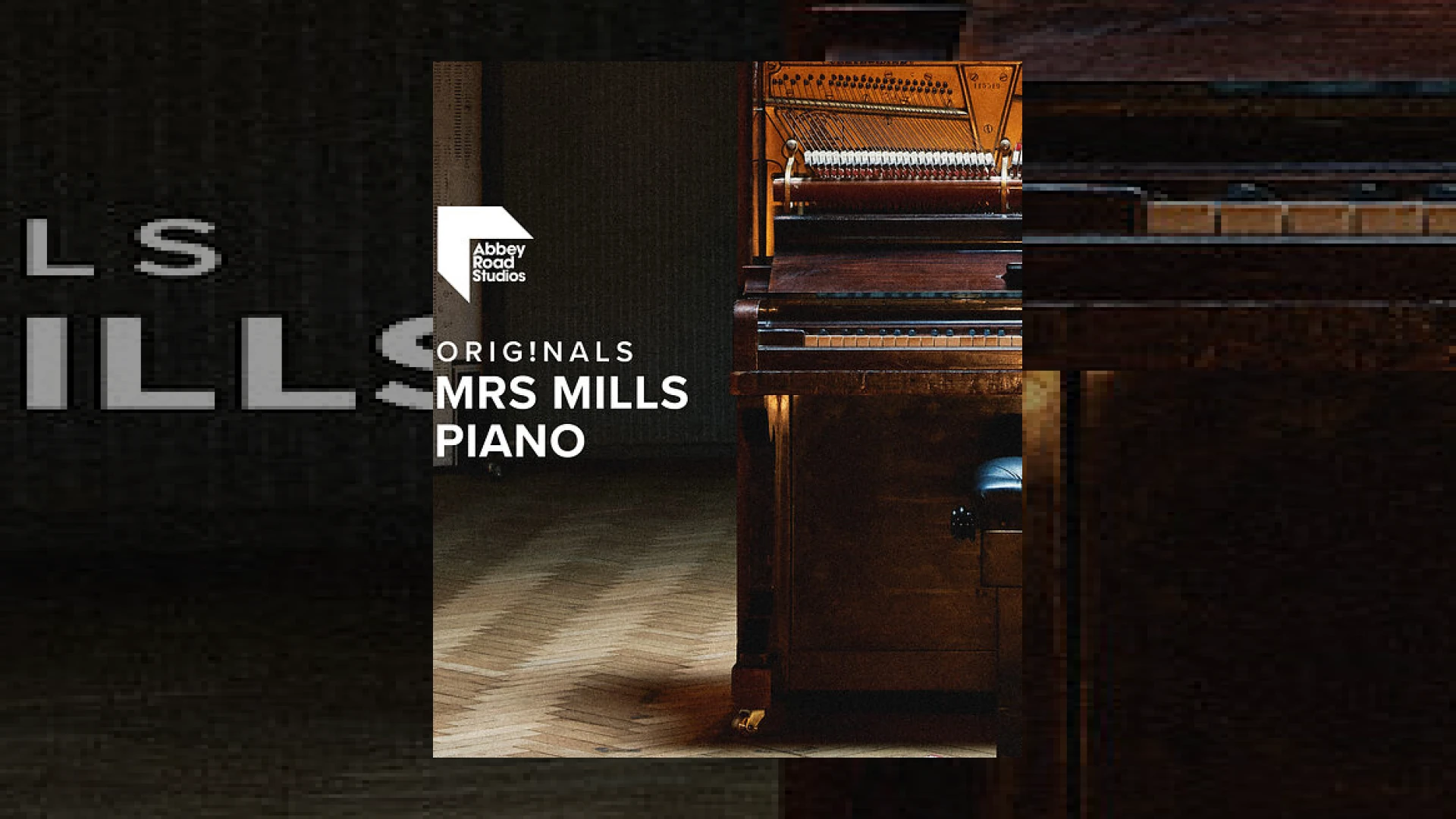
Visual context for Spitfire Originals: Mrs Mills Piano.
At SM Mastering, we often encounter mixes that require a specific tonal character to cut through dense arrangements without overpowering the low-mid frequencies. One of the most characterful tools available today for achieving this classic, bright, and percussive keyboard texture is the **spitfire originals: mrs mills piano**. This virtual instrument recreation of Abbey Road’s legendary 1905 Steinway Vertegrand upright piano—famous for its use on iconic Beatles tracks like “Penny Lane”—brings an instantly recognizable vintage vibe directly to your digital audio workstation (DAW).
The acoustic legacy of this instrument is rooted in the 1950s work of Abbey Road engineer Stuart Eltham. To emulate the bright, sharp tone of a traditional music-hall “tack piano,” Eltham commissioned modifications where the piano’s hammers were hardened with lacquer. The result is a signature sound that has graced hit records for decades, now preserved in high-fidelity digital form.
Technical Specifications of Spitfire Originals: Mrs Mills Piano
To capture the iconic sound, Spitfire Audio utilized legendary microphones and vintage signal chains at Abbey Road’s historic Studio Two. The recording setup features three distinct signal paths: Close, Room, and Vintage. The Close signal utilizes a pristine stereo pair of Neumann U67 condenser microphones, capturing the intimate, percussive attack of the hardened hammers. The Room signal captures the natural acoustics of Studio Two using a spaced omni array, adding depth and three-dimensional space.
Lastly, the Vintage signal recreates the authentic 1960s British pop chain: a single AKG D19 microphone suspended over the strings, routed through a REDD.47 valve preamp and captured onto a Studer J37 tape machine. What makes the **spitfire originals: mrs mills piano** stand out is how easily these three signals can be blended to fit modern stereo master sessions.
| Feature | Details |
|---|---|
| Name | Spitfire Originals: Mrs Mills Piano |
| Use Cases | Vintage Pop, Indie Rock, Cinematic Scoring, Character Keys |
| Price | $29 / £29 / €29 |
| Rating | 4.8 / 5 stars |
Integrating Vintage Piano Tones into Modern Production
When integrating **spitfire originals: mrs mills piano** into a modern mix, balance is key. Because the physical instrument’s hammers were hardened with lacquer to emulate a bright, sharp tone, this virtual instrument inherently occupies a higher frequency band than a traditional concert grand. For mastering engineers looking to optimize mixes containing this piano, we recommend checking our guides on the SM Mastering Audio Articles hub to learn how to handle mid-range harmonic build-ups.
By using the vintage signal path in **spitfire originals: mrs mills piano**, you can access a highly saturated tape compression effect that glues the piano into the mix naturally. If the high-end transients feel too aggressive in your final mix, a gentle dynamic EQ or a high-frequency limiter can control the “tack” without losing the historical charm of the instrument.
Practical Studio Workflow Tips
- Control the Transients: Because of the lacquered hammers, the attack transient can be quite sharp. Use a fast-acting compressor or transient designer to soften the front of the notes if they clash with your acoustic drums.
- Leverage the Built-In Reverb: The library includes six custom effects, including a stunning emulation of Abbey Road’s classic EMT plate reverb. Using this built-in plate reverb helps keep the instrument in its native spatial environment.
- Mono Compatibility: The “Vintage” AKG D19 signal path is incredibly robust in mono. If you are producing music for clubs or mobile devices, blending a high percentage of the Vintage signal ensures the piano doesn’t disappear in mono playback.
We highly recommend trying **spitfire originals: mrs mills piano** if you need a keyboard instrument that instantly carves out its own space in an acoustic, indie, or vintage-rock arrangement without requiring heavy EQ processing.
Conclusion
The Spitfire Originals series succeeds in bringing highly curated, historic sound libraries to producers at an accessible price point. This virtual instrument delivers a piece of music history with pristine audio fidelity, characterful controls, and a straightforward interface that fits perfectly into any modern studio workflow.
Frequently Asked Questions
What makes the Mrs Mills Piano sound so unique?
The distinctive bright, percussive sound comes from modifications made in the 1950s by Abbey Road engineer Stuart Eltham, who hardened the piano’s hammers with lacquer to emulate the sharp tone of a traditional music-hall tack piano.
What microphone signals are included in this library?
The library features three main signals: Close (Neumann U67 stereo pair), Room (spaced omni array), and Vintage (an AKG D19 microphone recorded through a REDD.47 preamp and a Studer J37 valve tape machine).
Can this piano be used for contemporary music genres?
Absolutely. While it has deep roots in vintage 1960s pop, its sharp, transient-rich character makes it excellent for modern indie rock, quirky pop arrangements, and cinematic scores that require a distinct, nostalgic keyboard texture.
🛒 Official Product Info & Where to Buy
Check full technical specs, pricing, and purchase options directly from the official manufacturer or authorized dealer for Spitfire Originals: Mrs Mills Piano.

Written by SM Mastering
Official content on sound engineering, mixing, mastering, and advanced electronic production by SM Mastering.