As mastering engineers at SM Mastering, we are constantly analyzing how raw sound sources evolve before they ever reach our high-end analog processing chain. Superbooth has established itself as the ultimate global epicenter for electronic music instruments, modular synthesis, and boutique hardware innovations. At SM Mastering, we closely monitor these developments, which is why we have compiled this deep-dive analysis of the superbooth 2019 show highlights to evaluate their impact on high-end signal processing and modern hybrid workflows.
The year 2019 marked a pivotal shift in instrument design, where the boundaries between boutique analog circuitry and sophisticated digital control became practically non-existent. For studio professionals, this meant access to richer harmonics, broader stereo fields, and unprecedented modulation capabilities. To understand how these innovations translate to a polished final master, you can explore our comprehensive guides on the SM Mastering Audio Articles portal.
The Technical Core of the Superbooth 2019 Show Highlights
Looking back at the superbooth 2019 show highlights, the integration of analog warmth with digital control was a defining theme. Manufacturers did not simply rehash vintage designs; instead, they pushed the envelope with hybrid architectures that demand precise dynamics management in post-production. For instance, the introduction of binaural synthesis pathways challenged traditional panning paradigms, requiring mastering engineers to pay closer attention to phase correlation and low-frequency mono compatibility.
Many of the innovations featured in the superbooth 2019 show highlights have now found permanent homes in professional mastering chains and hybrid production studios. Synthesizers like the UDO Super 6 introduced custom FPGA-generated oscillators running through analog filters, producing a massive stereo image that interacts beautifully with high-end outboard limiters and stereo-widening processors. Managing these complex stereo fields requires a deep understanding of Mid-Side processing to ensure that the wide, lush synthetic textures do not wash out the center channel of a mix.
Comparative Hardware Specifications
The following table outlines the key hardware instruments and modular gear that emerged as the most influential tools during the exhibition, detailing their primary studio uses, estimated launch pricing, and performance ratings from a professional engineering perspective.
| Name | Use | Price (USD) | Rating |
|---|---|---|---|
| UDO Audio Super 6 | Binaural Analog-Hybrid Synthesizer | $2,999 | 4.9 / 5.0 |
| Novation Summit | Flagship Polyphonic Synthesizer | $2,200 | 4.8 / 5.0 |
| Erica Synths Techno System | All-in-One Modular Drum/Synth Eurorack | $4,200 | 4.7 / 5.0 |
| Dreadbox Nyx V2 | Duo-Phonic Analog Synthesizer & Reverb | $599 | 4.5 / 5.0 |
Practical Studio Workflow Tips
Integrating the aggressive, harmonically rich signals generated by these hardware instruments requires careful preparation before mastering. Below are essential workflow strategies to ensure your synth-heavy mixes translate perfectly across all playback systems:
- Manage the Low End: Sub-bass frequencies from analog-hybrid synths can easily clutter your headroom. Use a high-pass filter sidechain on your master bus or utilize tools from developers like Ableton to split low frequencies into mono below 120Hz.
- Control Dynamic Spikes: Analog filters sweeping in real-time can generate unpredictable resonance peaks. Apply a transparent dynamic EQ to target narrow frequency bands (usually between 2 kHz and 4 kHz) without destroying the overall energy of the performance.
- Phase Alignment: Complex stereo modules can introduce subtle phase cancellations. Always monitor your mixes in mono periodically to ensure that the wide spatial effects do not disappear on smaller mono playback systems.
Applying these superbooth 2019 show highlights to your daily workflow means thinking outside the traditional digital audio workstation (DAW) environment. Embracing tactile, hands-on hardware synthesis encourages organic automation and micro-tonal variations that software instruments often struggle to replicate organically.
Conclusion
In summary, our review of the superbooth 2019 show highlights reminds us that innovation in music technology directly influences master-bus processing. As instruments become more powerful, expressive, and stereo-dynamic, our mastering techniques must adapt to handle these complex waveforms. By combining meticulous tracking habits with advanced spectral control, you can harness the raw power of these magnificent instruments while maintaining a highly polished, commercially competitive master.
Frequently Asked Questions
What is binaural synthesis and how does it affect mastering?
Binaural synthesis, as popularized by hardware like the UDO Super 6, splits a single synthesizer patch into two complete synthesizer voices, panning them hard left and right. This creates an incredibly wide and immersive stereo image. During mastering, engineers must monitor this closely using correlation meters to ensure that no phase cancellation occurs when the signal is summed to mono.
Why are hybrid analog-digital synthesizers becoming the industry standard?
Hybrid synthesizers utilize digital oscillators (such as FPGA chips) for pristine, highly stable wave generation, which are then routed through physical analog filters and VCAs. This architecture offers the best of both worlds: the extreme flexibility, tuning stability, and complex modulation of digital systems, combined with the warm harmonic saturation and smooth frequency rolloff of genuine analog circuitry.
How should I prepare a modular synth mixdown for professional mastering?
Ensure you leave at least -6dB of headroom on your master fader. Modular synths have incredibly fast transients and wide dynamic ranges that can easily clip digital converters. Avoid putting heavy compression on your master output bus during tracking; instead, use individual track compression to control runaway peaks and preserve the natural dynamics for the mastering engineer.
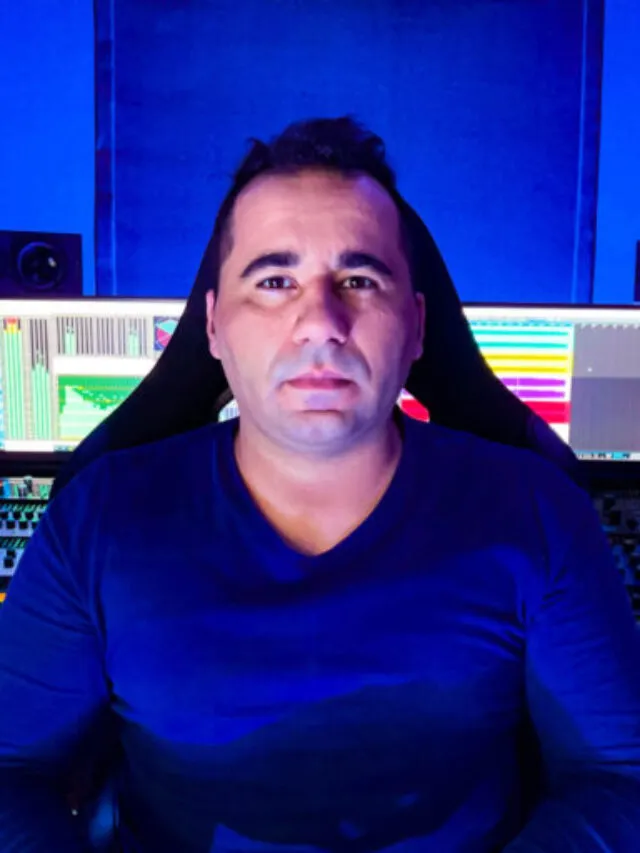
Written by SM Mastering
Official content on sound engineering, mixing, mastering, and advanced electronic production by SM Mastering.