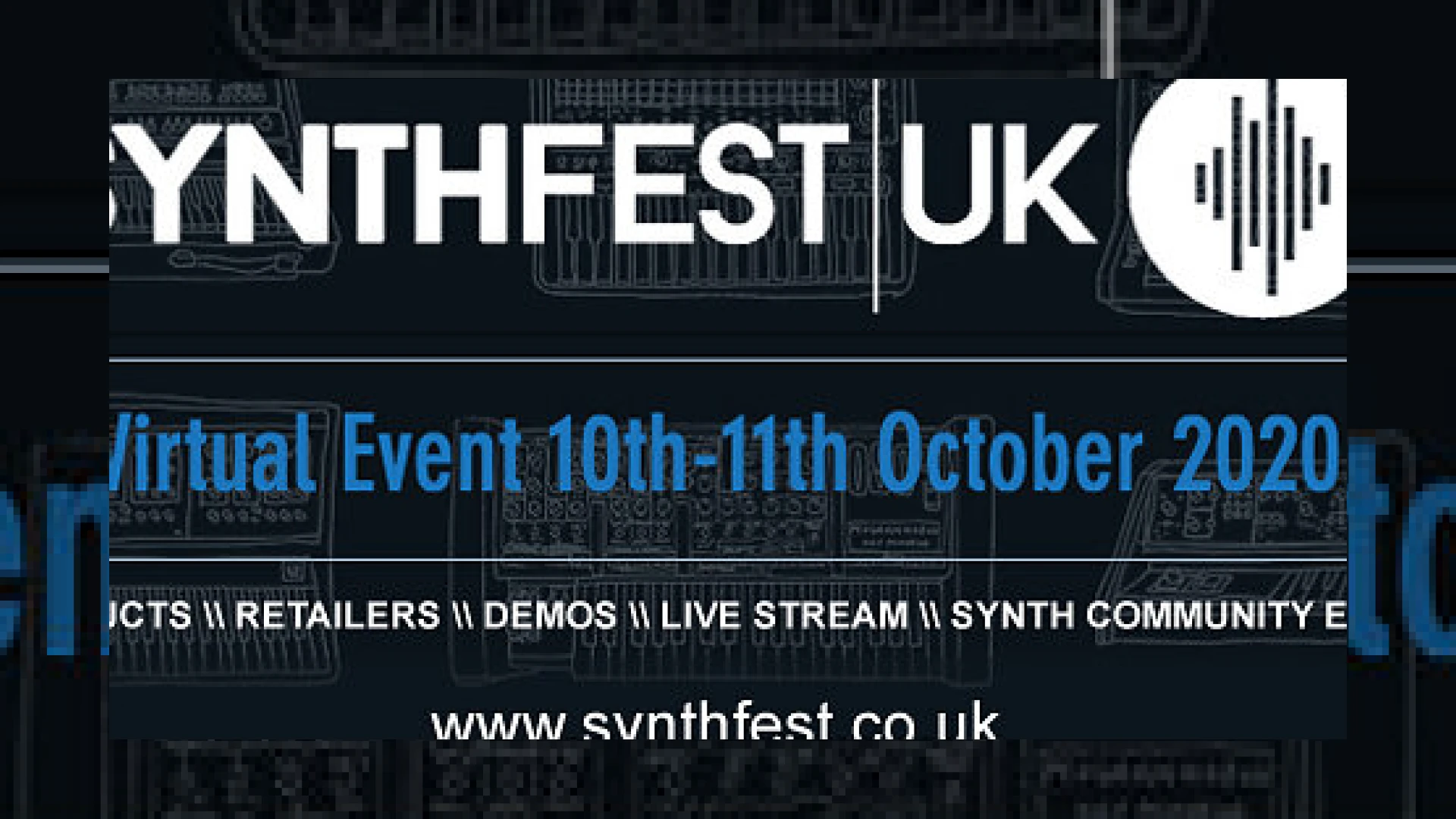
Visual context for SynthFest UK 2020 – Virtual Event.
As mastering engineers at SM Mastering, we closely monitor how industry gatherings evolve, which is why the transition of the physical exhibition to the synthfest uk 2020 – virtual event represented a pivotal moment for the electronic music production community. When global circumstances halted physical trade shows, the organizers of SynthFest UK—in partnership with Sound On Sound and the Sheffield Sensoria Festival—pivoted brilliantly to a digital framework. By extending the schedule across the entire weekend of October 10th and 11th, 2020, they created a highly accessible showcase that connected synthesizer designers, retailers, and musicians worldwide. For audio professionals, analyzing the sonic advancements showcased during this virtual exhibition offers critical insights into modern synthesis, frequency management, and signal flow.
Technical Highlights of the SynthFest UK 2020 – Virtual Event
During the synthfest uk 2020 – virtual event, manufacturers shifted from physical booths to highly detailed digital showcases and interactive video demonstrations. This format allowed engineers to hear new instruments directly through their studio monitors without the acoustic interference of a noisy convention hall. The virtual portal served as a centralized hub, directing users to manufacturer product pages, retailer discount zones, and exclusive YouTube live streams.
A massive highlight of the weekend was the 8-hour live stream hosted by Jamie Morden on Saturday. This stream featured artist interviews, modular synth demonstrations, and technical deep-dives into patch architecture. For mastering engineers, observing these live demonstrations provided valuable data on the raw transient response of modern analog hardware and digital modeling plugins. Preparing these high-energy synthesizer tracks for final distribution often requires advanced dynamic control, which is why we regularly publish guides on peak management in our SM Mastering Audio Articles.
Event Overview and Digital Features
The virtual environment was structured as a “self-service” portal, giving attendees the freedom to explore different sectors of the synthesiser ecosystem at their own pace. Below is an overview of the key components that made up the online event infrastructure:
| Component Name | Primary Use | Price | Rating |
|---|---|---|---|
| SFUK Virtual Portal | Central hub for manufacturer links and product launches | Free | 4.8 / 5.0 |
| YouTube Live Stream | 8-hour broadcast featuring interviews and masterclasses | Free | 4.7 / 5.0 |
| Retailer Special Offers | Exclusive weekend discounts on hardware and software synths | Variable | 4.5 / 5.0 |
| Community Fringe Events | User-submitted tutorials, performances, and community chat | Free | 4.6 / 5.0 |
Evaluating synthesized sounds demonstrated during the synthfest uk 2020 – virtual event allows us to appreciate how modern digital and analog oscillators are pushing the boundaries of dynamic range. To ensure these wide-bandwidth electronic sounds translate correctly to consumer playback systems, processing these raw synth waveforms using industry-standard tools from companies like iZotope can help achieve the necessary spectral balance before the mastering phase.
Practical Studio Workflow Tips for Synthesizer Production
Working with heavy hardware and software synthesizers requires a strategic approach to tracking and mixing. Based on the innovations discussed during the virtual panels, here are three essential workflow tips for your studio:
- Control Low-End Build-up: Analog synthesizers often generate extreme sub-bass frequencies that can overwhelm your headroom. Use a high-pass filter (HPF) on non-bass synth tracks, cutting everything below 80Hz to 100Hz to leave clean space for your kick drum and primary basslines.
- Preserve Transients in Modular Patches: Highly modulated FM or physical modeling patches can produce rapid, unpredictable transients. Instead of aggressively limiting these sounds during recording, use fast-acting VCA compression with a moderate ratio (2:1 or 4:1) and a slow attack to retain the punch without clipping your converters.
- Utilize Stereo Widening Wisely: Many modern digital synths come with built-in chorus or unison effects that widen the sound. However, this can introduce severe phase cancellation when summed to mono. Always check your master output in mono to ensure your leads and basslines do not disappear due to phase issues.
Conclusion
The synthfest uk 2020 – virtual event successfully demonstrated that the electronic music community can remain deeply connected, collaborative, and innovative even under restrictive global conditions. By leveraging digital streams, community-driven fringe events, and direct-to-consumer manufacturer portals, the event provided a wealth of knowledge and inspiration. For music producers and mastering engineers alike, the sonic advancements highlighted during this weekend continue to shape the textures of modern electronic music, reinforcing the need for precise, professional mastering to bring these complex synthesised landscapes to life.
Frequently Asked Questions
What was the SynthFest UK 2020 – Virtual Event?
It was a fully digital adaptation of the annual SynthFest UK exhibition, organized by Sound On Sound and the Sensoria Festival. Held across October 10th and 11th, 2020, it replaced the physical Sheffield event with a virtual portal featuring manufacturer showcases, exclusive retailer discounts, live stream presentations, and community-driven tutorials.
How did the online format benefit synthesizer enthusiasts?
The virtual format allowed global access to product demonstrations, masterclasses, and artist interviews without geographical barriers. Attendees could listen to clean audio demonstrations directly through their studio monitors, avoiding the typical acoustic noise challenges associated with busy physical trade show floors.
Why is control over synthesizer transients important for mastering?
Many modern synthesizers, especially modular setups and FM synths, produce highly dynamic and unpredictable peak levels. Controlling these transients during the mixing phase using subtle compression and careful dynamic EQ prevents clipping, preserves headroom, and allows the mastering engineer to achieve a louder, clearer, and more balanced final master.

Written by SM Mastering
Official content on sound engineering, mixing, mastering, and advanced electronic production by SM Mastering.