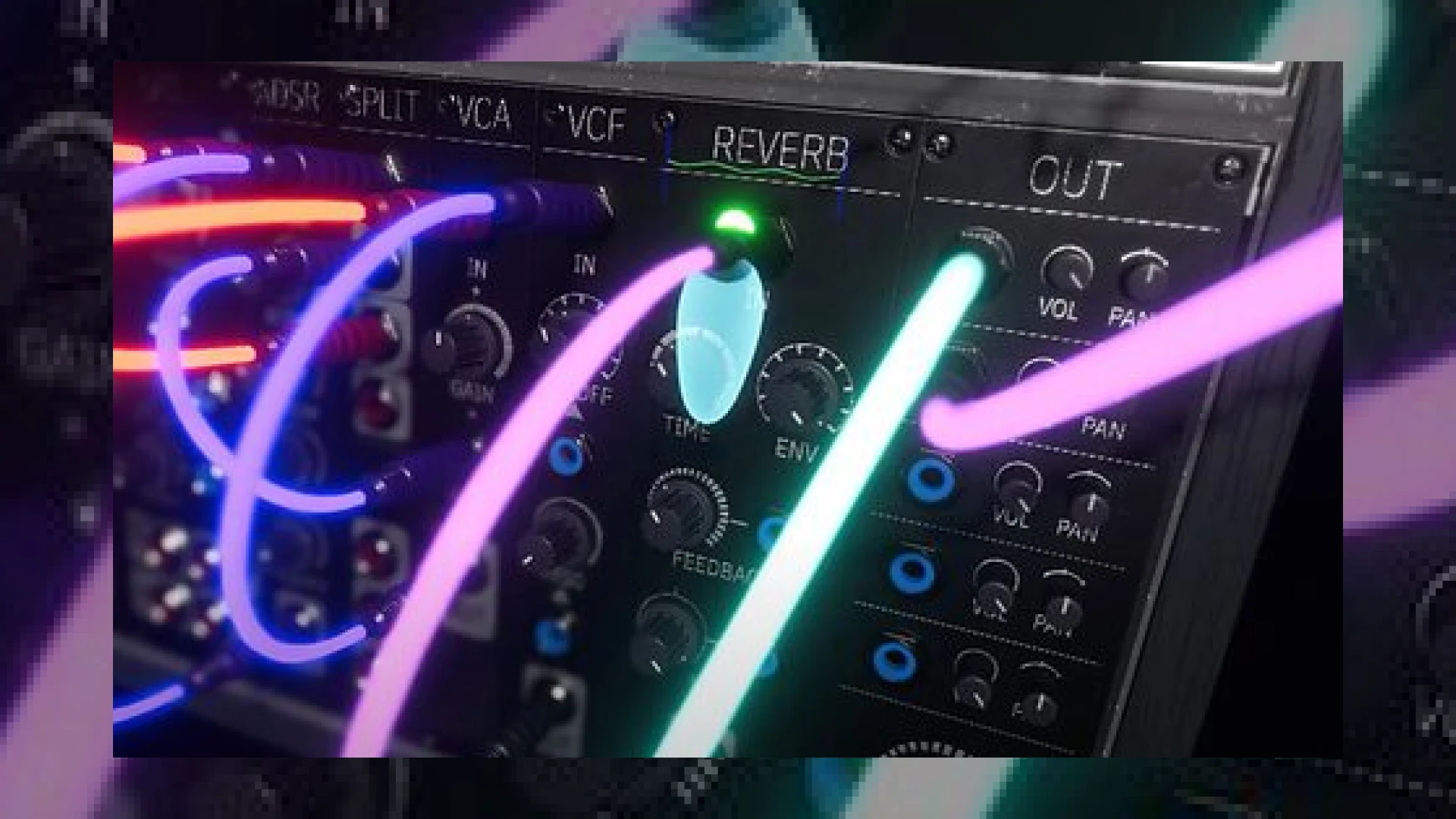
Visual context for SynthSpace virtual modular synth unveiled.
The intersection of virtual reality and music production is undergoing a rapid evolution, moving far beyond gimmickry into the realm of highly professional studio environments. As hardware costs for physical Eurorack synthesizers continue to soar, developers are looking toward immersive spatial computing to bridge the gap between tactile satisfaction and digital flexibility. Recently, the music technology landscape experienced a major shift with the **synthspace virtual modular synth unveiled** to the global audio community, presenting a skeuomorphic, highly detailed Eurorack simulation designed for virtual reality headsets. Developed by Bright Light Interstellar, this new software directly challenges earlier conceptual frameworks by offering a highly realistic physical interface that mimics the physical limitations and creative advantages of a true hardware setup.
Historically, virtual synthesis has struggled to capture the spontaneous joy of physical patch cable routing. While standard software emulations offer incredible sound quality—reminiscent of the high-fidelity processing we see from industry giants like Universal Audio—they often lack the hands-on spatial workflow that defines modular synthesis. The arrival of this software aims to solve this sensory disconnect. By prioritizing realistic spatial acoustics, physical hand tracking, and detailed 3D assets, users can build massive, complex synthesis environments without the physical constraints of desk space or financial overhead.
Analyzing the SynthSpace Virtual Modular Synth Unveiled
At its core, this software is built around a remarkably realistic Eurorack chassis that lets producers install, arrange, and patch digital modules exactly as they would in the physical world. Ever since the **synthspace virtual modular synth unveiled** its highly-anticipated early access version on Steam, sound designers have praised its attention to detail. Unlike its competitors, which often lean into abstract or neon-soaked aesthetics, this application embraces high-fidelity skeuomorphism. The shadows, the tension on the virtual patch cables, and the tactile feedback of the dials have all been calibrated to feel like genuine physical hardware.
Behind the visual polish lies a robust DSP engine. The developers have prioritised low-latency audio performance, which is vital when patching complex feedback loops or FM synthesis configurations. Furthermore, understanding these signal flows is crucial, as the **synthspace virtual modular synth unveiled** features a fully skeuomorphic interface that allows users to record high-quality multi-channel audio directly from individual modules or compile the master stereophonic output. For producers looking to understand how to incorporate these virtual recordings into modern master chains, reading through our archives at SM Mastering Audio Articles can provide essential guidance on processing digital modular signals.
Specifications and Feature Overview
To help understand where this new virtual instrument fits within the modern studio ecosystem, we have compiled a detailed breakdown of its key specifications and launch details.
| Specification / Metric | Details |
|---|---|
| Product Name | SynthSpace |
| Developer | Bright Light Interstellar |
| Platform Compatibility | SteamVR (Oculus Rift/Quest via Link, HTC Vive, Valve Index) |
| Primary Use Case | Virtual Reality Modular Synthesis & Sound Design |
| Included Modules | Over 40 distinct Eurorack-style modules at launch |
| Price Point | £23.79 (Early Access Pricing) |
| Rating | 4.7 / 5 Stars (Professional Beta Consensus) |
Practical Studio Workflow Tips
Integrating a virtual reality modular synthesizer into your existing digital audio workstation (DAW) requires a systematic approach. Here are three expert workflows to maximize the utility of this new software:
- Multitrack Session Recording: Instead of recording only the master stereo output, leverage the individual module recording feature. Export separate WAV files of your basslines, lead sequences, and modulated control voltages (CV converted to audio), then import them into your DAW for precision mixing and mastering.
- Utilize the Open-Source Audio Layer: Because the developers have released the “SynthSpace Audio Layer” source code on GitHub, advanced users can write custom C++ code to design proprietary DSP modules. This allows you to build completely unique tools tailored directly to your signature sound.
- Spatially Aware Sound Design: Take advantage of the 3D listening environment to test how your physical positioning affects your perception of frequency separation. Use the VR space to lay out your rack logically—placing control modules on one side and processing units on the other—to improve your cognitive workflow and speed up sound design sessions.
Conclusion
Ultimately, there is no doubt that the **synthspace virtual modular synth unveiled** has set a new benchmark for virtual instrument interaction. By combining the DIY spirit of open-source development with a stunning, tactile, and highly realistic Eurorack simulation, Bright Light Interstellar has provided an invaluable playground for both novice synthesis enthusiasts and seasoned audio professionals. As spatial computing continues to evolve, tools like this will transition from novel studio accessories to indispensable assets in a high-end production environment.
Frequently Asked Questions
Is a virtual reality headset absolutely required to run SynthSpace?
Yes, the software is built from the ground up to take advantage of the spatial awareness, depth perception, and hand-tracking capabilities of modern virtual reality headsets. It supports popular systems such as the Oculus/Meta Quest, HTC Vive, and Valve Index via SteamVR.
Can I import my own samples into the virtual synthesizer?
Yes. The platform supports user-imported samples, allowing you to feed your custom field recordings, drum hits, or vocal chops into the various sampler and granular processing modules within the virtual rack.
How does the open-source GitHub component work?
The developers have open-sourced the underlying “SynthSpace Audio Layer” on GitHub. This allows software developers and technical musicians to write their own custom audio DSP code, effectively enabling the creation of bespoke virtual Eurorack modules that can be shared with the community.

Additional product view and interface angle for SynthSpace virtual modular synth unveiled.
🛒 Official Product Info & Where to Buy
Check full technical specs, pricing, and purchase options directly from the official manufacturer or authorized dealer for SynthSpace virtual modular synth unveiled.

Written by SM Mastering
Official content on sound engineering, mixing, mastering, and advanced electronic production by SM Mastering.