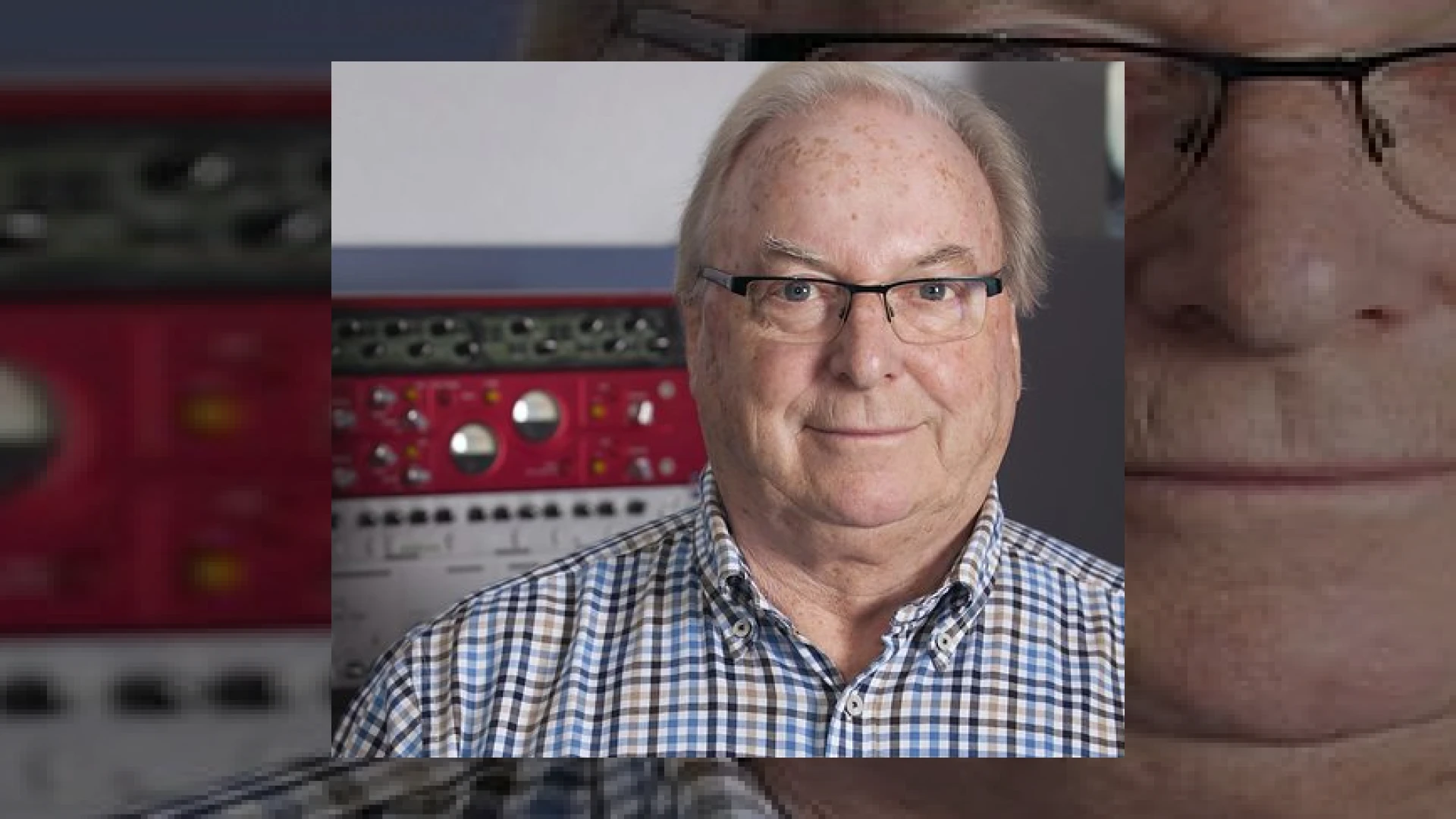
Visual context for The Man Behind The Brand: Phil Dudderidge of Focusrite.
In the professional audio industry, certain figures have transformed how we capture, mix, and master music. Today, we delve deep into the history of one such pioneer, exploring the remarkable journey of the man behind the brand: phil dudderidge of focusrite. From his early days managing live sound for legendary acts like Led Zeppelin to his acquisition and subsequent revitalization of Focusrite, his impact on modern recording technology remains immeasurable. This technical analysis explores how his legacy continues to shape the modern production landscape.
The Early Years and Live Sound Innovation
Long before Focusrite became a household name in home and professional studios, Phil Dudderidge was working on the front lines of live sound engineering. In the late 1960s and early 1970s, touring PA systems were in their infancy. Dudderidge co-founded RSD Systems, which later evolved into Soundcraft, a company that revolutionized the portability and reliability of live sound mixing consoles. This deep, practical understanding of signal flow, road-hardened reliability, and analog preamplification laid the groundwork for his future endeavors.
While industry giants like Neumann perfected the art of the studio microphone, Dudderidge focused on the vital link that followed: the preamplifier and console channel strip. His engineering philosophy has always centered on preserving the pristine transients and frequency response of high-quality microphones before the signal hits the tape machine or digital audio workstation (DAW).
The Legacy of The Man Behind The Brand: Phil Dudderidge of Focusrite
In 1989, Phil Dudderidge acquired the assets of Focusrite, a boutique console manufacturer founded by the legendary Rupert Neve. At the time, the company was financially struggling despite having designed some of the most critically acclaimed outboard gear in history, including the ISA 110 input module. When analyzing the evolution of modern audio interfaces, we must look at the vision of the man behind the brand: phil dudderidge of focusrite. He recognized that the future of recording lay in modular outboard gear and, eventually, digital integration.
Under his leadership, Focusrite transitioned from building ultra-expensive, large-format consoles to creating premium outboard gear that could be integrated into any studio setup. This democratization of high-end analog sound culminated in the development of the Red Range and the classic ISA Series, which remain staples in world-class mastering and tracking rooms today. For more insights into how these classic preamps affect the mastering process, check out our collection of SM Mastering Audio Articles.
The Transition to Digital and Global Dominance
As the digital revolution took hold in the late 1990s and early 2000s, Dudderidge made another pivotal decision: partnering with Digidesign to develop the original MBox. This move bridged the gap between high-end analog circuitry and digital audio workstations. By steering Focusrite into the USB and Thunderbolt audio interface market, he paved the way for the Scarlett, Clarett, and RedNet series, making pristine conversion accessible to millions of bedroom producers and professional facilities alike.
Key Focusrite Hardware Specifications
Below is a comparative overview of some of the legendary hardware designed and distributed during Phil Dudderidge’s era and beyond:
| Product Name | Primary Use | Estimated Price | Industry Rating |
|---|---|---|---|
| Focusrite ISA One | Transformer-based Mic Preamp | $649.00 | 4.8 / 5.0 |
| Scarlett 2i2 (4th Gen) | USB-C Audio Interface | $199.00 | 4.7 / 5.0 |
| Clarett+ 8Pre | Studio Audio Interface & Preamp | $999.00 | 4.6 / 5.0 |
| ISA 428 MkII | Multi-channel Mic Preamp | $2,199.00 | 4.9 / 5.0 |
Practical Studio Workflow Tips Using Focusrite Hardware
To get the most out of your Focusrite gear, whether legacy analog units or modern digital interfaces, consider these technical workflow optimization tips:
- Leverage the ISA Impedance Options: The ISA series features selectable input impedance. Lowering the impedance can drastically alter the frequency response of dynamic and ribbon microphones, offering a darker, more vintage tone, while higher settings yield pristine clarity.
- Proper Gain Staging with ‘Air’ Mode: When using Scarlett or Clarett interfaces, engaging the “Air” mode emulates the transformer resonance of the classic ISA 110. To avoid digital clipping, gain stage so your transient peaks sit around -12 to -18 dBFS within your DAW.
- Utilize Focusrite Control for Zero-Latency Monitoring: Route custom headphone mixes directly within the Focusrite Control software rather than your DAW to bypass buffer-size latency during critical vocal or instrumental tracking sessions.
Applying these techniques in your studio highlights why the workflow established by the man behind the brand: phil dudderidge of focusrite remains an industry standard for engineers worldwide.
Conclusion
From the sweaty rock venues of the 1970s to the clean, digital workspaces of modern mastering studios, Phil Dudderidge has consistently anticipated the needs of music creators. Ultimately, the story of the man behind the brand: phil dudderidge of focusrite is one of resilience, technological foresight, and an unwavering commitment to sonic excellence. By blending legendary Rupert Neve analog designs with cutting-edge digital integration, his legacy continues to inspire the records we master today.
Frequently Asked Questions
What is Phil Dudderidge’s background in the music industry?
Phil Dudderidge began his career as a live sound engineer, famously working with bands like Led Zeppelin. He co-founded Soundcraft in 1973, revolutionizing the live mixing console industry, before acquiring and rebuilding Focusrite in 1989.
How did Focusrite evolve under Phil Dudderidge’s leadership?
Under his guidance, Focusrite transitioned from building massive, custom analog consoles to developing modular outboard gear, high-end preamps, and eventually becoming a global leader in computer audio interfaces like the Scarlett series.
What is the significance of the Focusrite ISA series?
The ISA (Input Signal Amplifier) series originally featured transformer-based preamp designs commissioned by Sir George Martin and designed by Rupert Neve. Phil Dudderidge preserved this analog legacy, making it available as standalone outboard gear that is still widely used in tracking and mastering today.
Written by SM Mastering
Official content on sound engineering, mixing, mastering, and advanced electronic production by SM Mastering.