Visual context for The Minimoog Model D returns.
Few announcements in the history of electronic music generate as much excitement as the news that the minimoog model d returns to active production. Originally introduced over five decades ago, this iconic monophonic synthesizer defined the landscape of modern sound design, shaping genres from progressive rock to early hip-hop and techno. As audio engineers and producers at SM Mastering, we understand that hardware of this caliber demands respect, both in the tracking room and during the final mixdown stage. Re-evaluating this legendary instrument allows us to appreciate how analog warmth integrates into contemporary DAW-based workflows.
Why the Minimoog Model D Returns to the Spotlight
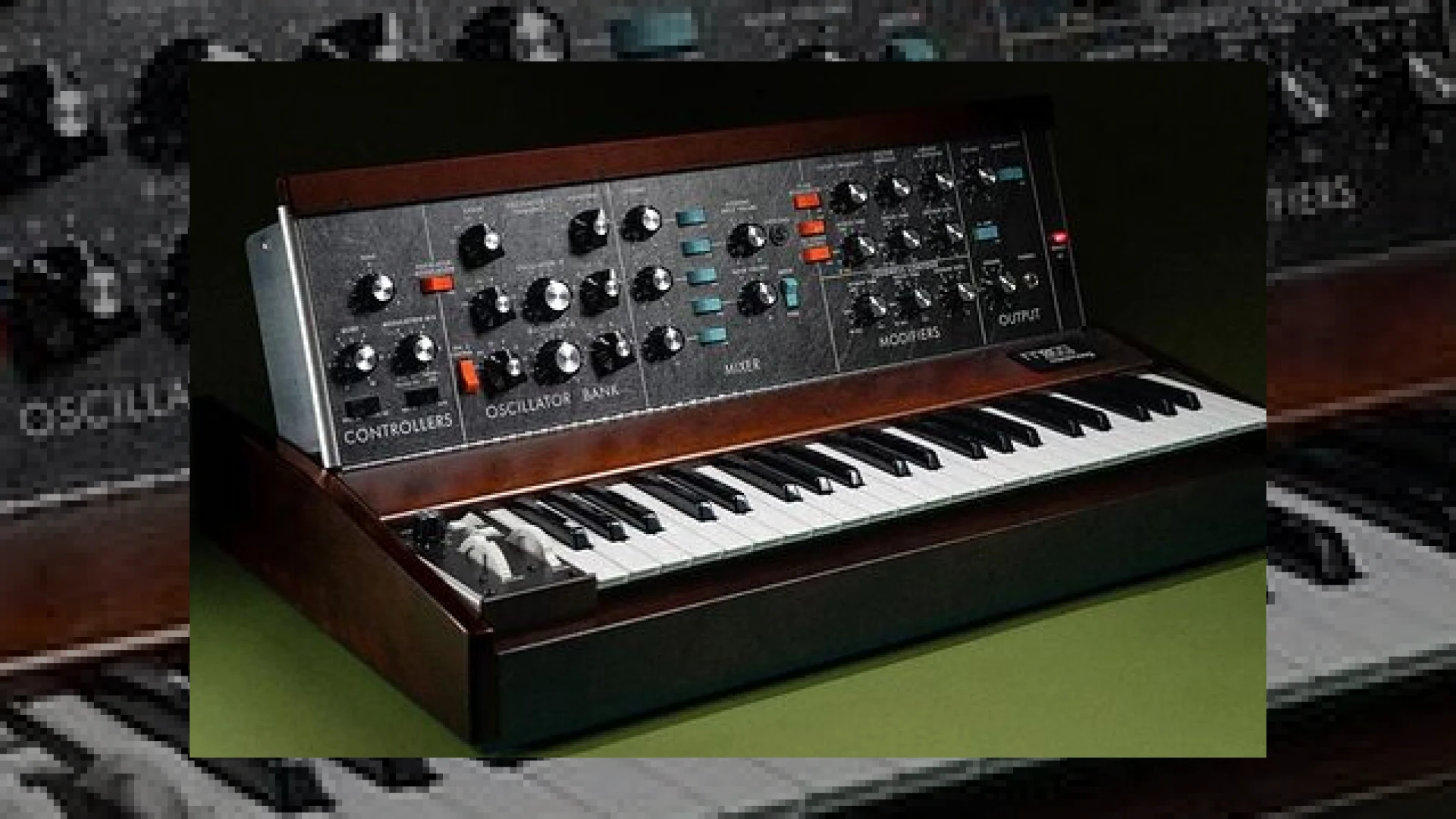
The significance of this hardware revival cannot be overstated. When the minimoog model d returns to the manufacturing line, it brings with it the exact component placement, through-hole circuit design, and iconic three-oscillator architecture engineered by Bob Moog in the 1970s. This uncompromising approach ensures that the saturated mixer and legendary low-pass ladder filter behave with the exact non-linear harmonic distortion that defined classic recordings. Modern engineers often rely on precision tools like those found at iZotope for surgical cleanup, but the raw, unadulterated power generated when the minimoog model d returns to a session provides an organic richness that digital emulation alone struggles to replicate entirely.
Beyond its traditional sonic footprint, the minimoog model d returns with thoughtful modern revisions incorporated from its 2016 limited run. These include a spring-loaded pitch wheel with center dead zone, a dedicated LFO with triangle and square waveshapes, and CV routing capabilities via top-panel jacks. These additions expand the modulation potential dramatically, making it a versatile centerpiece for both live performers and studio producers. For deeper insights into integrating analog gear into your signal chain, be sure to explore our comprehensive guides at SM Mastering Audio Articles.

Additional product view and interface angle for The Minimoog Model D returns.
Specifications Overview
Here is a technical breakdown of the hardware specifications for this legendary monosynth:
| Name | Use | Price | Rating |
|---|---|---|---|
| Minimoog Model D | Analog Monophonic Synthesizer | $4,999 USD | 4.9 / 5.0 |
Practical Studio Workflow Tips
When tracking this synthesizer in a professional studio environment, consider the following workflow practices to capture its full sonic glory:

Additional product view and interface angle for The Minimoog Model D returns.
- Gain Staging the Mixer: Push the overdrive section of the ladder filter carefully. The saturating mixer responds dynamically to input levels, allowing you to dial in everything from pristine analog warmth to aggressive fuzz.
- Utilizing CV Integration: Use the top-panel CV jacks to patch external modular gear or control voltages into the filter cutoff, expanding the expressive capabilities during a performance pass.
- DI and Preamp Matching: Run the audio output through a high-end hardware DI box or a colored tube preamp to add an extra layer of harmonic saturation before hitting your audio interface converters.
Conclusion
The revival of this landmark instrument proves that timeless engineering never goes out of style. Whether you are scoring films, producing electronic music, or adding analog depth to pop arrangements, knowing that the minimoog model d returns gives creators access to an unmatched sonic palette. It bridges the gap between vintage analog soul and modern functional convenience.
Frequently Asked Questions
1. Does the new Model D feature MIDI connectivity?
Yes, modern production units include integrated MIDI In, Out, and Thru DIN jacks, alongside USB MIDI support, allowing seamless integration with modern hardware and software sequencing setups.
2. Are the oscillators identical to the 1970s original?
Absolutely. The audio signal path, three-oscillator design, and through-hole circuit layouts are identical to the vintage units, preserving the authentic warmth and drift of the original hardware.
3. What modern additions were made to the control panel?
The updated design incorporates a dedicated LFO (with triangle and square waveshapes), filter feedback modifications, velocity and aftertouch outputs via top-panel CV jacks, and a spring-loaded pitch wheel.
🛒 Official Product Info & Where to Buy
Check full technical specs, pricing, and purchase options directly from the official manufacturer or authorized dealer for The Minimoog Model D returns.

Written by SM Mastering
Official content on sound engineering, mixing, mastering, and advanced electronic production by SM Mastering.