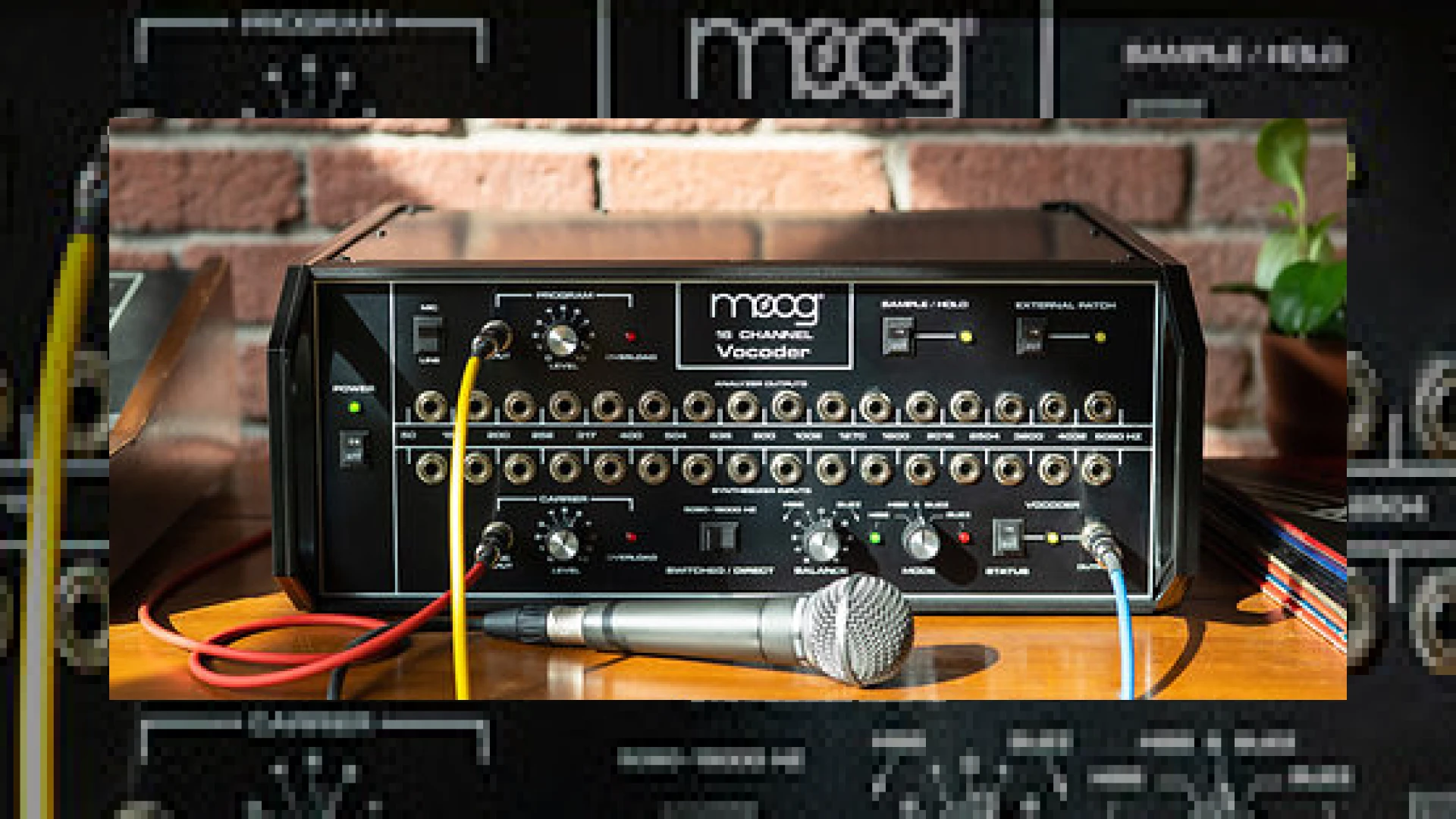
Visual context for The Moog Vocoder is back!.
As mastering and mixing engineers, we are constantly analyzing the tools that shape the sonic landscape of modern music. There is something uniquely magical about the warm, organic grit of classic analog gear. In a digital age dominated by clean software synthesizers and pristine digital audio workstations, the industry has been yearning for the tactile response of vintage hardware. Today, that yearning meets its match with the exciting news that the moog vocoder is back! to grace modern control rooms and high-end studios once again.
Originally introduced in 1978, this legendary instrument is not just a simple synthesizer; it is a powerful spectral processor. It works by mapping the tonal characteristics of a modulator signal (usually a human vocal) onto a carrier signal (typically an analog synthesizer). While software emulations from companies like Universal Audio and Ableton attempt to recreate this effect, nothing compares to the physical reality of continuous analog filters working in real-time. It is why so many electronic music producers are thrilled that the moog vocoder is back! in production.
Why the moog vocoder is back! and Why It Matters
The reissue of this classic unit is a faithful recreation of the original 16-band analog architecture. For decades, finding an original 1978 unit in working condition was nearly impossible, often commanding astronomical prices on the vintage market. With this reissue, the moog vocoder is back! with upgraded power routing and modernized gold-plated connectors, ensuring reliable performance in demanding contemporary studio environments without sacrificing the vintage sonic signature.
To help you understand where this unit fits in a modern workflow, here is a quick overview of its core specifications:
| Name | Use | Price | Rating |
|---|---|---|---|
| Moog 16-Channel Vocoder | Analog Spectral Modulation & Vocal Synthesis | $5,000 | 4.9 / 5.0 |
For engineers looking to capture that classic late-70s vibe, knowing the moog vocoder is back! is a massive game-changer. It offers 16 frequency bands spanning from 50 Hz to 5,080 Hz, providing surgical precision over the vocal spectrum. Features like the ‘Direct’ mode bypass the synthesis engine for high frequencies, allowing natural sibilance to pass through, which significantly improves vocal intelligibility.
Practical Studio Workflow Tips
Integrating a high-end analog vocoder into a modern hybrid DAW workflow requires a strategic approach. Here are our top tips from the SM Mastering engineering team:
- Optimize the Carrier: Ensure your carrier signal (usually a rich sawtooth synth patch) has plenty of harmonic content. A simple sine wave will not have enough spectral energy across the 16 bands to sound rich and full.
- Use the Sample & Hold Feature: Use a footswitch or manual toggle to capture a specific vocal articulation. This holds the frequency profile indefinitely, allowing you to play chords on your synth without having to continuously sing into the microphone.
- Manage Sibilance: Utilize the onboard Hiss, Buzz, and Balance controls to fine-tune the high-frequency response. This prevents harsh digital clipping down the mastering chain.
Conclusion
Whether you are producing retro-synthwave, driving techno, or cutting-edge pop, the return of this hardware masterpiece opens up limitless sonic possibilities. To learn more about optimizing your analog mixes for the final master, feel free to explore our expert guides at the SM Mastering Audio Articles portal.
Frequently Asked Questions
What makes the Moog Vocoder reissue different from the 1978 original?
The core analog signal path and 16-band architecture remain completely identical to the original 1978 design. However, Moog has updated the power supply to modern safety standards and utilized high-quality, reliable modern connectors for improved signal integrity in modern studio setups.
Can I use any synthesizer as a carrier with this hardware?
Yes, any synthesizer or sound source with a line-level output can be routed into the carrier input. For the best results, use harmonically rich waveforms like sawtooth or pulse waves, as they provide more spectral content for the vocoder filters to process.
How does the Sample & Hold function work?
The Sample & Hold function freezes the spectral analysis of the modulator (vocal) at the moment of activation. It sustains that specific tonal shape across the carrier signal, allowing you to play sustained chords on a keyboard without needing to constantly speak or sing into the microphone.
🛒 Official Product Info & Where to Buy
Check full technical specs, pricing, and purchase options directly from the official manufacturer or authorized dealer for The Moog Vocoder is back!.

Written by SM Mastering
Official content on sound engineering, mixing, mastering, and advanced electronic production by SM Mastering.