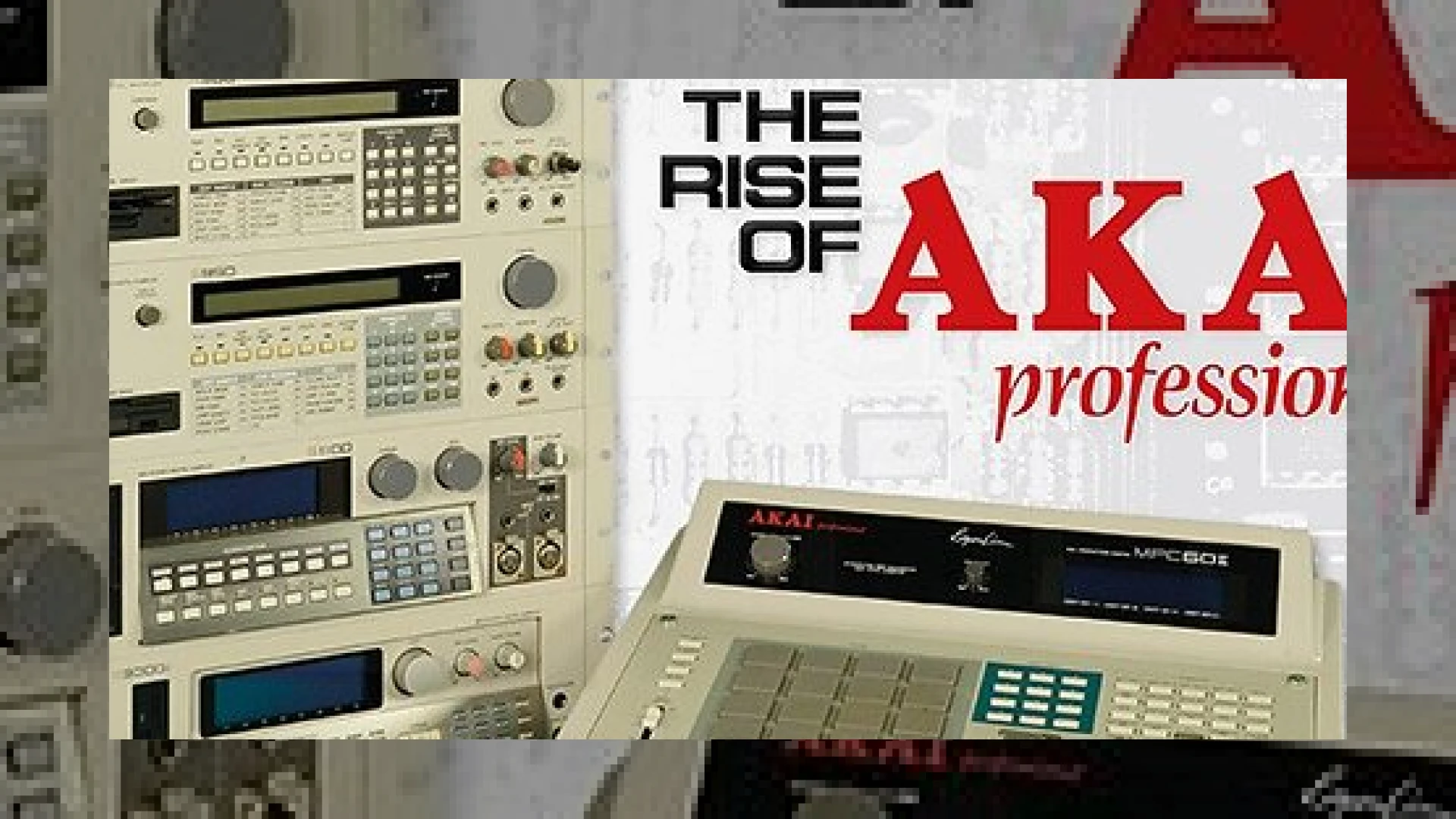
Visual context for The Rise of Akai Professional.
Few brands have shaped modern music production quite like Akai. From underground hip-hop to chart-topping pop, their hardware changed how beats are built, loops are chopped, and samples are manipulated. To understand modern beatmaking, one must look closely at the rise of akai professional, a journey that transformed audio technology forever.
Understanding the Rise of Akai Professional and Sampler History
Founded in 1984, the company quickly shifted from audio tape recorders and consumer electronics to heavy-hitting digital gear. SM Mastering Audio Articles regularly explores how vintage hardware workflows continue to influence modern mixing engineers. When legendary designers like Roger Linn and David Cockerell teamed up with Japanese R&D teams, the industry changed. The introduction of the S-900 sampler and the legendary MPC-60 cemented the rise of akai professional in the annals of music history.
These machines did not just record audio; they provided a tactile interface that felt like an instrument rather than a computer terminal. Producers could sequence MIDI, trigger one-shot drums, and timestretch audio seamlessly. As we examine the rise of akai professional, it becomes clear that hardware ergonomics played just as big a role in their success as internal audio specs and 12-bit crunch.
Iconic Akai Hardware Specifications
To fully appreciate the rise of akai professional, let us look at the specifications of the legendary units that defined an era of music production:
| Name | Use | Price (Vintage Market) | Rating |
|---|---|---|---|
| Akai S-900 | 12-bit Digital Sampler | $500 – $900 | 9.5/10 |
| Akai MPC-60 | MIDI Production Center & Sampler | $2,000 – $4,000 | 10/10 |
| Akai MPC3000 | 16-bit Production Center | $3,000 – $5,500 | 10/10 |
Practical Studio Workflow Tips for Vintage Sampler Emulation
If you want to incorporate the classic warmth and grit associated with the rise of akai professional into your modern DAW workflow, follow these practical steps:
- Downsample Your Audio: Lower your sample rate to 12-bit or 8-bit to recreate the iconic gritty crunch of early S-series samplers.
- Embrace Hardware Swing: Apply classic MPC swing settings to your MIDI drums to give your programmed beats a human, grooving feel.
- Saturate the Inputs: Drive analog preamps gently before hitting your analog-to-digital converters to glue your drum buses together. For top-tier saturation tools, check out software innovations from iZotope.
Conclusion
The legacy of Akai hardware lives on in nearly every digital audio workstation and beatmaking workflow today. By honoring the engineers and designers who pushed boundaries in the 1980s and 90s, we keep the spirit of innovation alive in our own studios. Whether you work purely in-the-box or run audio through vintage gear, understanding this history elevates your craft.
Frequently Asked Questions
What was the first major sampler released by Akai?
The Akai S613 was an early precursor, but the S900, released in 1986, is widely considered the breakthrough sampler that put them on the global map.
Who designed the legendary MPC-60?
The MPC-60 was designed in collaboration with drum machine pioneer Roger Linn, combining his legendary sequencing layout with Akai’s robust digital sampling engine.
Why do producers still seek out vintage Akai samplers?
Producers love the distinct 12-bit analog-to-digital conversion, unique filtering, and tight MIDI timing that gave 80s and 90s hip-hop its signature punch.
🛒 Official Product Info & Where to Buy
Check full technical specs, pricing, and purchase options directly from the official manufacturer or authorized dealer for The Rise of Akai Professional.
Written by SM Mastering
Official content on sound engineering, mixing, mastering, and advanced electronic production by SM Mastering.